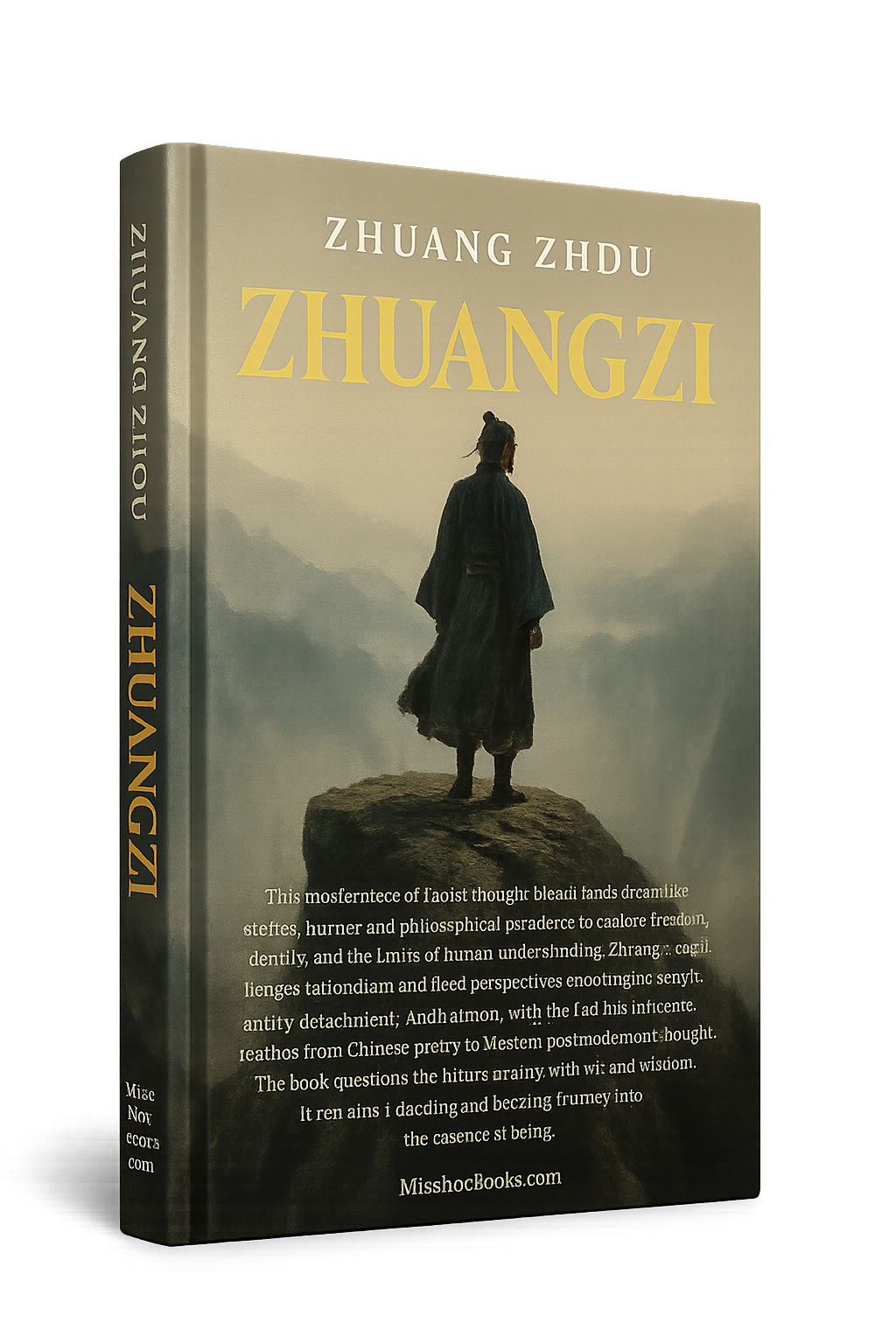
Zhuangzi
In an era where rigid structures dominated philosophical inquiry and societal norms, a groundbreaking work emerged that would forever alter the landscape of thought. This influential text challenged prevailing conventions, liberating the mind to explore the fluidity of existence and the profound complexities of the human experience. With an emphasis on spontaneity and a deep understanding of the impermanence of life, it invited readers to reconsider their perceptions of reality, relationships, and the very essence of wisdom. Its philosophical insights resonate through centuries, continuing to inspire contemporary discourses in ethics, politics, and personal introspection. Don’t miss the opportunity to engage with one of the most influential works of all time. Buy it today and explore the beauty of human adaptability.
Core Ideas and Main Arguments
- Relativity of Perception: The text argues that reality is subjective and that each individual experiences the world through their unique perspective.
- Emphasis on Spontaneity: It champions the idea of "wu wei," or effortless action, suggesting that one should align themselves with the natural flow of the universe rather than struggle against it.
- Critique of Conventional Wisdom: The work openly questions established beliefs, demonstrating how societal norms can often be arbitrary and constraining.
- Transformation through Understanding: The author emphasizes that enlightenment comes not from acquiring knowledge but from understanding oneself and one's place within the cosmos.
Author’s Intentions and Context
The author set out to provide a counter-narrative to the doctrines that dominated the intellectual sphere of ancient China, particularly Confucianism, which valued order and familial piety. In a time marked by political turmoil and philosophical rigidity, this poignant work urged readers to embrace ambiguity and the unpredictable nature of life. It aimed to articulate a philosophy that is not just theoretical but profoundly practical, addressing the cultural constraints that limited human potential and encouraging a deeper connection with nature and the self.
Structure of the Book
The book is organized into a series of chapters and stories that intertwine practical anecdotes with deep philosophical insights. It employs a narrative style that includes dialogues and parables, each contributing to the overarching theme of embracing uncertainty and transformation. The naturalistic imagery throughout serves to reinforce the interconnectedness of all existence, and the alternating tones—humorous, serious, and reflective—engage readers in a multifaceted exploration of its core messages.
Key Takeaways
- Life's truths are often paradoxical and can only be grasped through personal experience and insight.
- Embracing uncertainty can lead to profound wisdom and a more harmonious existence.
- The cultivation of a flexible and open mind is essential for navigating the complexities of life.
- Understanding one's limitations and the natural order leads to genuine peace and well-being.
Why It’s Important to Read
This work remains a seminal text not only in Eastern philosophy but also in the global intellectual tradition. Its messages about the quest for authentic understanding, the nature of existence, and the beauty of embracing life's uncertainties resonate with modern readers facing the complexities of contemporary life. Scholars, philosophers, and anyone seeking deeper insights into their own existence will find profound value in its teachings.
Impactful Quotes and Analysis
-
“The journey of a thousand miles begins with a single step.” This quote epitomizes the idea that great endeavors are initiated by small, deliberate actions, reinforcing the importance of beginning one's personal journey of growth and understanding.
-
“When you are in a house, you do not see its walls.” This statement illustrates the concept of self-awareness and perspective, reminding us that we often overlook the confines imposed by society and our own mind, urging a deeper exploration of our lived reality.
-
“The fish trap is for catching fish; when the fish are caught, the trap is forgotten.” This metaphor serves as a powerful reminder that tools and methods are only means to an end, and they should not become the focus of our attention; true understanding lies beyond temporary constructs.
About the Author
Zhuang Zhou (circa 369–286 BCE), commonly known as Zhuangzi, was a pivotal figure in Daoist philosophy and literature. His writings center on themes of relativism, paradox, and the nature of existence, contributing significantly to the shaping of Chinese thought. Zhuangzi's legacy continues to influence modern philosophical discourse and spiritual practice, offering timeless wisdom that bridges the ancient and contemporary worlds.
This monumental work is Zhuangzi by Zhuang Zhou, brought to you for educational purposes by MissNotBooks.com.