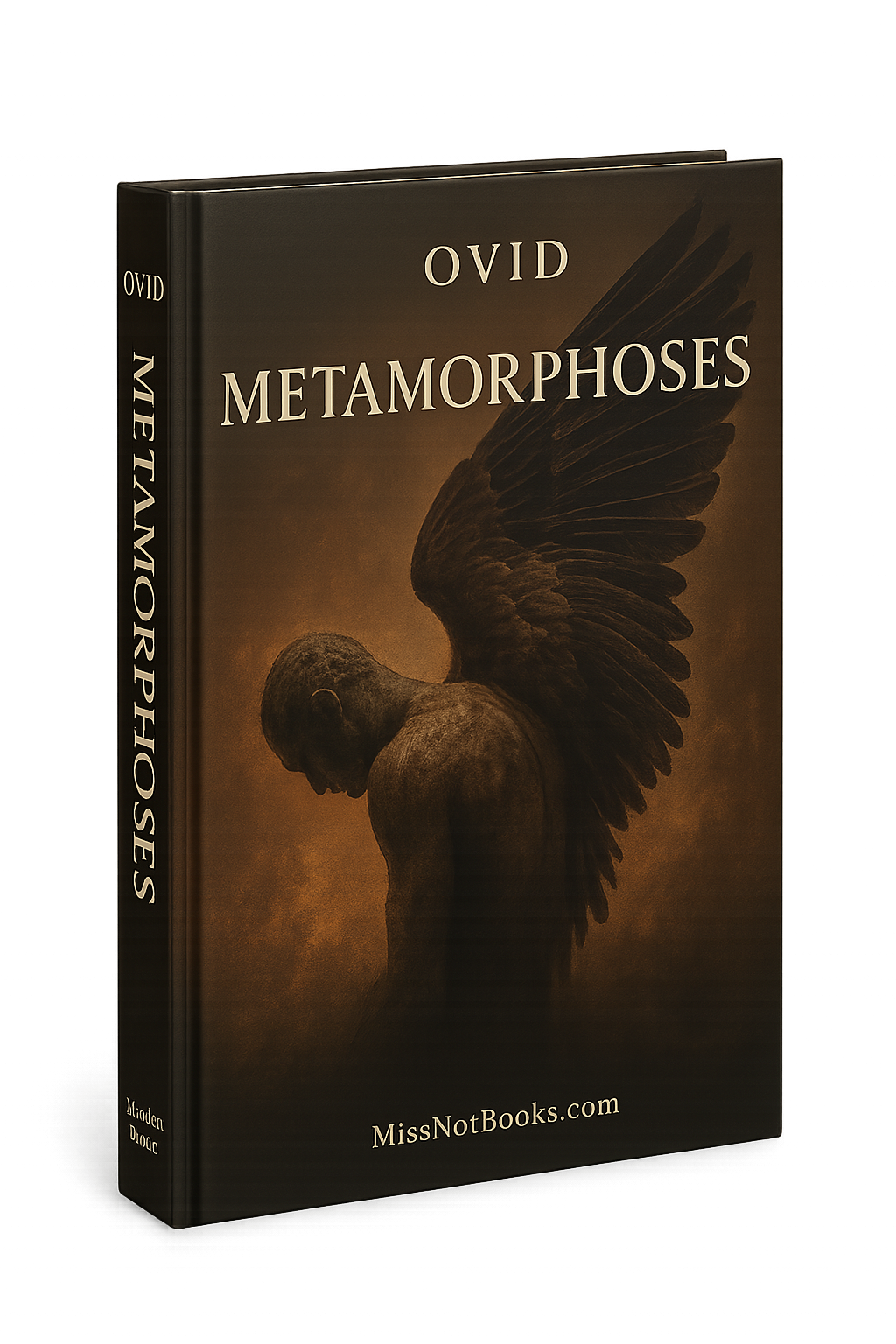
Metamorphoses
From the dawn of literary history to the present day, few texts have captivated the imagination and shaped cultural discourse like this remarkable work. This seminal text revolutionized storytelling through its intricate interweaving of myth and transformation, inviting readers to consider the profound connections between human experience and the divine. By challenging conventional narratives and exploring themes of change, identity, and the nature of existence, this book has profoundly influenced literature, art, and philosophy for centuries, leaving an indelible mark on the Western canon.
Core Ideas and Main Arguments
- Transformation as a Central Theme: The book posits that change is the only constant in life, eloquently illustrating how characters morph into different forms and conditions, symbolizing human struggle and resilience.
- Interconnectedness of Myths: Each story is a thread in a richly woven tapestry of mythology, suggesting that individual tales are not isolated but are part of a larger narrative about the human condition.
- The Role of the Divine: The work explores the tension between mortals and the gods, highlighting how divine intervention shapes destinies, reflecting contemporary beliefs about fate and free will.
- Identity and Continuity: Through metamorphosis, the book examines the fluidity of identity, questioning what it truly means to be oneself amidst constant change.
Author’s Intentions and Context
The author, writing during a time of considerable political and social upheaval in ancient Rome, sought to create a cohesive work that captured the essence of mythological and historical narrative. Responding to a world caught between the remnants of ancient traditions and the tides of emerging new values, the author aimed to illustrate profound truths about humanity’s experiences, desires, and fears. By delving into transformation, the author addressed existential uncertainties amid changing social hierarchies and cultural beliefs, offering a means of understanding and reconciling the complexities of life.
Structure of the Book
The work is organized into a series of loosely connected episodes, each telling a distinct story of transformation. The first part introduces various mythological figures and their transformations, progressing into tales of love, loss, and redemption. As the narrative unfolds, the transitions become more elaborate, culminating in a rich exploration of the interplay between mortals and divine beings—each section contributing to a broader discourse on the nature of existence and the endurance of myths.
Key Takeaways
- Transformation is not merely physical; it represents psychological and spiritual evolution.
- Myths serve as mirrors to human experience, reflecting society's values, fears, and hopes.
- The interplay between fate and free will is a critical theme, provoking thought about individual agency.
- The interconnectedness of stories reinforces the idea that we are part of a larger continuum of human experience.
Why It’s Important to Read
This work remains essential reading for anyone interested in the foundations of Western literature and mythology. Its exploration of transformation resonates with modern readers, providing insights into identity, continuity, and the nature of personal change. Scholars, writers, and lovers of stories alike will find inspiration in its pages, as it prompts reflection on the relentless currents of human experience. Engaging with this text not only enhances one's literary knowledge but also cultivates a deeper understanding of humanity’s shared narratives.
Impactful Quotes and Analysis
-
"You can’t step into the same river twice."
- This profound statement encapsulates the essence of transformation, reminding readers of the ever-changing nature of life and identity.
-
"With great power comes great responsibility."
- This line resonates beyond the mythological context, underscoring the moral weight carried by those who wield influence—an echo of contemporary ethical dilemmas.
-
"All things change, and we change with them."
- A reflection on the inevitability of change, this quote speaks to the human condition, inviting readers to embrace transformation as part of their journey.
About the Author
The author, Publius Ovidius Naso, commonly known as Ovid, was born in 43 BCE and died in 17/18 CE. A prominent Roman poet, Ovid is best known for his exploration of themes such as myth, love, and transformation in his poetic works. His legacy influenced countless writers and artists through the ages, and his innovative storytelling set new standards for literary expression. Ovid’s approach to myth and narrative continues to resonate in contemporary literature and art, securing his place as one of history’s most significant literary figures.
Don’t miss the opportunity to engage with one of the most influential works of all time. Buy it today and explore the beauty of human transformation. This monumental work is Metamorphoses by Ovid, brought to you for educational purposes by MissNotBooks.com.