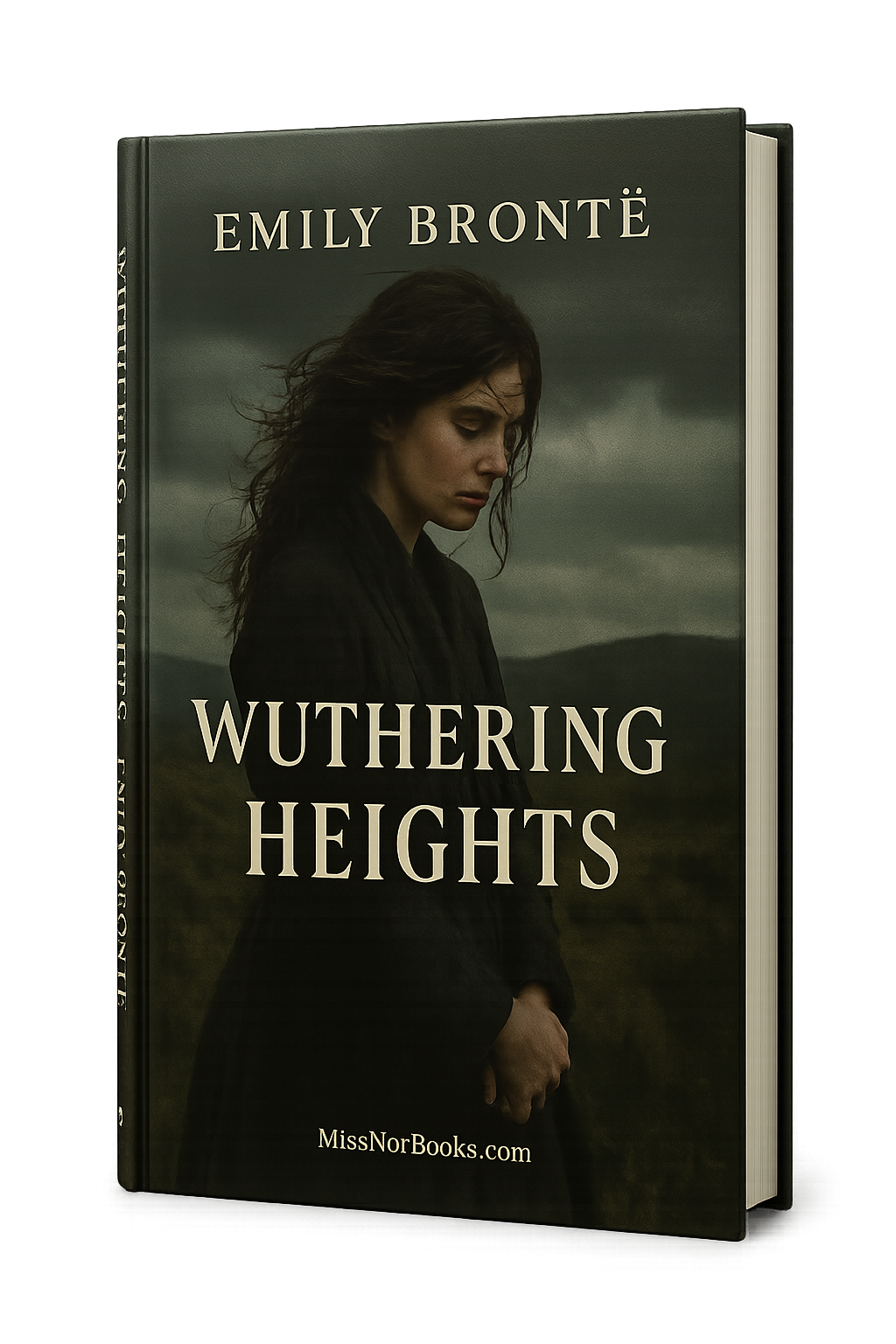
Wuthering Heights
In an era defined by the constraints of societal expectations and rigid class structures, one literary work emerged that would redefine the landscape of romantic literature and human emotion. This groundbreaking novel delves into the tempestuous depths of love, revenge, and the human condition, challenging readers to confront the raw realities of passion and its consequences. Its exploration of the wild, untamed spirit of nature juxtaposed with the tumult of human relationships resonates deeply, making it a transformative cornerstone in literary history.
Core Ideas and Main Arguments:
- Nature vs. Nurture: The setting becomes a character, illustrating how environment shapes individual destiny, particularly through the moors that reflect the wildness of human emotion.
- The Complexity of Love: The narrative does not shy away from presenting love as both destructive and redemptive, complicating the typical romantic ideal.
- Class Struggle: The interplay between social class and personal relationships highlights the inequities of Victorian society and the desire for transcendence.
- The Supernatural: Ghostly presences and hauntings symbolize unending connections and unresolved conflicts, emphasizing the novel's themes of love and loss.
- Isolation vs. Connection: Characters grapple with their desires for connection while being pushed toward isolation due to their passions and circumstances.
Author’s Intentions and Context: Emily Brontë sought to illuminate the depths of human emotion amidst the rigid confines of 19th-century society. In a world where women's voices were often suppressed, Brontë wrote boldly from a female perspective. Responding to societal norms of her time, she crafted a narrative that not only questioned the propriety of romantic love but also examined the darker sides of human nature, love's madness, and revenge. The cultural milieu of the Industrial Revolution, which brought significant change to English society, is reflected in the tensions explored throughout the novel.
Structure of the Book: The narrative unfolds in a series of intertwined stories told by various characters, creating a rich tapestry of perspectives:
- Part One: Introduction of the primary characters and the setting, establishing key themes of love and revenge.
- Part Two: Development of the relationships, particularly the volatile bond between the protagonists, revealing the impacts of their actions on future generations.
- Part Three: The culmination of events, leading to the resolution of conflicts, and the enduring specter of past sins that haunt the characters even in their attempts for redemption.
Key Takeaways:
- The destructive potential of obsessive love is vividly realized, illustrating how passion can lead to both ruin and revelation.
- The novel presents an unflinching portrait of human emotion, devoid of romantic idealization, inviting readers to reflect on the intensity of their feelings.
- Readers gain insight into the complexities of family dynamics and social class, prompting reflections on their relevance in contemporary society.
Why It’s Important to Read: This novel remains a vital read for anyone interested in the complexities of human relationships and the cultural forces that shape them. It serves as a poignant reminder of the struggles inherent in love and the shadow of the past. Literature enthusiasts, psychologists, and sociologists alike will find value in its exploration of passion, revenge, and redemption. Its themes continue to resonate, offering timeless insights into the human experience.
Impactful Quotes and Analysis:
-
"Whatever our souls are made of, his and mine are the same."
This quote encapsulates the profound connection between the two central characters, suggesting that true love transcends societal boundaries and personal turmoil. -
"I cannot live without my soul."
Here, the depth of emotional attachment is articulated, revealing how intertwined the fates of the lovers are, with love seen as essential to existence itself. -
"It is not in the stars to hold our destiny but in ourselves."
This pivotal line asserts an empowering view of fate, emphasizing agency over one’s own life, a theme that resonates strongly in modern discourse around personal responsibility.
About the Author: Emily Jane Brontë (1818-1848) was an English novelist and poet, best known for her solitary, intense work that left an indelible mark on English literature. Born in Yorkshire, she, alongside her sisters Charlotte and Anne, undertook the creation of a unique literary legacy, producing works that challenged contemporary norms and delved into the complexities of the human experience. Her only novel, through its vivid portrayal of passionate love and its consequences, has influenced generations and is celebrated for its daring and originality.
This monumental work is Wuthering Heights by Emily Brontë, brought to you for educational purposes by MissNotBooks.com.