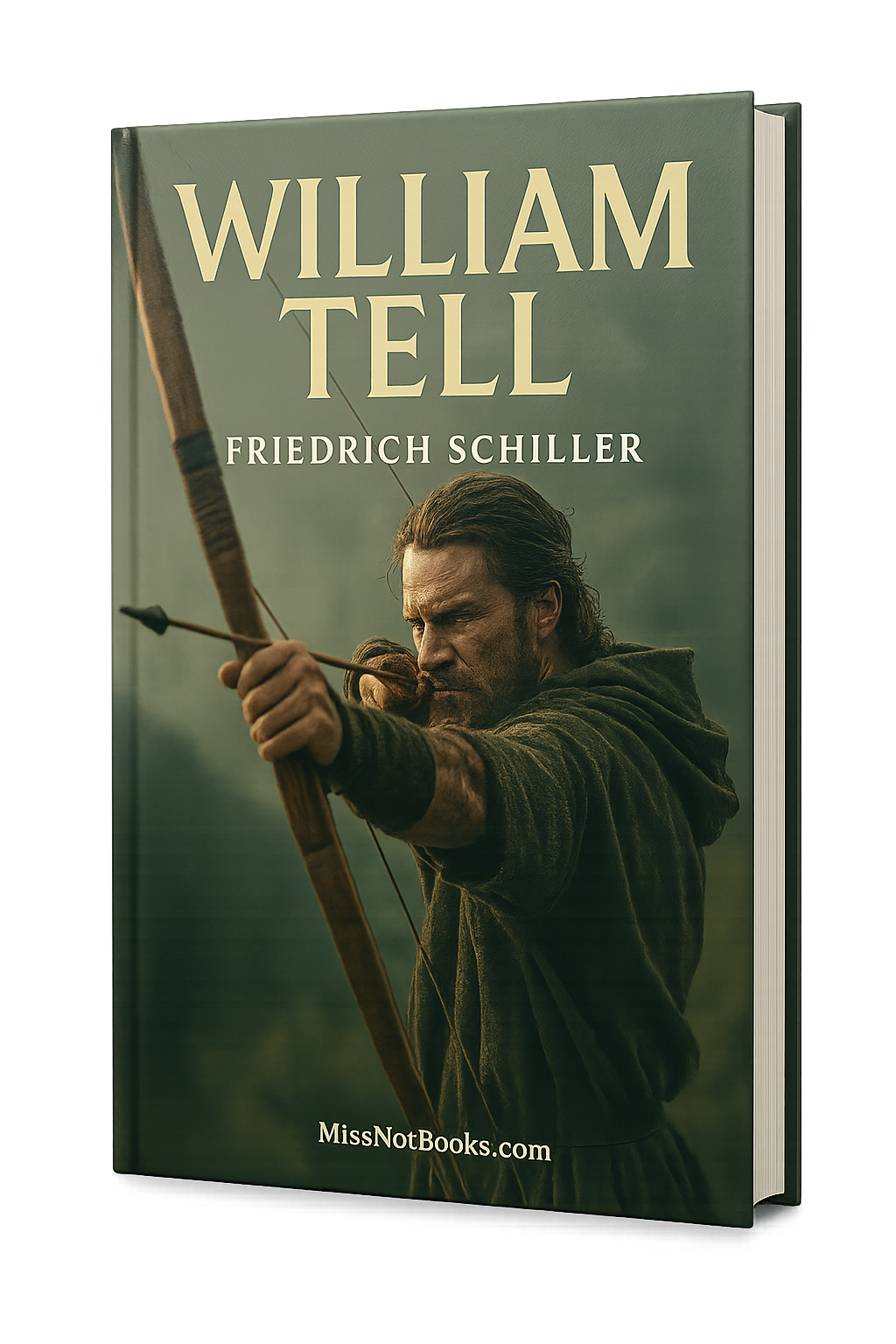
William Tell
In the realm of literature and theater, few works have transcended their time to resonate profoundly with the values of freedom, resistance, and human dignity as much as this remarkable play. Its impact has fundamentally transformed how audiences perceive the struggle against tyranny, celebrating the spirit of self-determination and the moral complexities of rebellion. Through vivid storytelling and potent themes, this narrative challenges societal norms and invites reflection on the ethics of conflict and the role of the individual in shaping history. Don’t miss the opportunity to engage with one of the most influential works of all time. Buy it today and explore the timeless battle for liberty and the strength of the human spirit.
Core Ideas and Main Arguments:
- The Quest for Freedom: Central to the narrative is the theme of liberation from oppressive rulers, highlighting the instinctual human yearning for freedom.
- Moral Complexity of Rebellion: The play examines the moral dilemmas faced by individuals when fighting against tyranny, questioning the justifications for violence and the implications of resistance.
- The Power of Individual Action: It emphasizes that one person's courage can inspire collective action, illustrating how personal choices can lead to significant societal changes.
- Nature as a Symbol: Nature is portrayed as a source of strength and liberation, contrasting the constraints of societal order.
Author’s Intentions and Context: Friedrich Schiller, writing during the turbulence of the late 18th century, sought to inspire his audience by reflecting on the socio-political upheavals of his time, particularly the influence of the American and French Revolutions. He aimed to articulate the struggle for personal and political freedom and to challenge the oppressive regimes that stifled human potential. In creating this work, Schiller engaged with Enlightenment principles, advocating for rational thought and the importance of emotional resonance in moral decision-making.
Structure of the Book: The play is structured in five acts, each meticulously crafted to build tension and develop characters that embody various aspects of the struggle for freedom.
- The first act sets the political landscape and introduces the main characters, establishing their motivations.
- Subsequent acts explore the escalating conflict, revealing the personal stakes and moral dilemmas faced by the protagonists.
- The final acts culminate in a gripping resolution, balancing personal sacrifices with the broader quest for justice.
Key Takeaways:
- The enduring relevance of personal courage in the face of oppression.
- The moral ambiguities surrounding revolt and the consequences of violent resistance.
- A profound understanding of the notion that true freedom demands sacrifice and communal struggle.
Why It’s Important to Read: This play remains crucial not only for its historical insight into the dynamics of power and resistance but also for its exploration of universal themes that resonate in today’s sociopolitical environment. Readers from all walks of life — whether they are students, activists, or lovers of literature — will benefit from its rich narrative and philosophical depth. Engaging with this text invites a reconsideration of the values we hold and challenges us to reflect on our roles within society.
Impactful Quotes and Analysis:
- "Give me freedom or give me death!" This declaration captures the essence of the struggle, highlighting the fundamental human desire for autonomy and the lengths individuals will go to achieve it.
- "Every hero must be tried." This line emphasizes the notion that true valor is forged in the face of adversity, suggesting that without challenge, the fullness of character remains untested.
- "A nation is not made of bricks, but of men." Here, Schiller poignantly reminds readers that the strength of a society lies in its people and their collective will to fight for a better future.
About the Author: Friedrich Schiller (1759-1805) was a German playwright, poet, and philosopher whose works profoundly influenced literature and thought. A pivotal figure in the German Enlightenment, Schiller's writings explore the intersections of aesthetics, ethics, and politics, leaving a legacy that continues to inspire discussions on freedom and the human condition. His contributions have cemented his place as one of the foundational figures in modern German literature.
This monumental work is William Tell by Friedrich Schiller, brought to you for educational purposes by MissNotBooks.com.