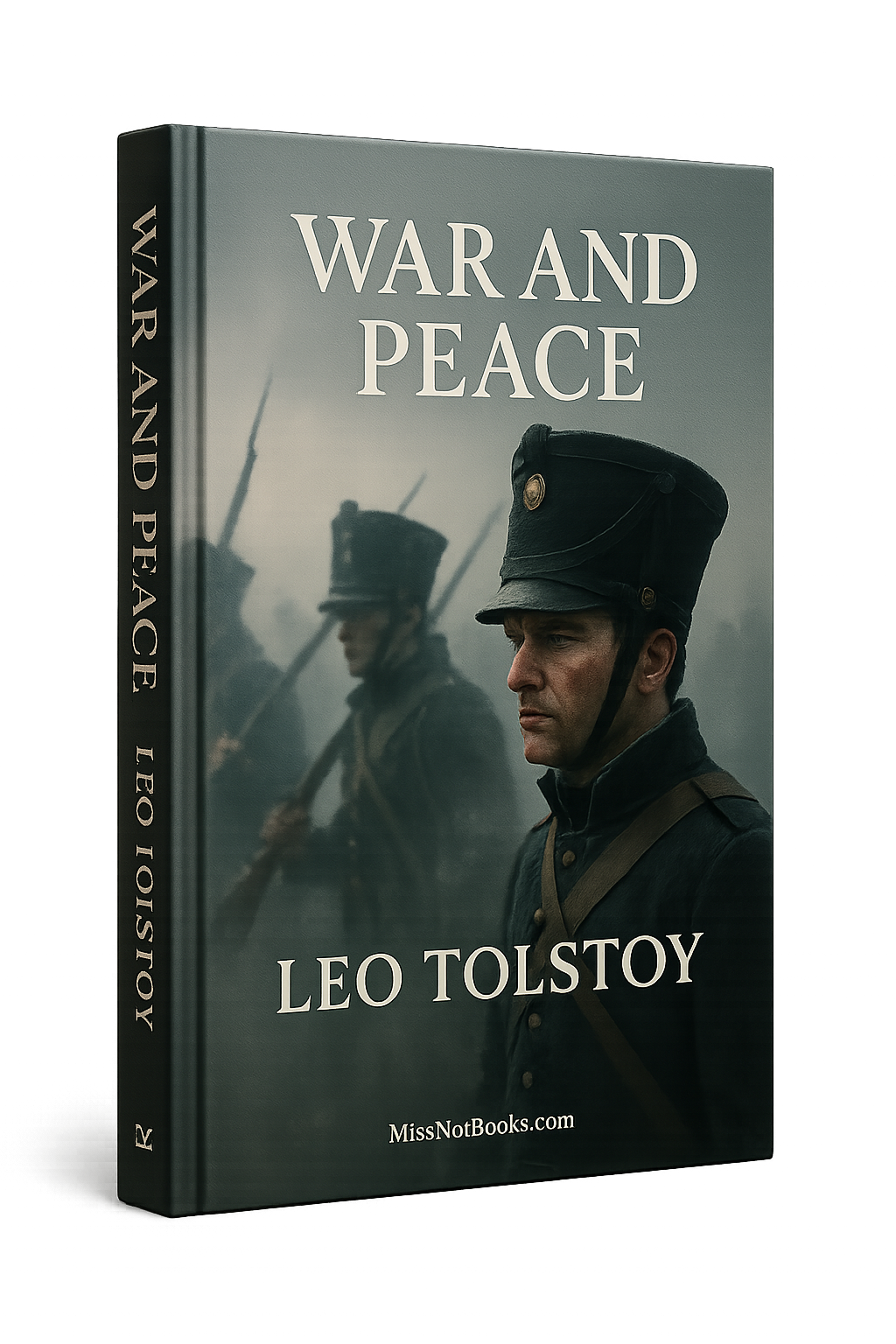
War and Peace
Overview of a Transformative Work
At the intersection of history, philosophy, and human experience lies a monumental piece of literature that fundamentally transformed the landscape of narrative storytelling. This book delves into the complexities of life, capturing the tumult of societal upheaval while revealing the profound depths of individual human emotions. In crafting a sweeping saga that intertwines the fates of families against the backdrop of war, this work challenged conventional narratives by blending historical events with intricate character development, thereby redefining how we perceive personal and collective journeys. Its unparalleled depth and insight have established it as one of the most celebrated works in literary history.
Don’t miss the opportunity to engage with one of the most influential works of all time. Buy it today and explore the intricacies of humanity during an era of turmoil.
Core Ideas and Main Arguments:
- The Inevitability of Change: The narrative illustrates that history is not merely a sequence of events but a complex tapestry woven by human choices and unforeseen circumstances.
- The Nature of War and Peace: Through vivid portrayals of conflict, the text explores the duality of war and peace, revealing insights into the human condition that remain relevant across eras.
- Interconnectedness of Lives: The intertwined lives of the characters serve as a microcosm of society, emphasizing the impact each individual has on others and the collective fate.
- Moral and Ethical Dilemmas: The author raises critical questions about duty, morality, and personal redemption, inviting readers to reflect on their values amidst chaos.
Author’s Intentions and Context:
In crafting this work, the author aimed to not only recount historical events but also to probe the depths of human existence and motivation. Writing during a time of great social and political upheaval in 19th-century Russia, the author sought to explore the philosophical struggles of his time, particularly regarding fate versus free will. This book responds to the challenges of the era, intricately examining the human capacity for both destruction and compassion in a world marked by uncertainty and conflict.
Structure of the Book:
The book is thoughtfully organized into four volumes, each contributing to the overarching narrative arc:
- Volume One: Introduces the key characters and sets the historical backdrop of the Napoleonic Wars, establishing the societal structures and family dynamics that will shape the narrative.
- Volume Two: Expands on personal transformations and the impact of war, interweaving personal crises with the broader strokes of historical events.
- Volume Three: Deepens the exploration of philosophical themes, presenting varying perspectives on honor, power, and the true cost of war.
- Volume Four: Concludes the narrative by reflecting on the aftermath of war, focusing on reconciliation, growth, and the possibilities for a peaceful future.
Key Takeaways:
- The complex interplay between individual agency and historical forces is a central theme that compels readers to question the nature of destiny.
- The exploration of love, family, and friendship amid adversity highlights the resilience of the human spirit.
- Philosophical reflections on morality and ethics prompt readers to consider their implications in modern contexts.
Why It’s Important to Read:
This work’s enduring relevance lies in its ability to articulate the core questions of human existence that transcend time and culture. Its reflections on war, peace, and the human experience resonate with readers today, offering insights into the ongoing struggles for personal and social justice. Scholars, history enthusiasts, and those seeking a deeper understanding of the intricacies of humanity will find this book particularly enriching.
Impactful Quotes and Analysis:
-
“The best way to keep one's word is not to give it.”
- This moment reflects the moral complexities faced by individuals, capturing the tension between promises and the unpredictable nature of life.
-
“Everyone thinks of changing the world, but no one thinks of changing himself.”
- This poignant insight challenges readers to first look within, underlining the importance of personal responsibility in effecting broader societal change.
-
“If you want to be sure of your path, have great faith; if not, lose faith and always be ready to change.”
- This wisdom emphasizes flexibility and faith as crucial to navigating the uncertainties of life.
About the Author:
The author, Leo Tolstoy (1828–1910), was a Russian novelist and moral philosopher renowned for his profound contributions to literature and thought. Born into an aristocratic family, he became famous for his epic narratives that grapple with fundamental questions of morality, war, and the human experience. Tolstoy’s legacy endures not only through his literary mastery but also through his philosophical writings on nonviolent resistance and the quest for spiritual truth.
This monumental work is War and Peace by Leo Tolstoy, brought to you for educational purposes by MissNotBooks.com.