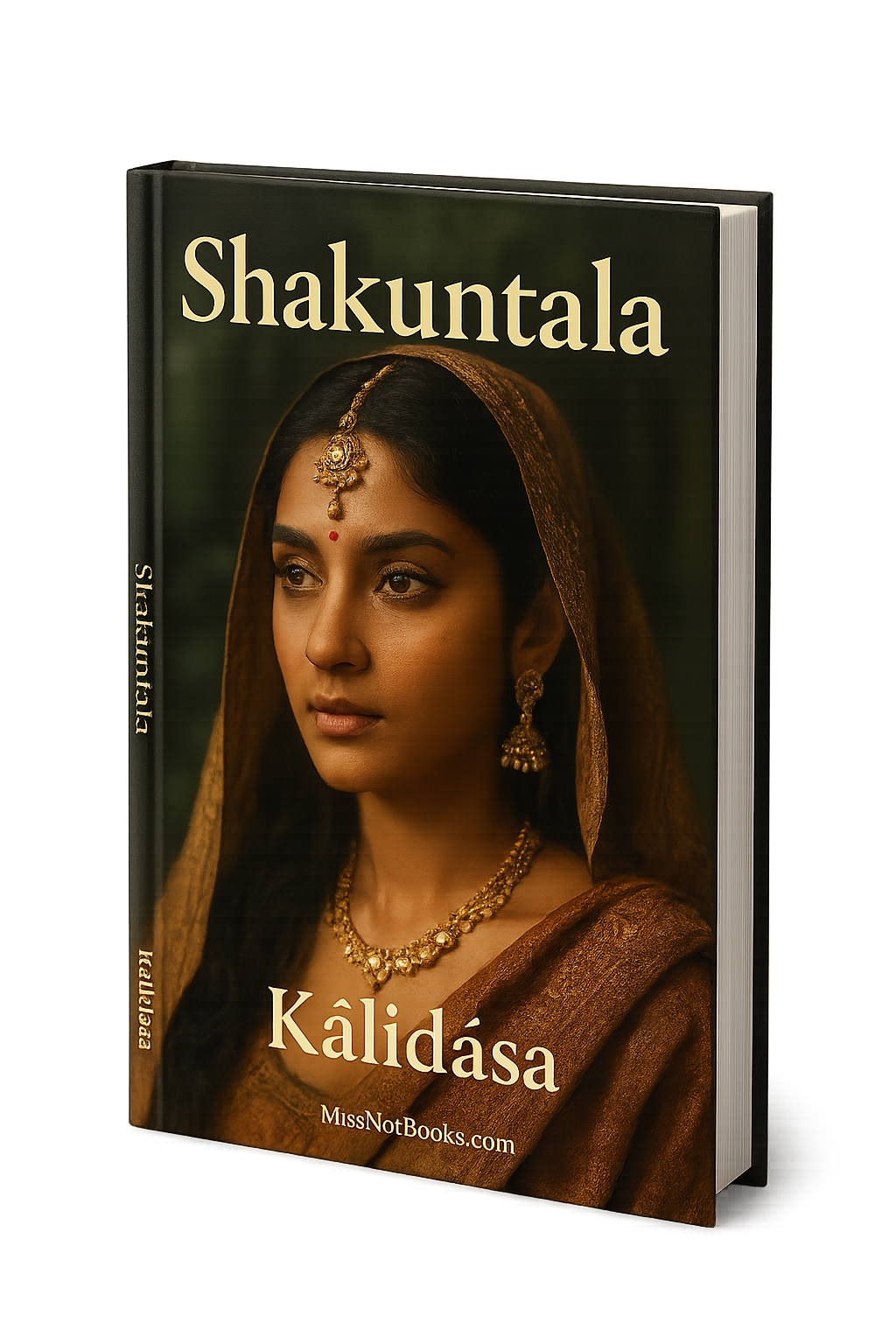
Shakuntala
In the rich tapestry of world literature, few works resonate with the beauty and profundity encapsulated in the art of love and longing as one particular text. This seminal work revolutionized the portrayal of romantic relationships in literature, interweaving the complexities of human emotion with the intricacies of nature. It challenges readers to reflect upon the theme of destiny, showcasing how love transcends societal constraints and the passage of time. This narrative continues to inspire countless adaptations and interpretations, solidifying its place as a cornerstone of classical literature that still captivates audiences today. Don’t miss the opportunity to engage with one of the most influential works of all time. Buy it today and explore the beauty of human love and its eternal conflicts.
Core Ideas and Main Arguments
- Love and Destiny: The narrative beautifully illustrates the interplay between love and fate, suggesting that true love can endure even against overwhelming odds.
- Nature and Emotion: The vivid descriptions of the natural world serve as a backdrop for the characters’ emotional journeys, revealing the deep connection between the environment and human feelings.
- Social Commentary: The work challenges the rigid social structures of its time, advocating for personal desire over societal expectation.
- Transformation and Growth: The characters undergo significant personal development, symbolizing the journey of love as a transformative experience.
Author’s Intentions and Context
Kālidāsa, emerging from an era marked by rich cultural and artistic development in ancient India, set out to weave a narrative that would resonate with both the intellect and emotions of his time. Responding to the conventions of classical poetry and drama, he aimed to elevate emotional expression while tackling the philosophical dilemmas surrounding love, separation, and reunion. This work serves not only as entertainment but also as a profound meditation on the human condition, addressing the yearning for connection that transcends social norms.
Structure of the Book
The text unfolds in a series of acts, combining lyrical poetry with dramatic elements:
- Act 1: Introduces the central characters and the idyllic setting, establishing their love against a backdrop of beauty.
- Act 2: Explores the challenges they face, emphasizing the themes of separation and longing.
- Act 3: The climax brings the confrontation of fate and personal desire, leading to moments of heightened emotion.
- Act 4: Features the resolution, where love triumphs through the reconciliation of the characters’ destinies.
Key Takeaways
- The portrayal of love as a powerful and transformative force.
- The intricate relationship between nature and the emotional landscape of the characters.
- A timeless exploration of the tension between societal expectations and personal happiness.
- An understanding of how destiny influences the trajectories of love.
Why It’s Important to Read
This work is essential for anyone seeking deeper insights into the nature of love and the human experience. Its exploration of emotional depth resonates with modern audiences, providing a lens through which to view the complexities of relationships in any era. Scholars, poets, and lovers alike will find value in its rich language and profound philosophical questions, making it a timeless piece that continues to inspire dialogue across cultures.
Impactful Quotes and Analysis
-
“The mind is bewildered by love; it knows not where to find peace.”
This line encapsulates the universal struggle of love, illustrating how deeply intertwined it is with the human psyche and the quest for inner calm amidst chaos. -
“As the earth flourishes with the monsoon rains, so does love blossom in the heart.”
Here, the metaphor of nature as a catalyst for love emphasizes the idea that love is an organic, life-giving force, nurturing and blooming under the right conditions. -
“Time does not alter the bond between lovers; it only enhances it.”
This quote speaks to the timeless quality of true love, suggesting that separation may deepen emotional connections rather than weaken them.
About the Author
Kālidāsa (c. 4th–5th century CE) is celebrated as one of the greatest poets and playwrights in Sanskrit literature. His works are characterized by their lyrical beauty and emotional depth, drawing from a rich cultural heritage that binds poetry to philosophical inquiry. Often compared to Shakespeare for his dramatic narratives and exploration of human emotions, Kālidāsa's influence has permeated various forms of Indian art and literature, leaving an indelible mark on the landscape of global storytelling.
This monumental work is Shakuntala by Kālidāsa, brought to you for educational purposes by MissNotBooks.com.