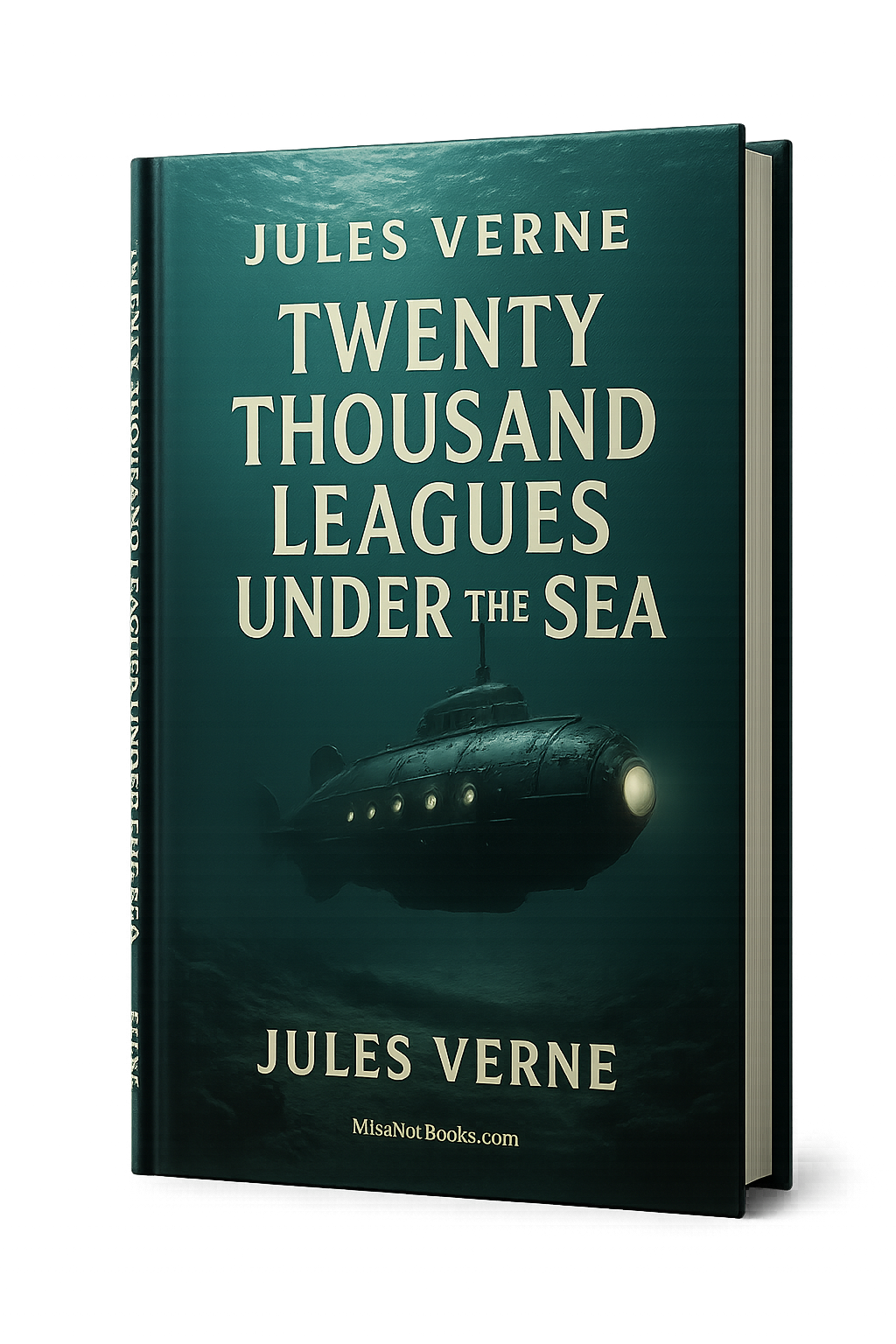
Twenty Thousand Leagues Under the Sea
In an age where the mysteries of the ocean beckoned to the adventurous spirit of humanity, one book transformed our perception of the seas and those who dare to explore its depths. This narrative not only propelled the science fiction genre into a new frontier but fundamentally challenged contemporary notions of exploration, technology, and the human spirit. By weaving together elements of adventure, innovation, and philosophical inquiry, it invited readers to reflect on the relationship between man and nature and the potential for technological triumphs over the unknown. Don’t miss the opportunity to engage with one of the most influential works of all time. Buy it today and explore the foundation of modern science fiction.
Core Ideas and Main Arguments
- Human Ingenuity and Exploration: The narrative explores the relentless drive of humanity to understand and conquer the unknown, embodied by the enigmatic Captain Nemo.
- The Duality of Nature: The work presents the ocean as both a wondrous realm filled with beauty and a perilous place that tests human limits, inviting a deeper reflection on nature's duality.
- Critique of Imperialism: Through the adventures of its protagonist, the book challenges the imperial pursuits of the time, positioning itself as a voice for the oppressed and a critique of colonial endeavors.
- Technological Advancement: It delves into the role of technology in exploration, showcasing the Nautilus as a marvel of engineering and a symbol of human progress.
Author’s Intentions and Context
Written during the late 19th century—a period characterized by rapid industrialization and exploration—this work sought to capture both the marvels and dangers of the deep blue sea. The author aimed to reflect on the age’s scientific progress while addressing the ethical implications of exploitation, all while igniting the imaginations of readers young and old. The backdrop of expanding empires and the burgeoning interest in marine biology and technology set the stage for a narrative that was as much about the future as it was about the past.
Structure of the Book
The narrative is structured into chapters that follow the journey of Professor Aronnax and his companions aboard the submarine Nautilus. Each section systematically reveals the complexities of marine life and the moral dilemmas faced during their adventures:
- Part One: Introduction to the ocean and the mysteries surrounding it, establishing the tone of wonder.
- Part Two: Encounters with fantastical sea creatures, illustrating the vibrant ecosystem and the beauty of exploration.
- Part Three: Conflicts and philosophical discussions aboard the Nautilus, shedding light on Captain Nemo’s troubled past.
- Part Four: A climactic exploration of man's dominion over nature and the ultimately tragic fate of humanity's endeavors.
Key Takeaways
- The ocean’s power and mystery: A profound understanding of the untamed forces of nature.
- Reflection on humanity’s quest for knowledge: Encouragement to ponder the ethical dimensions of technological advancements.
- The idea of sanctuary versus society: A profound dialogue about isolation and community in a rapidly industrializing world.
Why It’s Important to Read
This work remains timeless, resonating with contemporary discussions on environmentalism, technology, and humanity's insatiable curiosity. It serves to inspire future generations to respect and explore the natural world while grappling with the consequences of their pursuits. Readers from all walks of life, especially those enthralled by adventure, science, and philosophical inquiry, will find profound value in its pages.
Impactful Quotes and Analysis
-
"The sea is everything." This powerful statement encapsulates the ongoing mystery and allure of the ocean, reminding us that it is a source of life, wonder, and fear.
-
"I am not a man of this world." This reflects Captain Nemo's estrangement from society and resonates strongly in the contemporary context of individualism versus societal pressure, inviting readers to question their place within the world.
-
"Water is the most extraordinary substance in the world." Here, the author communicates the beauty and complexity of water, urging readers to appreciate the intricacies of life beneath the waves and the larger world around them.
About the Author
Jules Verne (1828-1905) was a French novelist, poet, and playwright, widely regarded as one of the founding figures of science fiction literature. His imaginative tales of adventure and exploration laid the groundwork for future genres and inspired countless readers and writers. Verne’s legacy lives on through his visionary ideas about science, technology, and the nature of exploration, which continue to influence both literature and popular culture.
This monumental work is Twenty Thousand Leagues Under the Sea by Jules Verne, brought to you for educational purposes by MissNotBooks.com.