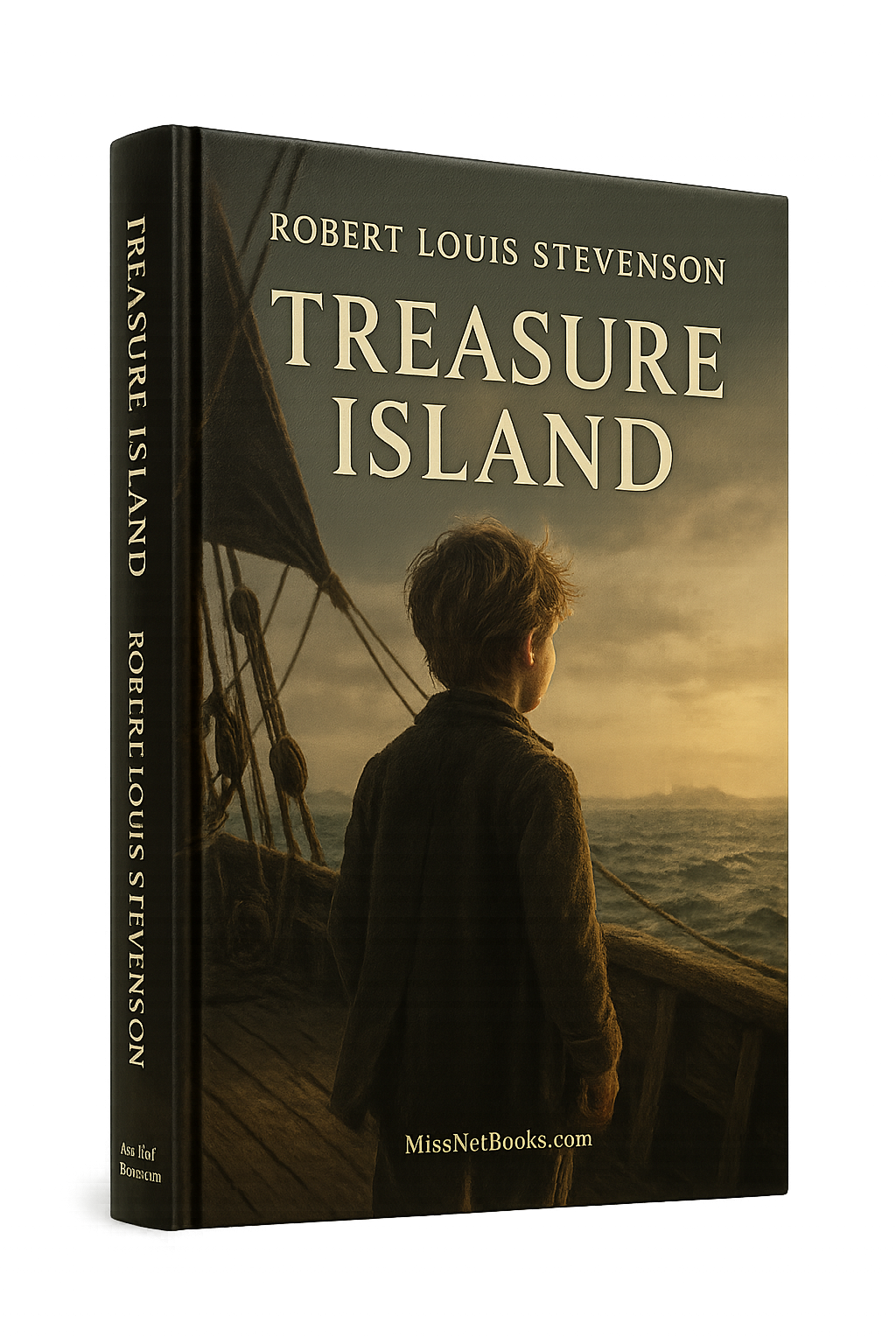
Treasure Island
In a landscape of literature where adventure and morality intertwine, one work stands as a beacon of youthful exploration and ethical complexity. It transformed the genre of children's literature, introducing themes of courage, betrayal, and the quest for treasure not just in gold, but in moral and personal growth. This timeless tale challenges conventional narratives of piracy and heroism, redefining not only adventure literature but also our understanding of identity and belonging. The legacy of this book continues to inspire readers, urging them to embark on their own adventures of self-discovery against the backdrop of fantastical high seas and treacherous characters. Don’t miss the opportunity to engage with one of the most influential works of all time. Buy it today and explore the essence of human ambition and morality.
Core Ideas and Main Arguments
- The Dichotomy of Good and Evil: The narrative distinctly portrays varying shades of morality in its characters, particularly in the character of Long John Silver, who embodies both charm and treachery.
- Coming of Age: The journey of the young protagonist, Jim Hawkins, illustrates the transition from innocence to experience, making it a quintessential bildungsroman.
- The Thrill of Adventure: The story illustrates adventure as a catalyst for personal growth, showcasing the transformative power of journeying into the unknown.
- The Quest for Treasure: Beyond gold, the quest symbolizes deeper values—friendships, loyalties, and ethical dilemmas faced during the struggles for obtaining one’s desires.
Author’s Intentions and Context
Written during the late 19th century, a time when the concept of childhood was being redefined and the Victorian era was grappling with complex social changes, the author sought to give voice to the imagination of young readers. By placing a young boy at the heart of wild adventures, the book responds to cultural anxieties about the innocence lost in the face of adult complexities and the burgeoning industrial world. The author’s intent was to craft a narrative that not only held entertainment value but also posed moral questions relevant to both children and adults of the time, exploring themes of loyalty, betrayal, and the nuances of human character.
Structure of the Book
The narrative is structured into a series of chapters that chronologically follow the protagonist’s adventures:
- Introduction of Characters and Setting: Establishing Jim Hawkins and the discovery of the treasure map.
- The Voyage Begins: Moving from the safety of home to the dangers of the sea, setting the stage for conflict.
- Conflict at Sea: The pirate rebellion, illustrating the clash of morality amidst treasure-seeking.
- Resolution and Growth: Jim's return home, reflecting on his journey and the lessons learned.
Each section builds upon the last, culminating in a rich tapestry of action and ethical inquiry.
Key Takeaways
- Moral Ambiguity: The book emphasizes that individuals cannot be easily categorized into purely good or evil, inviting readers to contemplate the nature of morality.
- Importance of Courage: Characters are faced with decisions that require integrity and bravery, underscoring the significance of personal courage.
- Impact of Choices: The narrative illustrates how choices made in the face of temptation can lead to unforeseen consequences.
Why It’s Important to Read
The ongoing relevance of this work is profound in our contemporary society, where ethical dilemmas and the search for one’s identity remain pertinent. Readers of all ages will benefit from the rich narrative and complex characters, fostering discussions around morality, adventure, and the essence of human experience. Its lessons resonate beyond childhood, making it essential reading for anyone interested in literature that navigates the human condition.
Impactful Quotes and Analysis
-
“Fifteen men on the dead man’s chest—Yo-ho-ho, and a bottle of rum!”
This line encapsulates the spirit of adventure and the pirate’s life, evoking the lure of treachery and camaraderie that defines the story. -
“I am not a coward, but I am not a fool.”
This statement reflects Jim Hawkins’ internal conflict and growth, showcasing his developing sense of bravery tempered by wisdom as he navigates perilous situations. -
“You can't trust a man who does not have a past.”
This captures the essence of the characters’ complicated histories, underscoring the theme that everyone carries a history that shapes their identities and choices.
About the Author
Robert Louis Stevenson (1850–1894) was a Scottish novelist, poet, and travel writer, renowned for his captivating storytelling and vivid imagination. His works have had a lasting impact on literature, with “Treasure Island” being celebrated as one of the most enduring adventure stories in the canon. His legacy as a master storyteller continues to influence writers across genres and ages, as he navigated the depths of human psychology through thrilling narratives.
This monumental work is Treasure Island by Robert Louis Stevenson, brought to you for educational purposes by MissNotBooks.com.