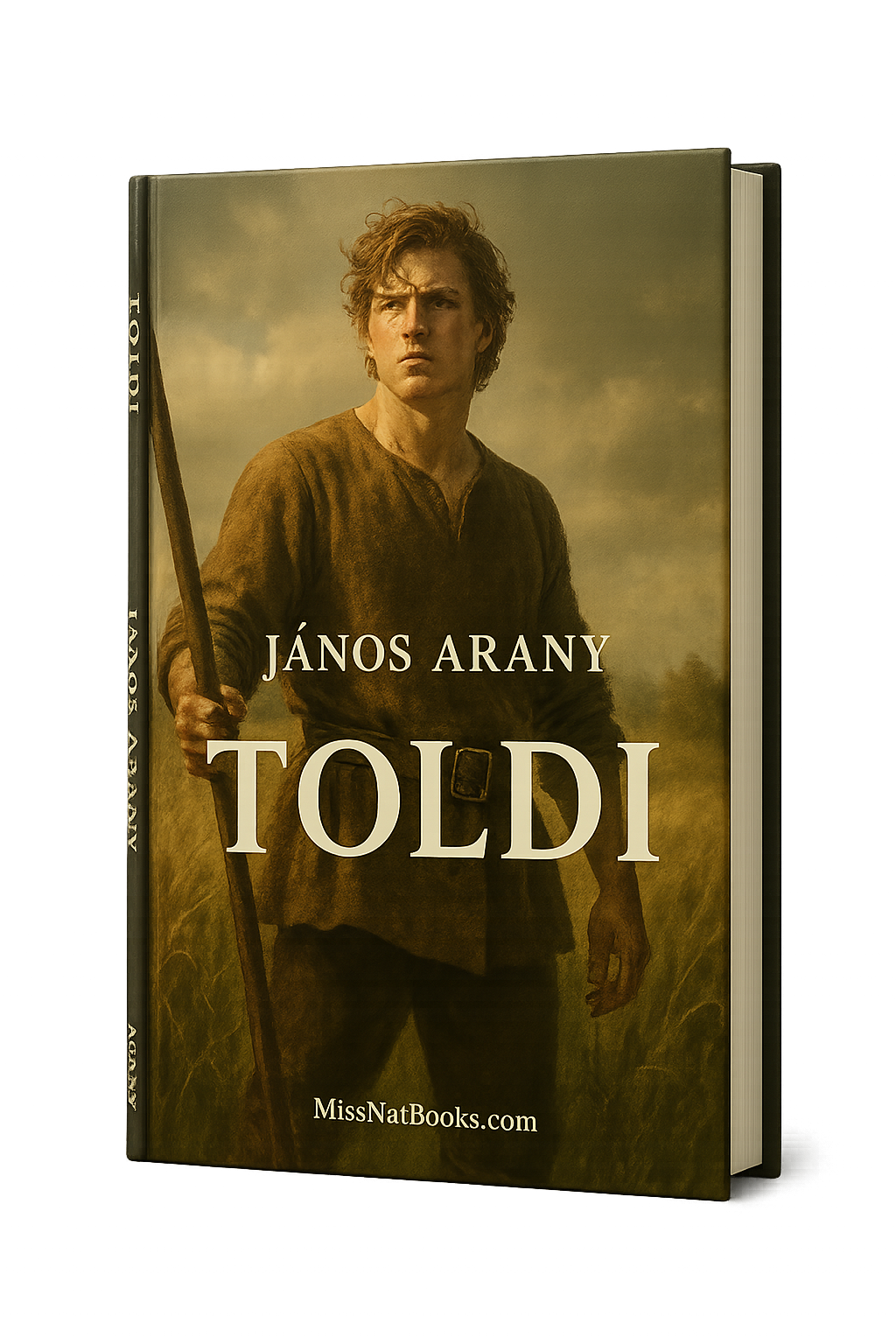
Toldi
In a world where the forces of history and culture often dictate the narratives we accept, one groundbreaking work emerges as a beacon of resilience and national identity. This book transforms the landscape of literature and cultural discourse, playing a pivotal role in shaping modern notions of heroism, national pride, and poetic expression. By intertwining folklore with profound moral questions, it opens a doorway to understanding the complexities of human nature and the enduring spirit of a people.
Don’t miss the opportunity to engage with one of the most influential works of all time. Buy it today and explore the roots of national identity and the essence of human valor.
Core Ideas and Main Arguments
- Heroism and Individuality: The book presents a nuanced view of heroism, exploring how individual actions can influence the collective fate of a nation.
- Cultural Identity: It encapsulates the essence of national pride, using folklore and historical events to forge a deep connection between the characters and the collective consciousness of a people.
- Moral Complexities: The author delves into the ethical dilemmas faced by the protagonist, challenging readers to reflect on concepts of justice, loyalty, and sacrifice.
- Nature as a Character: The vivid imagery and descriptions of the natural landscape serve not just as a backdrop, but as an integral part of the story, influencing events and moods throughout the narrative.
Author’s Intentions and Context
The author set out to create a work that would resonate not only with the contemporary audience but also with future generations, aiming to rekindle interest in the national folklore during a period of cultural awakening. This book emerged amidst a backdrop of political and social challenges, reflecting the struggles faced by the author's homeland. By addressing themes of resistance against oppression, the work offers a narrative that celebrates cultural perseverance in the face of adversity.
Structure of the Book
The book is meticulously organized into several key sections that guide the reader through its rich narrative:
- Introduction: Establishes the setting and introduces key characters, setting the groundwork for the conflicts to come.
- Conflict Development: Each subsequent chapter escalates the tension, revealing the moral and ethical challenges faced by the protagonist.
- Resolution: Concludes with the hero’s final actions, encapsulating the central themes of sacrifice and heroism.
- Epilogue: Reflects back on the events of the story and their implications for the future of the characters and their nation.
Key Takeaways
- The complexity of heroism is intertwined with individual choice and sacrifice for the greater good.
- Cultural narratives have the power to inspire and solidify national identity.
- Ethical dilemmas are inherent in the human experience, prompting reflection beyond the confines of the story.
- Nature is portrayed not only as a setting but as a character that influences the trajectory of human actions.
Why It’s Important to Read
Reading this work is essential for anyone interested in the intricate webs of cultural identity, ethics, and the quest for individual significance within a larger narrative. Its timeless relevance speaks to audiences across generations, making it a crucial text for scholars, historians, and anyone moved by the enduring power of storytelling. The insights offered within its pages can transform the way we think about our own identities and the legacies we leave behind.
Impactful Quotes and Analysis
-
“Every man is a hero until proven otherwise.”
- This quote captures the essence of how society views individuals through the lens of their actions, emphasizing that heroism is often a matter of perspective shaped by circumstance.
-
“In the heart of the storm, the true sailor is revealed.”
- A powerful metaphor illustrating that true character emerges not in comfort but under the greatest pressures, encouraging readers to reflect on their own reactions to adversity.
-
“The land remembers those who walk upon it.”
- This statement underscores the profound connection between people and their homeland, suggesting that history is not merely a sequence of events, but a living narrative shaped by personal experiences.
About the Author
János Arany (1817–1882) was a pivotal figure in Hungarian literature, celebrated for his poetic prowess and deep engagement with national themes. As one of the leading voices of the Hungarian literary revival, his works reflect the cultural, social, and political contexts of his time. His legacy as a poet and a national bard endures, with his contributions continuing to inspire generations to grapple with themes of identity, morality, and the human condition.
This monumental work is Toldi by János Arany, brought to you for educational purposes by MissNotBooks.com.