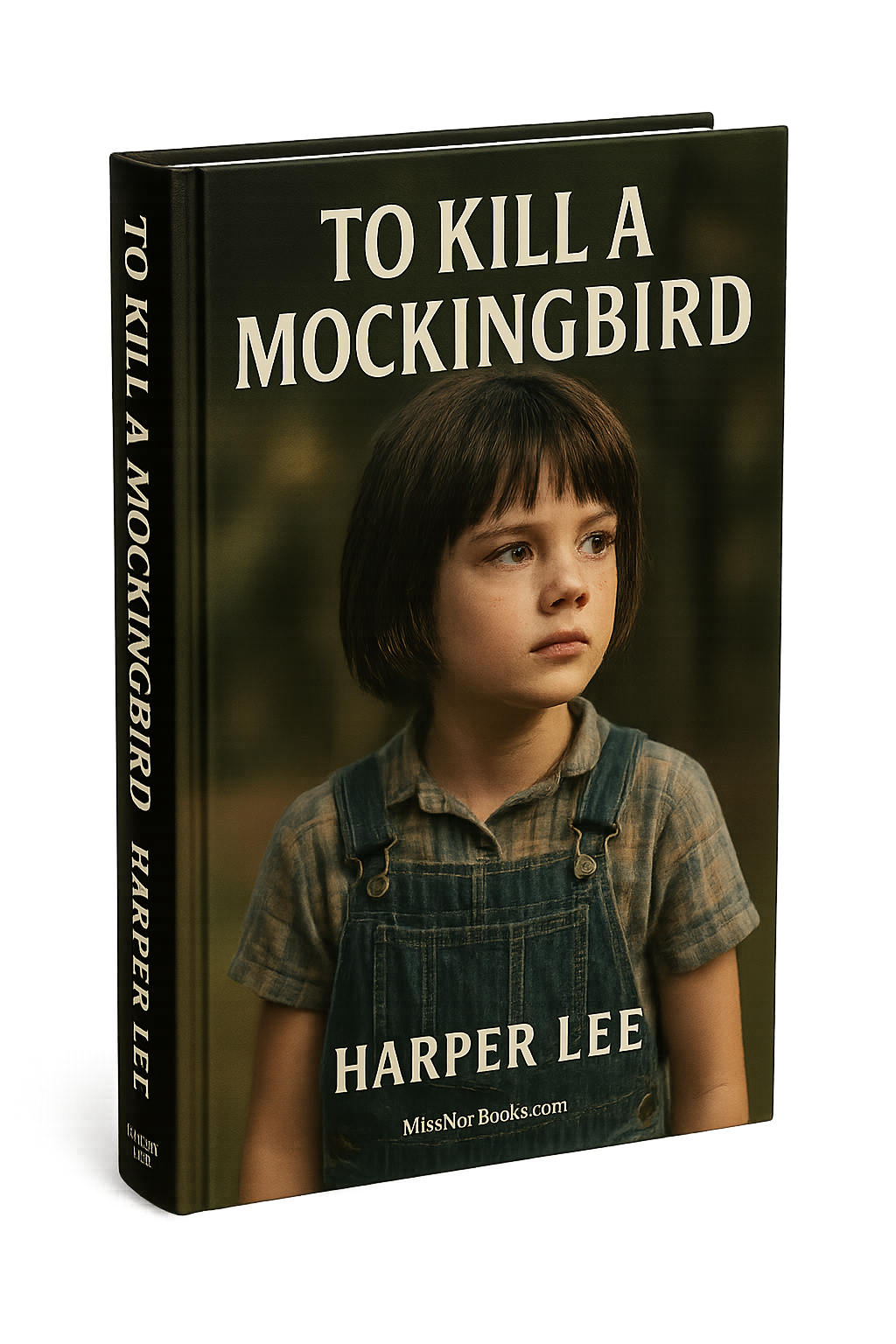
To Kill a Mockingbird
In the realm of literature, few works have had the power to profoundly shift societal perceptions and fuel discussions around justice, morality, and humanity. This landmark book emerges from a turbulent era in American history, shining a light on the deep-seated issues of racial inequality and moral courage. Its exploration of the human experience resonates on multiple levels, challenging readers to confront their own values and perceptions, ultimately transforming how we understand empathy and justice in a divided world.
Core Ideas and Main Arguments:
- The exploration of racial injustice and systemic inequality, revealing the harsh realities faced by marginalized communities.
- The importance of moral integrity and personal conscience, emphasizing that true courage is standing up for what is right, even when it is unpopular.
- The development of empathy as a fundamental human trait, advocating for understanding others’ perspectives as a pathway to healing societal wounds.
- The critique of societal norms and prejudices that dictate behavior, pressing readers to question the ethical implications of conformity.
Author’s Intentions and Context:
The author set out to illuminate the pressing social issues of her time, particularly focusing on the racial tensions prevalent in the American South during the 1930s. In the wake of the Great Depression and the escalation of Jim Crow laws, the author aimed to confront and dissect the mechanisms of prejudice and to advocate for societal progress through introspection and conversation. By framing her narrative through the innocent eyes of a child, she provided an accessible and powerful lens that forced her audience to reckon with their own biases and moral convictions.
Structure of the Book:
The narrative unfolds in a linear progression across three parts:
- The Childhood Innocence: Introducing readers to the protagonist and her family, establishing the social landscape of her small town, and setting the stage for the inevitable collision between innocence and harsh realities.
- The Trial: Central to the story, this section encapsulates the climactic moral conflict, showcasing the deep-seated racial injustices through courtroom drama, challenging the notions of truth and morality.
- The Aftermath: Reflecting on the reverberations of the trial and the personal growth of the characters, this part illustrates the long-lasting impacts of social injustice and emphasizes the importance of empathy in healing.
Key Takeaways:
- The necessity of empathy as a tool for understanding and addressing prejudice.
- The recognition of courage in standing for justice—often in the face of overwhelming opposition.
- The realization that childhood innocence can be easily shattered by society's failures, underscoring the importance of nurturing moral compass in youth.
- A profound commentary on the complexities of human behavior and the nuances of good versus evil.
Why It’s Important to Read:
This book holds tremendous relevance today, as the conversations around race, justice, and morality continue to evolve. Readers from all walks of life—students, activists, and anyone seeking a deeper understanding of human nature—will find value in its pages. The themes resonate across generations, providing timeless insights that encourage reflection and discussion about our own societal structures and personal beliefs.
Impactful Quotes and Analysis:
-
“You never really understand a person until you consider things from his point of view… Until you climb into his skin and walk around in it.”
This quote underscores the core message of empathy, reminding readers that understanding others is pivotal to fostering compassion and social change. -
“The one thing that doesn't abide by majority rule is a person's conscience.”
This profound assertion elevates the notion of individual morality over societal expectations, emphasizing the necessity of personal integrity in the fight for justice. -
“Mockingbirds don’t do one thing but make music for us to enjoy. They don’t eat up people’s gardens, don’t nest in corncribs, they don’t do one thing but sing their hearts out for us. That’s why it’s a sin to kill a mockingbird.”
A powerful metaphor representing innocence and the moral obligation to protect those who do no harm, this imagery resonates deeply within the social fabric of justice and defenselessness.
About the Author:
Harper Lee, born on April 28, 1926, in Monroeville, Alabama, and passing on February 19, 2016, is an iconic figure in American literature. Best known for her single, remarkable novel, Lee’s work is a touchstone for discussions about race and morality. Her contributions have left an undeniable mark on literary and social discourse, praised not only for her narrative skill but for her unwavering commitment to illuminating humanity’s conscience.
Don’t miss the opportunity to engage with one of the most influential works of all time. Buy it today and explore the beauty of human empathy and moral courage. This monumental work is To Kill a Mockingbird by Harper Lee, brought to you for educational purposes by MissNotBooks.com.