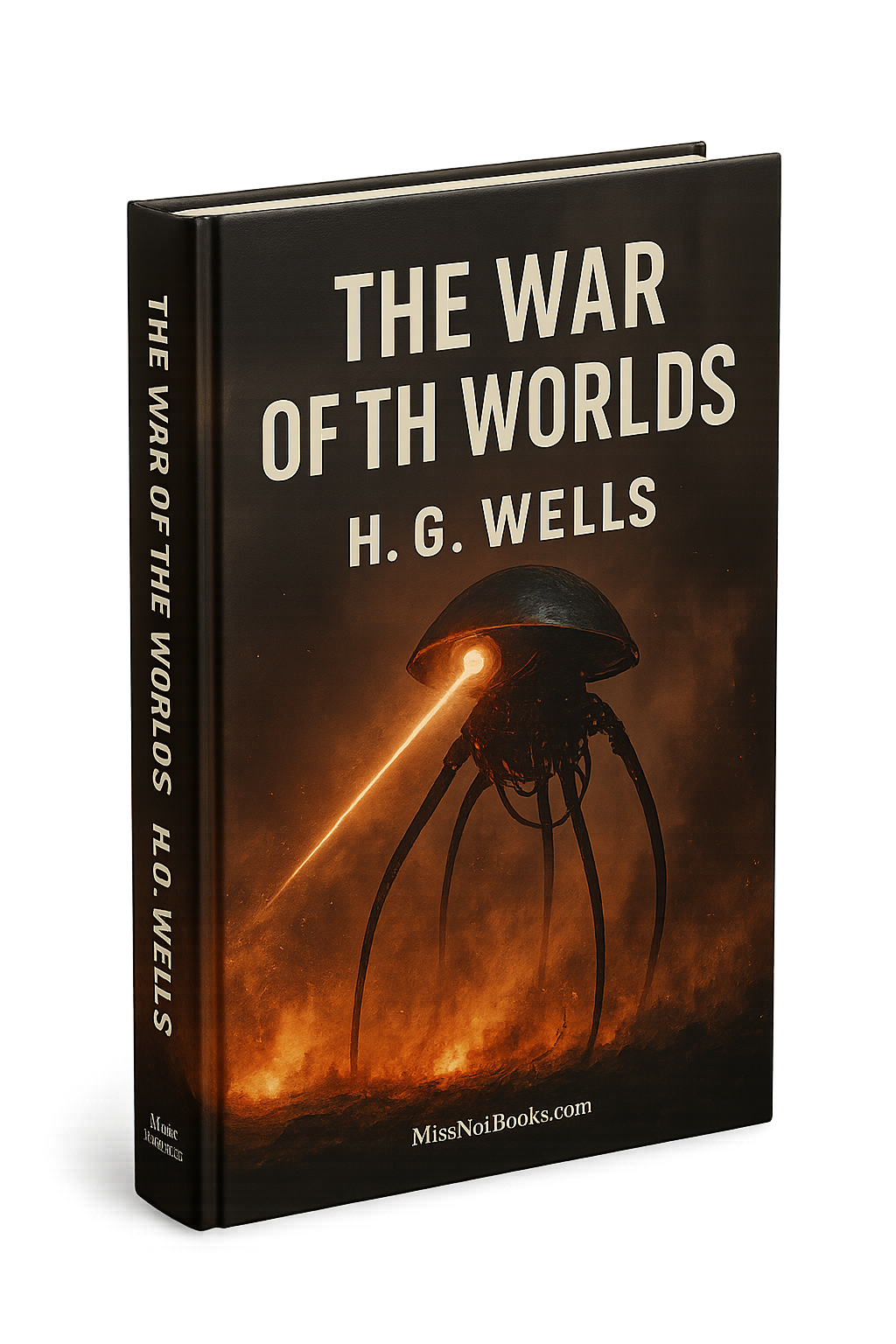
The War of the Worlds
In an era when humanity's grasp of science and technology began to expand at an unprecedented rate, one influential work shattered preconceived notions of life beyond Earth and profoundly changed the landscape of science fiction, literature, and public consciousness. By introducing a gripping narrative of extraterrestrial invasion, this book not only captured the imagination of its readers but also raised profound questions about imperialism, the nature of humanity, and the consequences of unchecked technological advancement. Its chilling depiction of alien forces invading Earth conveyed a sense of disquiet and reflection on the fragility of civilization, paving the way for future explorations of not only the cosmos but humanity's place within it. Don’t miss the opportunity to engage with one of the most influential works of all time. Buy it today and explore the foundation of modern science fiction.
Core Ideas and Main Arguments:
- Alien Invasions as Allegories: The narrative serves as a powerful metaphor for imperialism, reflecting anxieties about colonial expansion and the fragility of Western civilization.
- Human Fragility: Through vivid depictions of societal breakdown and human despair, the book underscores humanity's vulnerability in the face of superior forces beyond our control.
- Technological Advancement and Its Dangers: It critiques the reckless pursuit of scientific progress without ethical considerations, warning of the potentially destructive outcomes of technological hubris.
- Survival Instincts: The story explores the primal instincts that drive humanity in the face of catastrophic events, highlighting themes of survival, adaptation, and resilience.
Author’s Intentions and Context: Set against the backdrop of the late 19th century, a time of rapid industrialization and imperial expansion, the author sought to articulate the fears and uncertainties of an age marked by remarkable scientific discovery and disturbing moral questions. The book was conceived in an environment where the potential for global catastrophe loomed large—both from the advances in technology and from the nature of human conflict. H.G. Wells aimed to provoke thought about the moral implications of progress and the ethical responsibilities that come with immense power.
Structure of the Book:
- Introduction of the Martians: The narrative begins with the arrival of an unidentified object from Mars, setting the stage for a profound exploration of the unknown.
- The Initial Invasion: As the Martians emerge, the chaos unfolds, showcasing the immediate shock and awe of humanity confronting alien technology.
- Societal Collapse: The middle sections delve into the disintegration of societal norms, examining how fear and panic take hold of populations.
- Survival and Resistance: The climax reveals human attempts to resist and survive, highlighting both hope and despair.
- Conclusion and Reflection: The resolution leaves readers with questions about what it means to be human in a universe filled with unknowns.
Key Takeaways:
- The portrayal of extraterrestrial life challenges humanity's self-perception and assumptions about dominance in the universe.
- The narrative compels readers to confront the implications of their own technological advancements and moral responsibilities.
- A sense of vulnerability and resilience prevails, offering insights into human nature under distressing circumstances.
Why It’s Important to Read: This book continues to resonate in contemporary culture, reflecting ongoing fears about the unknown as well as the ethical dilemmas posed by rapid technological advances. It offers invaluable perspectives for readers interested in literature, science fiction, philosophy, and history. Scholars, students, and casual readers alike can glean insights into the human condition and our existential dilemmas, fostering a deeper understanding of both past and future.
Impactful Quotes and Analysis:
-
“No one would have believed in the last years of the nineteenth century that this world was being watched keenly and closely by intelligences greater than man’s.”
- This quote encapsulates the core theme of humanity’s arrogance in its understanding of the universe, foreshadowing the invasion that challenges this belief.
-
“The Earth, the Earth, is both a wonderful and terrible place.”
- This reflection signifies the duality of human existence—where beauty and horror coexist, prompting readers to contemplate their place within the world.
-
“It is a matter of fate, perhaps, that men must grapple with their own destruction.”
- This dialogue on inevitability urges readers to consider whether humanity’s own actions lead to its undoing, establishing a poignant commentary on responsibility and foresight.
About the Author: Herbert George Wells (1866–1946) was an English writer and social commentator, renowned for his significant contributions to science fiction, with works that challenged the narrative norms of his time. Wells was not only an author but also an avid social reformer, advocating for progressive change in society through his writings. His intellectual legacy continues to influence the genres of science fiction and speculative literature, solidifying his reputation as a visionary thinker who sought to address the pressing issues of his day.
This monumental work is The War of the Worlds by H.G. Wells, brought to you for educational purposes by MissNotBooks.com.