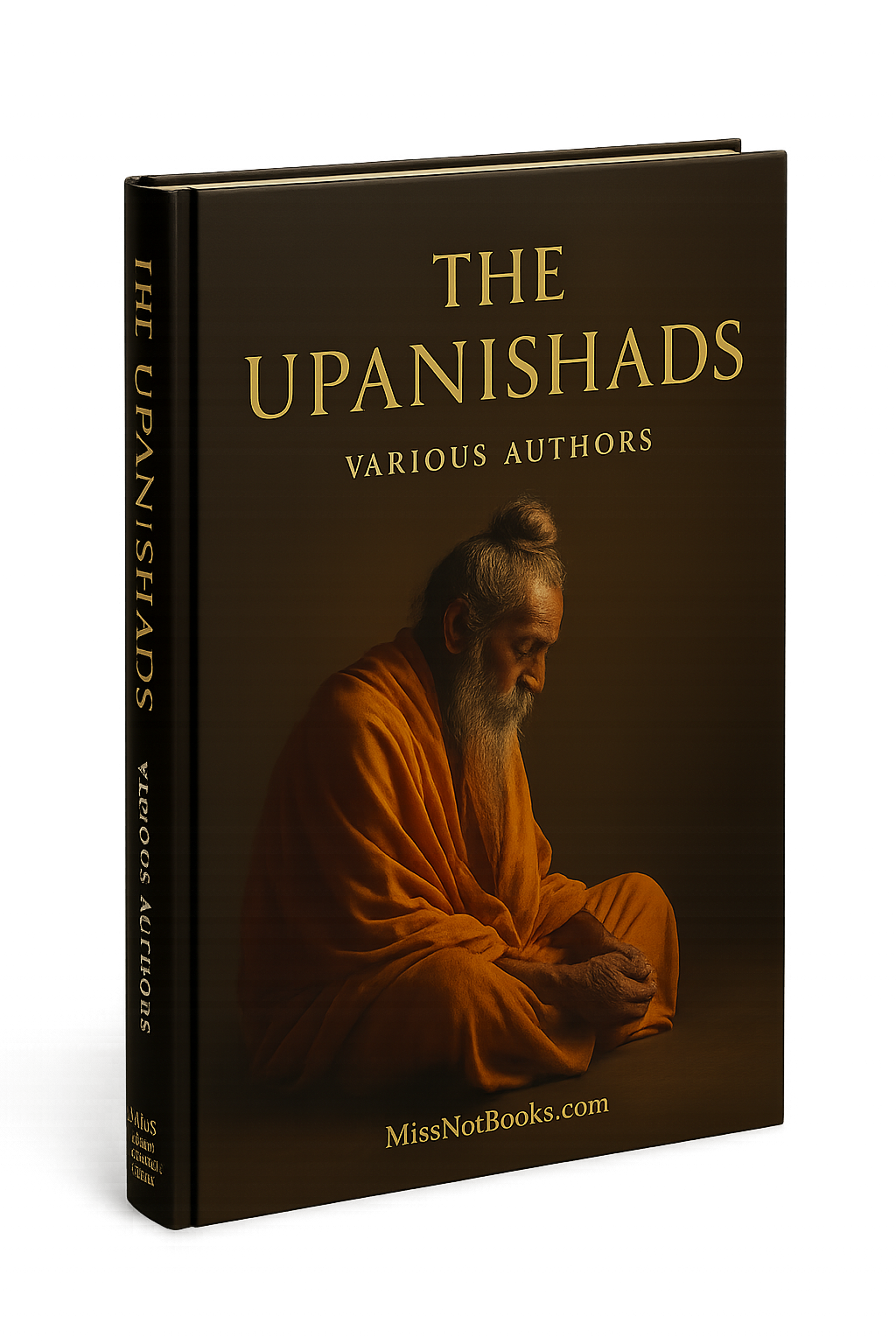
The Upanishads
In an era marked by intense philosophical inquiry and spiritual exploration, one remarkable collection of texts emerged, fundamentally reshaping the landscape of human thought. This body of work revolutionized the way individuals understand the nature of reality, consciousness, and the self, encouraging a departure from dogmatic traditions towards a more introspective and philosophical inquiry. By weaving profound metaphysical insights with practical wisdom, this anthology champions the quest for self-realization and the quest for truth, laying the foundations for countless spiritual and philosophical movements across centuries.
Don’t miss the opportunity to engage with one of the most influential works of all time. Buy it today and explore the roots of philosophical thought that continue to inspire millions worldwide.
Core Ideas and Main Arguments:
- Unity of Atman and Brahman: Central to these texts is the idea that individual consciousness (Atman) is fundamentally identical to the universal consciousness (Brahman), challenging the notion of separation between self and the cosmos.
- Moksha and Liberation: The texts articulate the concept of moksha, or liberation from the cycle of birth and rebirth (samsara), emphasizing the importance of self-knowledge as the path to enlightenment.
- Meditation and Contemplation: There is a strong focus on meditative practices as essential tools for achieving deeper understanding and consciousness.
- Ethical Living: The Upanishads stress the importance of ethical living and virtue as prerequisites for spiritual advancement, thereby intertwining morality with spirituality.
- The Nature of Reality: Multiple themes challenge the perception of reality, inviting readers to question the material world and to seek deeper truths beyond the sensory experience.
Author’s Intentions and Context: The authors of these texts aimed to explore the profound questions of existence, purpose, and the nature of consciousness in a world increasingly filled with ritualistic practices and societal divisions. Emerging in ancient India during a transitional period characterized by philosophical contestation among various schools of thought, these works sought to distill the essence of wisdom and spiritual understanding. They provided a narrative framework that allowed people to engage with complex ideas about life, knowledge, and the ultimate reality, encouraging a shift towards introspection and philosophical inquiry.
Structure of the Book: The anthology is typically structured into various sections that reflect different philosophical themes:
- Foundational Philosophy: Early texts define concepts of ultimate reality, self, and the relationship between the two.
- Meditative Practices and Ethics: Subsequent sections delve into meditation techniques and moral frameworks essential for spiritual growth.
- Dialogues and Teachings: Included are discourses that express and discuss key philosophical debates, allowing for a dynamic engagement with the texts' ideas.
Each division builds upon the previous, creating a rich tapestry of thought that encourages readers to delve deeper into their own understanding of existence.
Key Takeaways:
- Understanding of Self: Readers will gain profound insights into their own identities and the interconnectedness of all beings.
- Path to Enlightenment: The critical exploration of self-realization offers a pathway toward spiritual liberation.
- Philosophical Challenge: The texts challenge readers to interrogate conventional beliefs about reality and existence.
- Integration of Ethics and Spirituality: The integral relationship between ethical living and spiritual growth is emphasized, underscoring a holistic approach to life.
Why It’s Important to Read: The enduring relevance of this collection lies in its ability to resonate across cultures and eras, offering insights that extend beyond religious contexts into the realms of philosophy, psychology, and even modern science. Readers from all backgrounds—whether seekers of spiritual truth, students of philosophy, or individuals striving for personal growth—will find the teachings within invaluable. These texts are a testament to the ongoing human quest for understanding and connection, inviting deeper contemplation of the self and the universe.
Impactful Quotes and Analysis:
- "Tat Tvam Asi" (You are That): This concise phrase encapsulates the essence of non-duality, conveying the deep connection between the individual and the universe.
- "The mind is restless, turbulent, violent, and strong. Oh Krishna! To control it is more difficult than controlling the wind": This highlights the challenges of inner discipline, reminding readers of the turbulent nature of human thought and the need for cultivation of a focused mind.
- "When all the desires that dwell in the heart are cast away, then the mortal becomes immortal, and lives in the Supreme": This statement beautifully depicts the transformative power of letting go, illustrating the pathway to transcendence.
About the Author: While the Upanishads are attributed to various authors and sages, they reflect a collective wisdom cultivated over centuries in ancient India. The ideas articulated have shaped philosophical discourse, influenced spiritual traditions worldwide, and have laid the groundwork for later developments in Hindu thought and beyond. Each author contributes to the rich tapestry of ideas, making their legacy a shared one that has endured through millennia.
This monumental work is The Upanishads by Various Authors, brought to you for educational purposes by MissNotBooks.com.