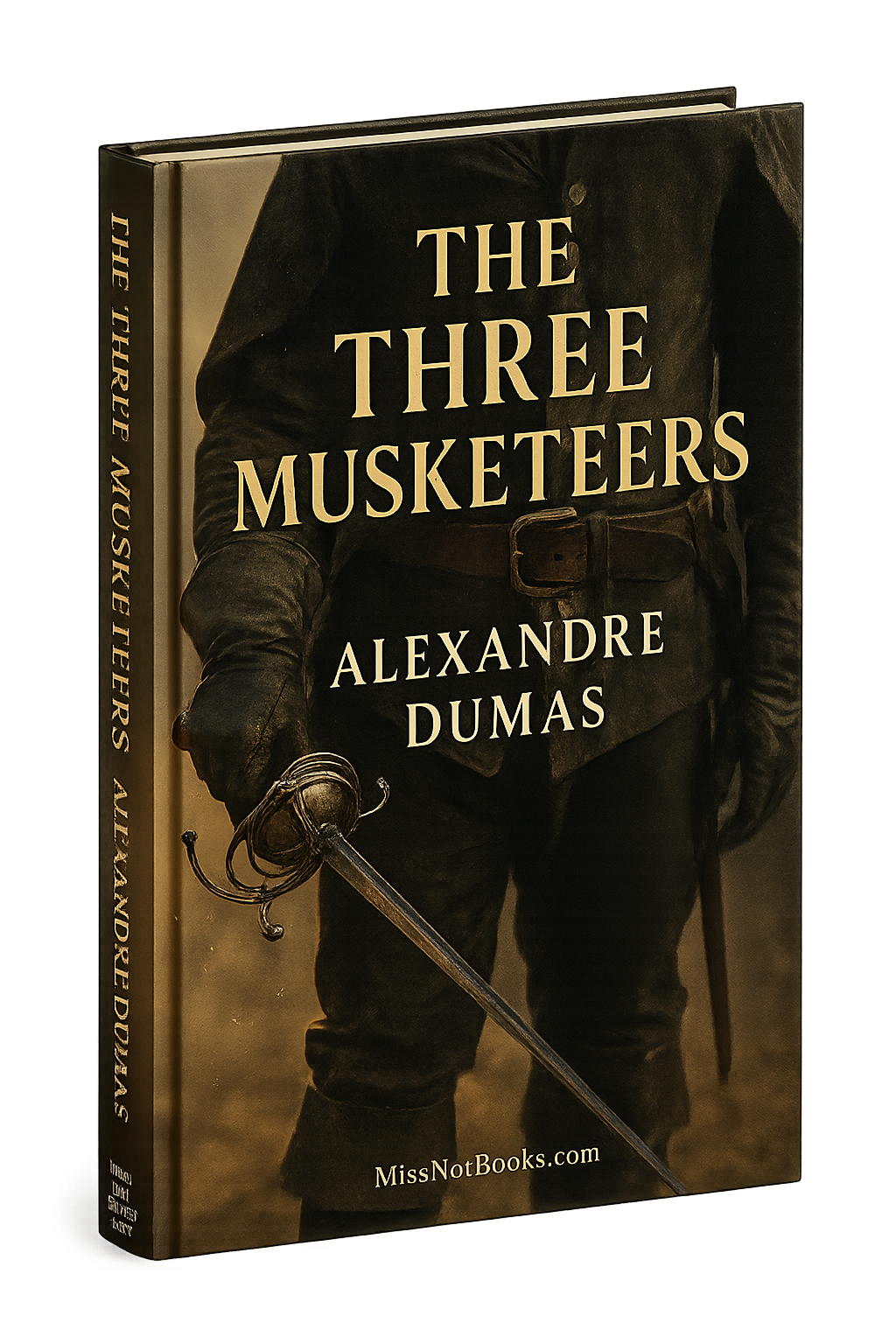
The Three Musketeers
In an age marked by political intrigue and social upheaval, one literary masterpiece emerged to capture the imagination of readers and reshape the very essence of adventure and camaraderie. This transformative work revolutionized the historical novel genre, compelling audiences to explore themes of loyalty, friendship, and honor against a backdrop of extravagant swordplay and daring exploits. It introduced a vivid world where heroism is both aspirational and flawed, forever challenging how we think about loyalty and patriotism. Its narrative brilliantly intertwines the personal and the political, making it profoundly relevant across generations and cultures. Don’t miss the opportunity to engage with one of the most influential works of all time. Buy it today and explore the beauty of human loyalty and the thrill of adventure.
Core Ideas and Main Arguments
- Friendship and Loyalty: The profound bonds among the protagonists exemplify the strength and importance of camaraderie in the face of adversity.
- Heroism and Flaws: The characters are depicted not as perfect heroes but as deeply relatable individuals with moral complexities.
- Political Intrigue: The backdrop of 17th-century France highlights the intricate dance of power, loyalty, and betrayal.
- Adventure and Action: The narrative blends action with rich character development, illustrating how ideals can clash with reality.
- Individual vs. State: The tension between personal loyalty and duty to the state is a recurring theme, prompting reflection on civic identity.
Author’s Intentions and Context
Alexandre Dumas set out to create a tale that not only enthralled with its swashbuckling adventures but also resonated with deeper philosophical queries about friendship and integrity. Written in a time where France was embroiled in political discord during the reign of Louis XIII, Dumas sought to reflect the nobility's struggles and the common man's aspirations, bringing to life the complexities of loyalty amid betrayal. The book was a response to the romantic notions of heroism that shaped the era, pushing readers to question the authenticity of their own heroic ideals.
Structure of the Book
The narrative unfolds through a series of chapters organized around key adventures and character developments:
- Introduction of Characters: The backstories of D'Artagnan and the three musketeers—Athos, Porthos, and Aramis—are established.
- Rising Tensions: Initial conflicts and the political intrigues involving Cardinal Richelieu are presented.
- Developing Relationships: The friendships form and evolve, illustrating the theme of loyalty.
- Adventures and Trials: Key episodes of action reveal both external and internal conflicts.
- Climactic Confrontations: The narrative builds to confrontations that solidify themes of honor and betrayal.
- Resolution: A resolution that reflects on the cost of loyalty and the sacrifices made.
Key Takeaways
- The Nature of True Friendship: Loyalty and friendship are indispensable elements that define human relationships.
- Understanding Flaws in Heroism: Recognizing that heroes are often flawed individuals enables a greater appreciation for human complexity.
- Political Reflection: The tale serves as a commentary on the political dynamics of power and its impact on personal relationships.
- Courage in Adversity: The characters embody the idea that true courage is facing not just external enemies but also inner demons.
Why It’s Important to Read
This literary gem continues to resonate today, providing insights into the human condition that are timeless and universal. Its themes of friendship and loyalty challenge readers to reflect on their values and relationships. It appeals not only to those seeking escapism through adventure but also to scholars interested in historical contexts and philosophical dilemmas, offering rich lessons for anyone grappling with the complexities of human connections.
Impactful Quotes and Analysis
-
"All for one and one for all!"
This rallying cry encapsulates the essence of unity and sacrifice, serving as a timeless reminder of the power of collective loyalty. -
"The future is in the imagination of man."
This quote underscores the importance of dreams and aspirations in shaping destiny, encouraging readers to envision their own future. -
"A man is only as good as his word."
This declaration emphasizes integrity and the weight of promises, a theme that holds immense relevance in both personal and political spheres.
About the Author
Alexandre Dumas (1802–1870) was a French writer renowned for his historical novels of high adventure, such as this monumental work and others like "The Count of Monte Cristo." Born to a French nobleman and a slave in Saint-Domingue, his diverse heritage greatly influenced his perspectives on identity and justice. Dumas's literary legacy is profound, as his works have inspired countless adaptations and continue to enchant readers across the globe, cementing his role as a pivotal figure in the canon of world literature.
This monumental work is The Three Musketeers by Alexandre Dumas, brought to you for educational purposes by MissNotBooks.com.