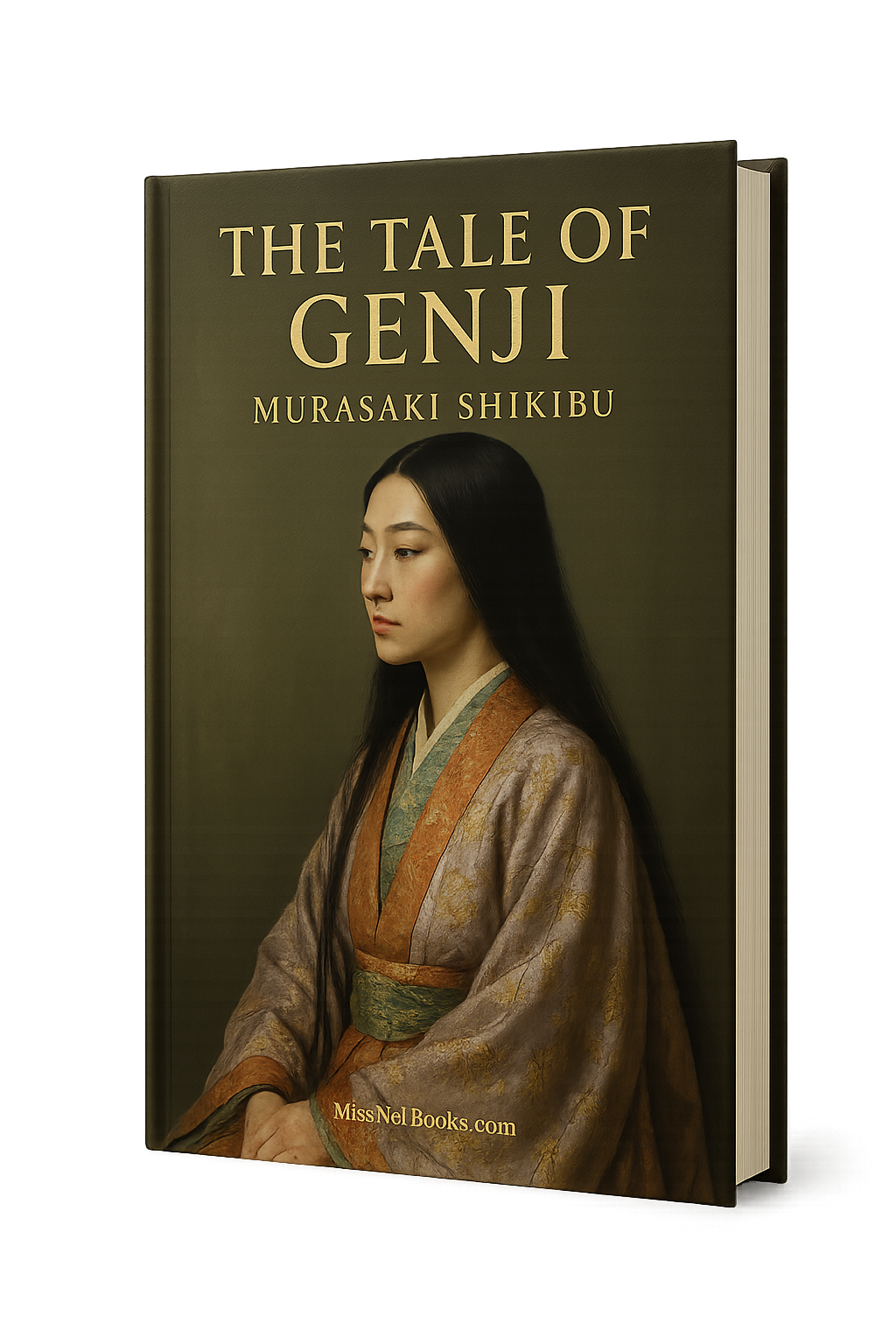
The Tale of Genji
In the annals of literary history, few works stand as tall as one that redefined narrative structure, character development, and emotional depth in storytelling. Its intricate exploration of human relationships, societal norms, and the ephemeral nature of beauty resonates through centuries, influencing generations of writers and readers alike. This seminal text breaks boundaries between poetry and prose, providing a window into the Heian period's culture while simultaneously addressing timeless themes of love, loss, and the passage of time. It revolutionizes how we perceive fiction, making it not just a reflection of life but a profound commentary on the intricacies of existence.
Core Ideas and Main Arguments:
- Psychological Depth: The narrative delves deeply into the interior lives of its characters, exploring their thoughts, dreams, and heartaches, far ahead of its time.
- Social Commentary: It critiques the societal hierarchies and gender dynamics of the era, offering a nuanced perspective on personal agency within structured confines.
- The Transience of Beauty: The recurring theme of mono no aware—the sensitivity to ephemeral beauty—is woven throughout, illustrating how fleeting moments shape human experience.
- Interconnectedness of Relationships: The complexity of romantic and familial ties presents love as both a source of joy and anguish, showcasing the duality of human connection.
Author’s Intentions and Context: Murasaki Shikibu, a lady-in-waiting in the imperial court, wrote this text during a time of profound cultural flourishing and social stratification in Japan. The Heian period was marked by a preoccupation with aesthetics and sensitivity, influenced by interactions among the court's elite. Shikibu’s intention was to craft a narrative that not only entertained but also offered a reflective lens on the lives of women and the nature of relationships in a rigidly hierarchical society. She aimed to document the beauty and transience of life, challenging readers to consider deeper emotional experiences beyond mere societal expectations.
Structure of the Book:
- Introduction to the Main Characters: The first chapters introduce the protagonist, Genji, and his world, setting the stage for the complexities to come.
- Character Development through Encounters: Subsequent sections unfold various romantic entanglements and political interactions, illustrating character evolution.
- Themes of Loss and Yearning: As the narrative progresses, themes of nostalgia and the pain of lost opportunities dominate, reflecting the overarching theme of impermanence.
- Conclusion and Legacy: The later chapters reflect on legacy and memory, bringing closure to the vivid tapestry of interwoven lives, culminating in a philosophical musing on the impact of one's choices.
Key Takeaways:
- Readers will gain insight into the psychological complexities of characters, learning to appreciate the depth of human emotion and connection.
- The work compels reflection on societal limitations and gender roles, igniting discussion on the relevance of historical social structures in contemporary contexts.
- It fosters an appreciation for the art of storytelling, blending poetic beauty with profound themes of human existence.
Why It’s Important to Read: Engagement with this work opens a dialogue about the cultural and emotional landscapes that shape human experiences, making it relevant to scholars and casual readers alike. Its rich narrative and multifaceted characters serve as an essential study for anyone interested in literature, psychology, sociology, or history. Exploring this remarkable piece offers lasting value, encouraging readers to confront their perceptions of love, fate, and the fleeting nature of life.
Impactful Quotes and Analysis:
- "The moss at the foot of the great rock was like a dream; one need only see it to feel the air was heavy with fragrant dew."
- This quote epitomizes the text’s ethereal beauty and the theme of transience, prompting readers to reflect on how fleeting moments can resonate deeply within the human spirit.
- "To live is to suffer, and to suffer is to truly be alive."
- Reflecting on the depth of emotional experience, this statement underlines a central tenet of the narrative: that pain and joy are intertwined, crafting the essence of human existence.
About the Author: Murasaki Shikibu (c. 973 – c. 1014-1031) was a Japanese noblewoman and novelist, most recognized as one of the world's first known novelists. Living during the Heian period, she belonged to a literate and artistic elite, using her courtly experiences to inform her writing. Her work not only laid the foundation for narrative fiction in Japan but also provided insights into the cultural and social underpinnings of her time, cementing her legacy as a pivotal figure in world literature.
Don’t miss the opportunity to engage with one of the most influential works of all time. Buy it today and explore the intricate tapestry of human emotion and societal reflection. This monumental work is The Tale of Genji by Murasaki Shikibu, brought to you for educational purposes by MissNotBooks.com.