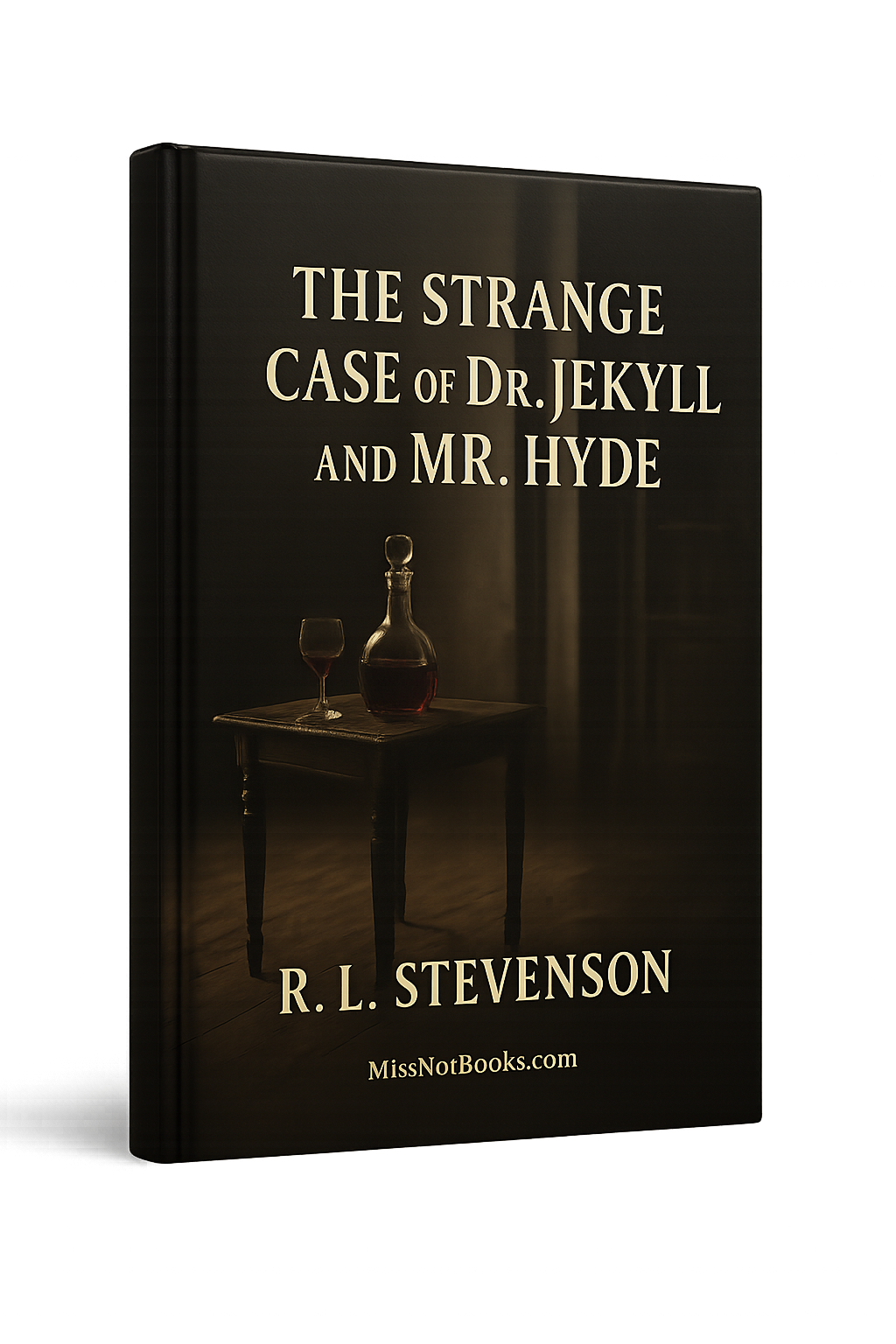
The Strange Case of Dr. Jekyll and Mr. Hyde
At the intersection of Victorian morality and the exploration of duality lies a work that has left an indelible mark on literature and psychology. This transformative text delves into the complexities of human nature, revealing the dual impulses of good and evil that coexist within every individual. Its profound insights into identity, morality, and the darker aspects of humanity revolutionized not only the Gothic genre but also the broader discourse on human psychology, challenging readers to confront their own inner demons. Engaging with this landmark text offers an extraordinary opportunity to reflect on the nature of self and society. Don’t miss the chance to explore the beauty and horror of the human condition—buy it today and discover the intricate dance between virtue and vice.
Core Ideas and Main Arguments
- Duality of Human Nature: The text brilliantly articulates the struggle between good and evil inherent in every person, suggesting that all humans harbor a darker side.
- Identity and Transformation: It explores how societal expectations shape identity and the transformations individuals might undergo in secret, leading to profound moral and ethical dilemmas.
- Consequences of Repression: The narrative highlights the dangers of repressing one's darker instincts, illustrating how such denial can lead to devastating impacts not only on the individual but also on society as a whole.
- Nature of Evil: The work provocatively questions whether evil is an inherent part of human nature or a response to societal pressures, thus inviting readers to reflect deeply on the origins of malevolence.
Author’s Intentions and Context
The author penned this narrative during a time of rapid industrialization and strict moral codes in Victorian society. He aimed to explore the dichotomy of human nature by responding to contemporary anxieties regarding morality, scientific progress, and the darker undercurrents of modernity. The story serves as a powerful allegory for the struggles faced by individuals torn between societal expectations and their own desires. It challenges the Enlightenment belief in rationality and goodness, pushing readers to confront the complexity of human motivation.
Structure of the Book
The work is structured into several key chapters that together weave a compelling narrative:
- The Mysterious Prelude: Introduces the ominous presence of Mr. Hyde, setting the tone for the exploration of duality.
- Dr. Jekyll's Experiments: Delves into Jekyll’s ambitions and the scientific undertones of his experiments.
- Hyde’s Transformation: Highlights the shocking emergence of Hyde and the consequences of Jekyll's on his life.
- The Unraveling: Chronicles the escalating conflict between the two personas, leading to tragic outcomes.
- The Revelation: Culminates in a moment of deep, unsettling clarity about the nature of self and the limits of human control.
Key Takeaways
- Understanding Identity: Readers will gain insights into the complexity of identity and the factors influencing it.
- Moral Reflection: The book invites readers to contemplate their own moral choices and the nature of their instincts.
- Challenging Societal Norms: It encourages critical thinking about societal norms and the repercussions of conforming to them blindly.
- Psychological Awareness: Provides an early exploration of psychological themes that resonate with modern discussions of mental health and self-awareness.
Why It’s Important to Read
This text remains profoundly relevant today as it resonates with ongoing conversations about the dualities that exist within us all. Its exploration of the human psyche, morality, and the consequences of repression speaks to various audiences, from psychologists and philosophers to lovers of classic literature. Anyone seeking to understand the complexities of human behavior and the cultural narratives surrounding good and evil will find this book invaluable.
Impactful Quotes and Analysis
-
“Man is not truly one, but truly two.”
This haunting statement encapsulates the essence of the narrative, reflecting the inherent duality within all humans and challenging readers to examine their own contradictions. -
“I learned to recognize the thorough and primitive duality of man.”
This moment of recognition serves as a pivotal realization, suggesting that understanding this duality is essential to grappling with one’s own nature and the broader human experience. -
“The moment I choose, I can be rid of Mr. Hyde. I give you my hand upon that; and I thank you for your unexampled kindness.”
This line illustrates the deceptive allure of control over one’s darker urges and foreshadows the tragic consequences that come from attempting to deny them.
About the Author
Robert Louis Stevenson (1850–1894) was a Scottish novelist and poet renowned for his adventurous storytelling and lyrical prose. His works often reflected themes of morality, society, and the complexities of human nature. Stevenson’s legacy includes classics that have shaped literature, inspiring countless adaptations and discussions, particularly around identity and dualism in modern psychology.
This monumental work is The Strange Case of Dr. Jekyll and Mr. Hyde by Robert Louis Stevenson, brought to you for educational purposes by MissNotBooks.com.