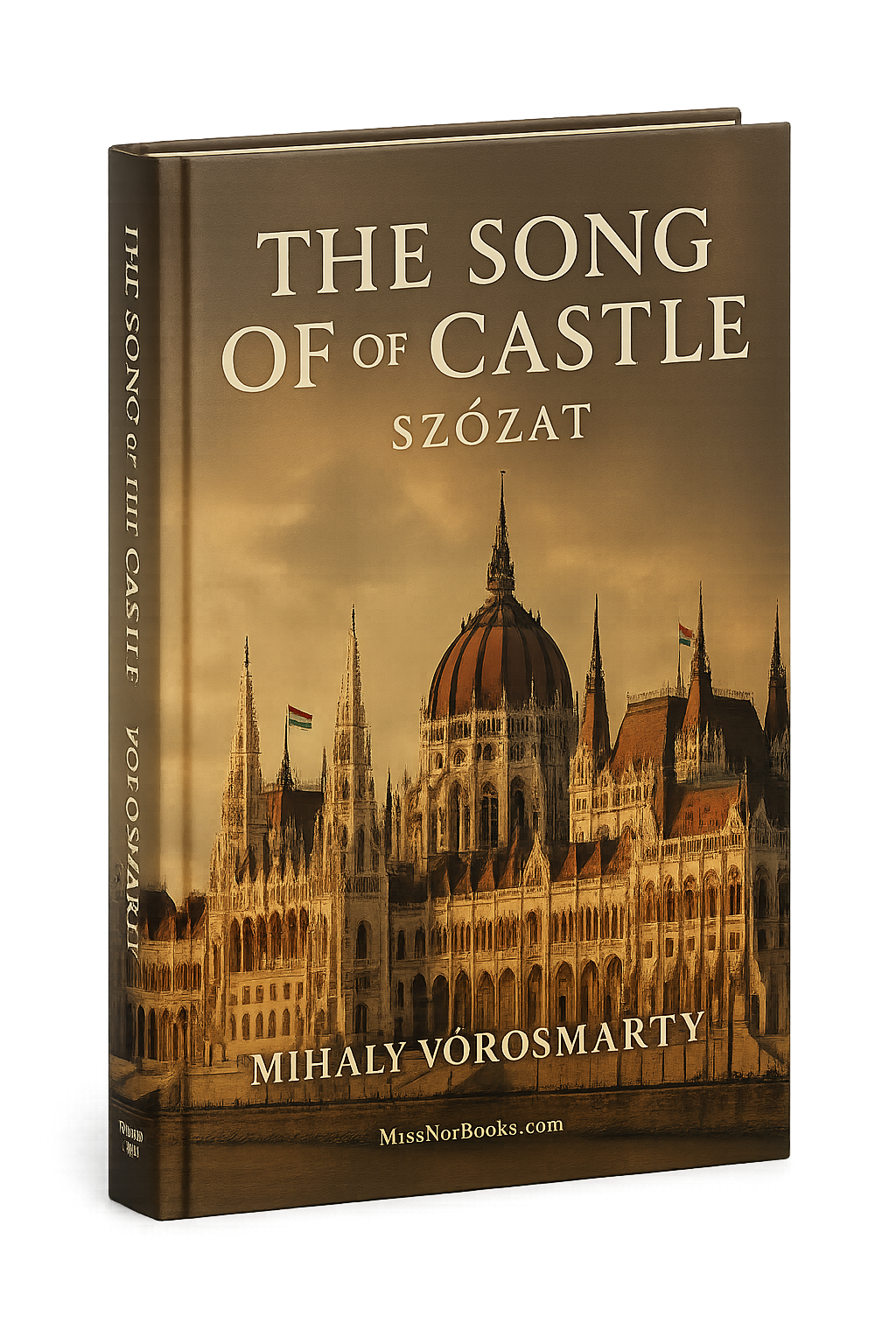
The Song of the Castle (Szózat)
In a world characterized by rapid change and evolving ideologies, certain texts emerge as unwavering beacons of thought and reflection. One such work has played an indispensable role in shaping national identity, poetic expression, and cultural consciousness. This transformative book not only challenges the status quo but also reverberates through the fabric of a society eager to find its voice. By artfully weaving themes of love, duty, and heritage, it induces a profound introspection about the bonds between individuals and their homeland, revolutionizing the realm of poetic discourse and cultural identity.
Core Ideas and Main Arguments:
- Patriotism and Love for One’s Country: The book reinforces a deep emotional connection to one's homeland, articulating a vision of love that transcends the individual and connects to the collective.
- Existential Reflection: It provokes contemplation on the nature of existence, the role of humanity in the face of destiny, and the pursuit of a meaningful life anchored in one’s roots.
- The Call to Unity: It champions the idea of national unity, urging individuals to recognize their shared struggles and triumphs for a common cause.
- Duality of Nature: The text reflects on the duality found in human existence, utilizing nature as a metaphor for the complexities of life and the beauty inherent in struggle.
Author’s Intentions and Context: The author sought to inspire a sense of unity and resilience within a nation grappling with its historical identity during a time of political upheaval. Responding to the socio-political environment of the early 19th century, they aimed to create a work that not only serves as a lyrical testament to patriotism but also addresses broader philosophical questions about existence and purpose. The work emerges from a cultural backdrop marked by a burgeoning national consciousness, emphasizing the importance of shared heritage and collective aspirations.
Structure of the Book: The book is carefully structured to guide the reader through a journey of emotional and intellectual exploration. It begins with evocative imagery of the homeland, transitioning into reflections on personal and collective identity. Subsequent sections delve into themes of sacrifice and the eternal connection individuals maintain to their ancestral roots, culminating in a powerful declaration of national pride. Each chapter builds upon the previous, creating a rich tapestry of thought that aligns with the overall thesis of resilience and unity.
Key Takeaways:
- The importance of understanding one’s heritage as a foundation for personal and national identity.
- Recognition of the role of love—both for one’s homeland and humanity—in shaping individual purpose.
- The call for collective action and responsibility in the face of adversity.
- An appreciation for the beauty found in struggle and the natural world.
Why It’s Important to Read: This work remains profoundly relevant, serving as a critical touchstone for anyone interested in the intersections of cultural identity, nationalism, and personal reflection. Readers from all backgrounds will find inspiration in its exploration of duty to one’s country and humanity. Artists, poets, and philosophers will particularly benefit from its rich imagery and emotional depth, while anyone seeking a deeper connection to their own identity and values will resonate with its powerful themes.
Impactful Quotes and Analysis:
-
“Noble is the soul that embodies its land; it sings the heart's language.”
This quote underscores the intrinsic link between selfhood and national identity, highlighting the idea that our deepest emotions are tied to the places we call home. -
“In the tempest of life, our roots anchor us; together we withstand the storm.”
Here, the author poignantly encapsulates the importance of unity and shared experiences, emphasizing that collective strength is vital in the face of life’s challenges. -
“Love is the banner under which we rise; it binds us across time and space.”
This line speaks to the powerful, unifying force of love, asserting its role as a foundational element in both personal and national identity.
About the Author: Mihály Vörösmarty (1800-1855) was a Hungarian poet, playwright, and one of the most significant figures in Hungarian literature. Known for his lyrical prowess and patriotic themes, Vörösmarty's work reflects the cultural renaissance of Hungary in the 19th century. His legacy continues to inspire generations, reaffirming the vital connection between literature and national identity.
Don’t miss the opportunity to engage with one of the most influential works of all time. Buy it today and explore the roots of national identity through poetic expression. This monumental work is The Song of the Castle (Szózat) by Mihály Vörösmarty, brought to you for educational purposes by MissNotBooks.com.