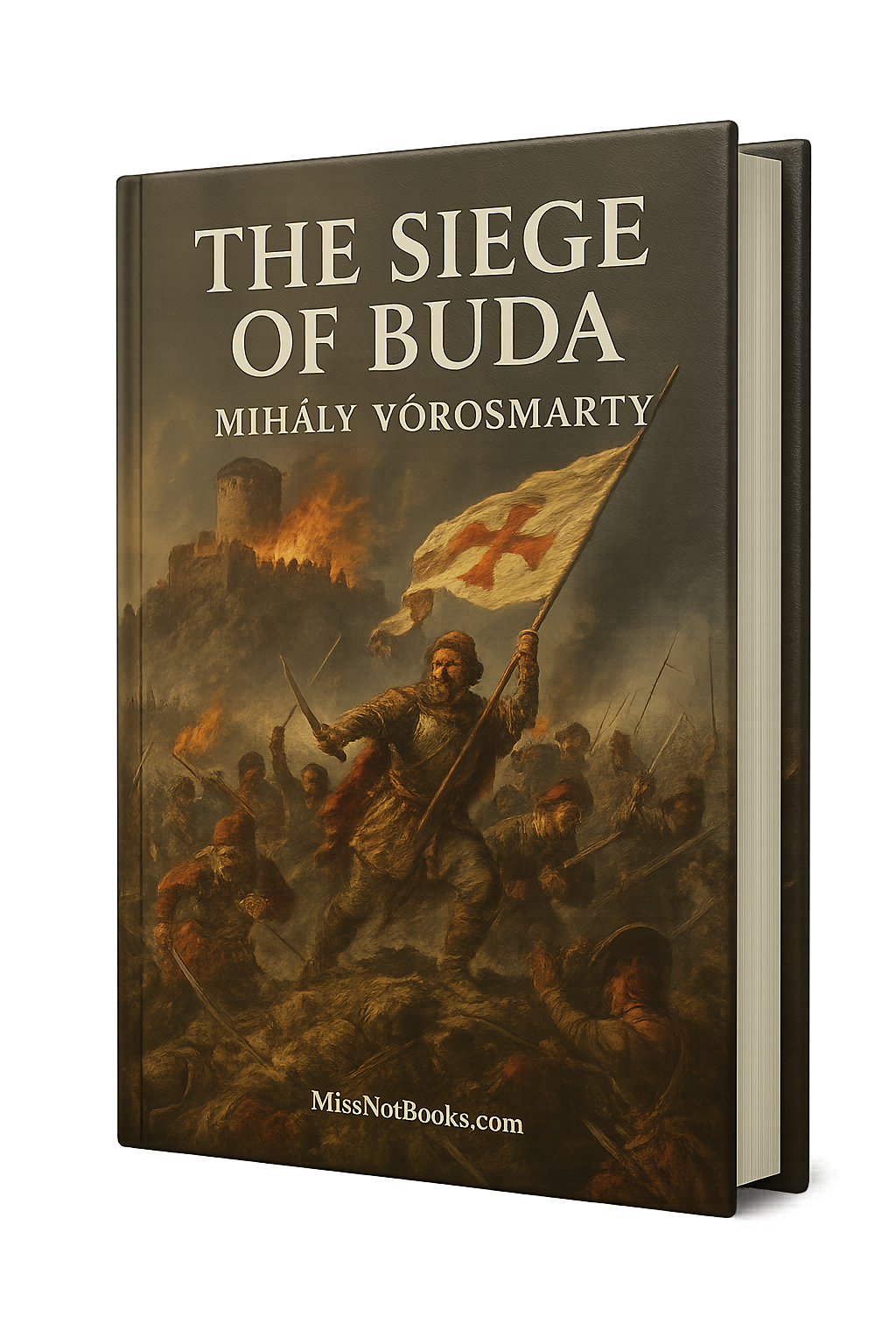
The Siege of Buda (Budavár bevétele)
In the annals of literature and cultural consciousness, few works possess the power to reshape perceptions and alter the course of nations as profoundly as this historically significant book. It stands as a pillar of national identity, echoing the struggles and triumphs of a people at a time of great upheaval. Its pages are drenched in a potent blend of patriotism, philosophical inquiry, and emotional depth, inspiring generations to reflect on their history, identity, and aspirations. The book not only revolutionized the way individuals think about nationhood and loyalty but also challenged contemporary notions of duty and bravery, forever altering the landscape of literary expression in its wake.
Don’t miss the opportunity to engage with one of the most influential works of all time. Buy it today and explore the roots of national consciousness and human spirit.
Core Ideas and Main Arguments
- National Identity: The work intricately weaves themes of national pride and identity into its narrative, asserting the importance of these concepts in the tumultuous sociopolitical landscape of its time.
- Heroism and Sacrifice: It delves deep into the notions of heroism, illustrating how personal sacrifice is often intertwined with the fate of the collective.
- Historical Reflection: Through vivid storytelling, the book serves as a historical lens, illustrating the struggles of its characters against the backdrop of significant events in history.
- Moral Imperatives: The author poses profound moral questions about duty, loyalty, and the limits of individual action in the face of oppression.
Author’s Intentions and Context
The author crafted this work during a period marked by both cultural renaissance and national turmoil. In the wake of repeated conflicts and foreign dominations, the intent was to motivate and elevate the spirit of the Hungarian people while grappling with their place in a rapidly changing world. The narrative responded to a burgeoning sense of nationalism and the philosophical inquiries surrounding liberty and identity that were prevalent at the time. The author sought not just to entertain, but also to instill hope and encourage deep reflection on both personal and collective responsibility.
Structure of the Book
- Introduction: Sets the historical context and establishes the thematic groundwork for the insights to follow.
- The Development of Conflict: A series of chapters detailing confrontations and the evolution of characters, serving to build tension and highlight the central themes of sacrifice and loyalty.
- Climactic Encounters: The penultimate chapters explore the height of struggle, merging personal and collective narratives seamlessly, leading to profound revelations.
- Resolution and Reflection: The final sections provide a reflective conclusion that encapsulates the overarching messages, offering insights into the future of the nation and its people.
Key Takeaways
- A deepened understanding of how literature can encapsulate and elevate national sentiments.
- An exploration of the complexities of heroism as not merely physical bravery, but also moral courage.
- Insights into the continuous interplay between individual destinies and historical forces that shape them.
Why It’s Important to Read
This book remains a touchstone for anyone seeking to understand the intricate tapestry of national identity, personal sacrifice, and the moral dilemmas faced by individuals during times of crisis. Its exploration of themes still resonates today, making it pertinent for scholars, students of history, and anyone interested in the literary representation of social consciousness. Whether you are grappling with questions of identity in a globalized world or seeking to connect with the emotional core of a nation's struggle, this book offers invaluable perspectives.
Impactful Quotes and Analysis
-
“In the heart of the storm, courage finds its true compass.”
This quote embodies the essence of the book—highlighting that true bravery is often revealed in the most challenging circumstances, inspiring readers to hold steadfast in their convictions. -
“A nation’s fate rests not only in the hands of its leaders but in the hearts of its people.”
This powerful statement reflects a core message of the author: that collective action and individual resolve are essential in navigating historical challenges, urging readers to recognize their role in shaping history. -
“The shadows of history may loom large, but the light of hope never fades.”
This poignant remark conveys a message of resilience, encouraging readers to understand that hope can serve as a guiding force through adversity, reinforcing the book's overarching themes of perseverance and aspiration.
About the Author
Mihály Vörösmarty (1800-1855) was a Hungarian poet and playwright regarded as one of the pivotal figures in Hungarian literature. His work is characterized by a blend of romanticism and national consciousness, and he is celebrated for his contributions to the Hungarian literary renaissance. Vörösmarty's legacy includes inspiring movements for national self-determination and cultural rejuvenation, and his works continue to resonate within the fabric of Hungarian identity and pride.
This monumental work is The Siege of Buda by Mihály Vörösmarty, brought to you for educational purposes by MissNotBooks.com.