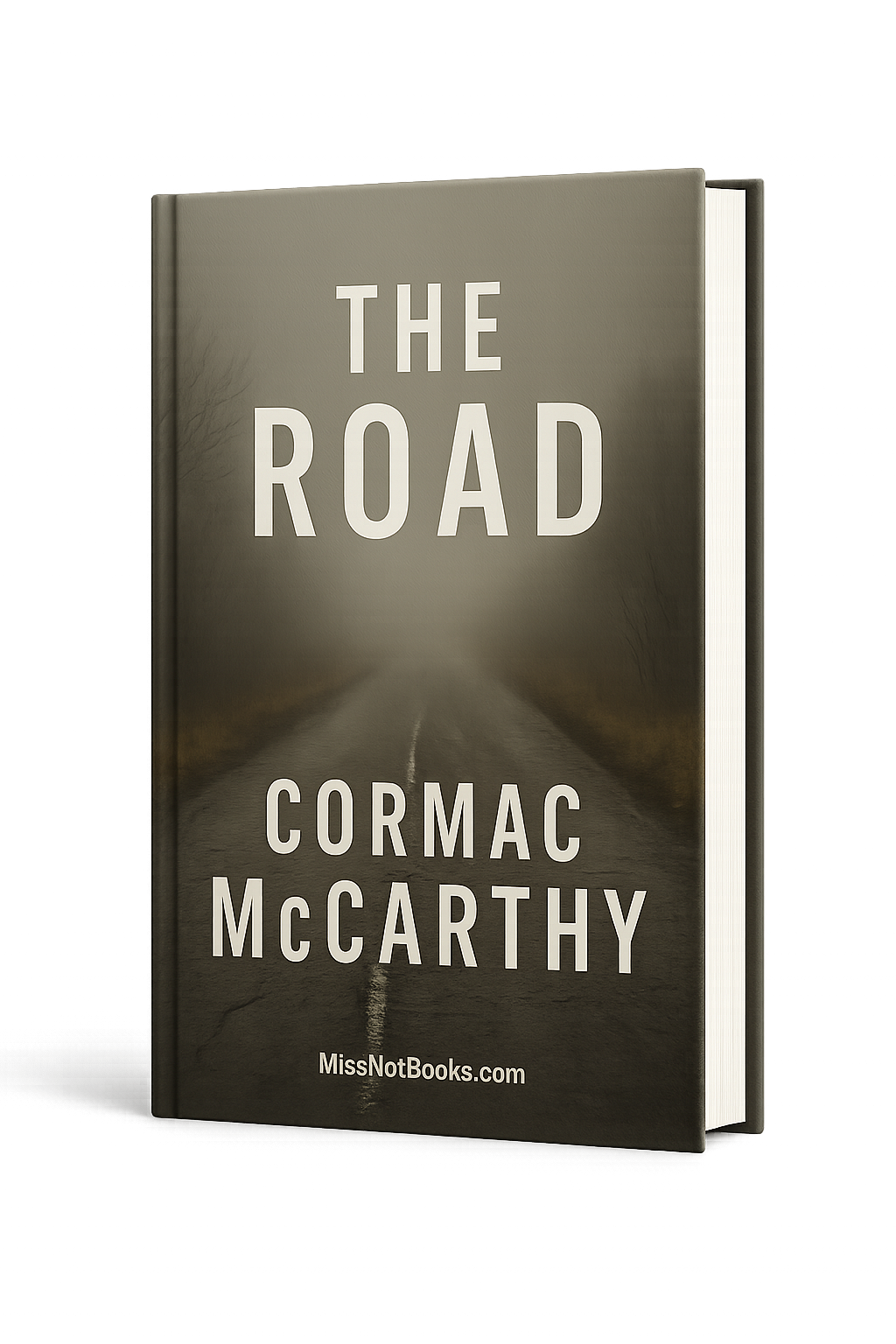
The Road
In the realm of modern literature, few works have so profoundly altered the landscape of storytelling as the narrative that immerses us in a bleak yet poignant journey through a post-apocalyptic world. This book serves as a haunting meditation on survival, love, and the indomitable human spirit amid the ashes of civilization, challenging readers to confront the fragility of society and the essence of what it means to be human. Its unflinching examination of despair coupled with the enduring bonds of familial love strikes a chord that resonates across generations, leaving an indelible mark on literary and cultural thought.
Don’t miss the opportunity to engage with one of the most influential works of all time. Buy it today and explore the depths of human resilience and the quest for meaning in a desolate landscape.
Core Ideas and Main Arguments
- Survival vs. Morality: The struggle to maintain ethical values in a world where societal structures have collapsed. The narrative poses challenging questions about the cost of survival.
- Father-Son Relationship: A poignant examination of parental love and the lengths to which one will go to protect their child in an unforgiving environment.
- Desolation and Hope: The contrasting imagery of a dead world filled with ash and the flickers of hope that guide the characters through their journey.
- The Nature of Humanity: A philosophical inquiry into what it means to be human when stripped of civilization, highlighting both brutality and compassion.
Author’s Intentions and Context The author sought to capture the essence of the human condition amidst catastrophic loss. Emerging against the backdrop of increasing global anxieties about environmental decay and societal breakdown, this narrative could not be more timely. The book responds to existential crises spawned by war, disaster, and choices that threaten our very existence, inspiring reflection on the morals that must guide humanity even in its darkest times.
Structure of the Book The narrative unfolds in a linear progression, taking the reader through stages of despair, determination, and survival. Each chapter reveals new challenges faced by the protagonists:
- Introduction to the World: An opening that establishes the desolate setting and the dire circumstances of the characters.
- Journey Milestones: Each section represents unique trials that deepen the exploration of the father-son dynamic and the moral dilemmas they encounter.
- Climactic Confrontations: A buildup of tension as the protagonists encounter remnants of humanity, leading to critical realizations about trust and survival.
Key Takeaways
- The profound connection between family members can provide strength in even the direst situations.
- Moral integrity remains essential, even when the world around us has crumbled.
- Resilience and hope can coexist with despair, driving individuals forward despite overwhelming odds.
Why It’s Important to Read This narrative remains critically relevant today, serving as a stark reminder of the tenuous nature of civilization and the enduring spirit of humanity. Readers of all backgrounds—those interested in philosophy, survival narratives, or emotional depth—will find valuable insights into their own lives and societies. It is a powerful exploration of love against the backdrop of loss, urging us to reconsider our own values and connections.
Impactful Quotes and Analysis
-
“You forget what you want to remember, and you remember what you want to forget.”
This reflection highlights the malleability of memory in trauma, illuminating how survival alters perception of the past and presents a poignant truth about the human experience. -
“The boy was all that stood between him and death.”
This stark statement reinforces the central theme of parental love as both motivation and redemption in a world devoid of hope, emphasizing the lengths to which one would go for love. -
“Carry the fire.”
A recurring motif that symbolizes hope and humanity, this phrase encapsulates the essence of the struggle for survival in a desolate world and serves as a beacon for maintaining one's values.
About the Author Cormac McCarthy, born on July 20, 1933, is an acclaimed American novelist whose works have garnered multiple awards, including the Pulitzer Prize. McCarthy is known for his sparse yet powerful prose and his explorations of themes such as violence, survival, and the human condition. Leaving behind a literary legacy that has profoundly influenced contemporary fiction, he invites readers to delve into the darkest aspects of existence while highlighting the resilience of the human spirit.
This monumental work is The Road by Cormac McCarthy, brought to you for educational purposes by MissNotBooks.com.