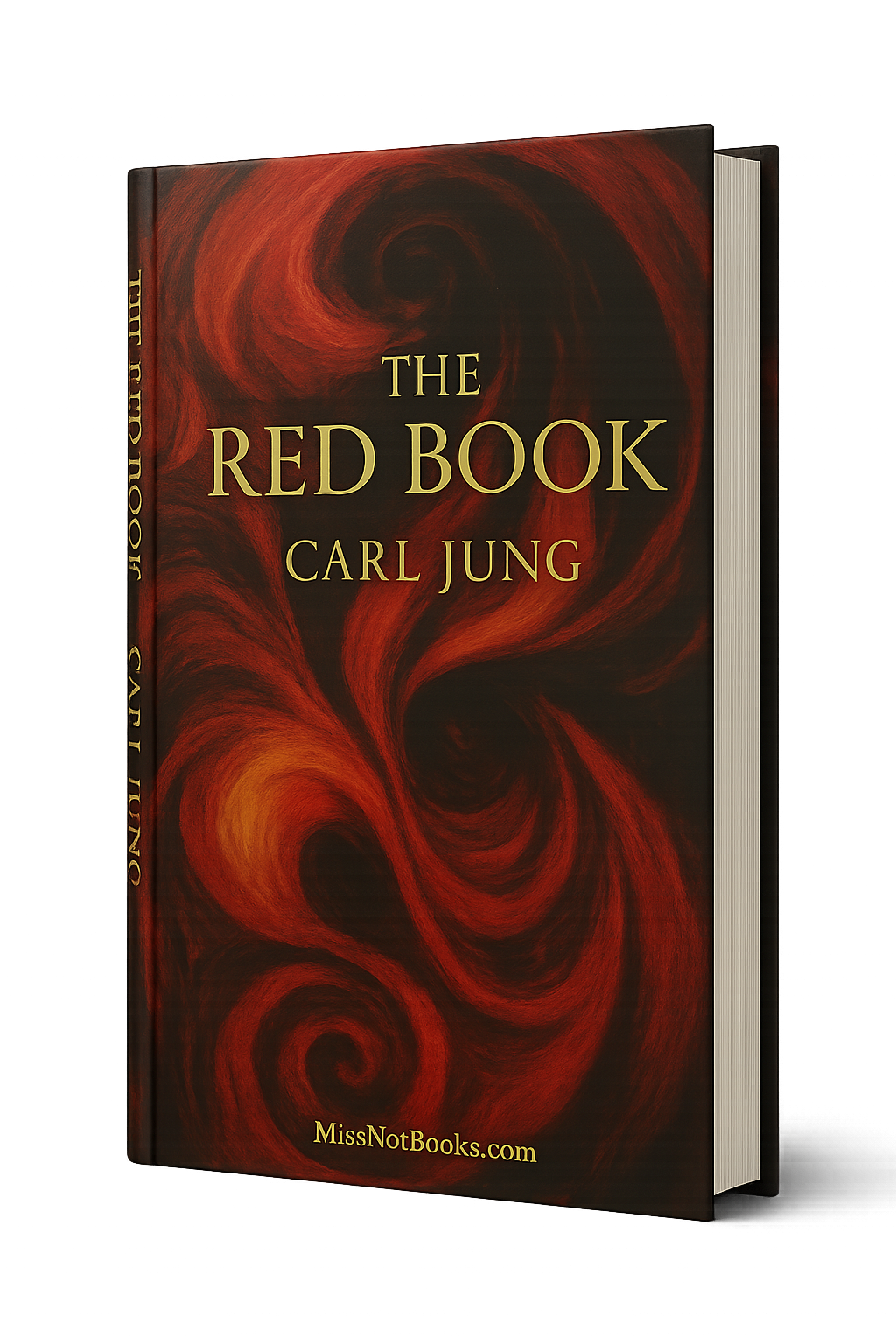
The Red Book
In a world defined by the constraints of rational thought and empirical evidence, one book emerged that profoundly transformed our understanding of the psyche and the very fabric of human consciousness. This text revolutionized the study of psychology, providing readers with a vivid exploration of the inner workings of the mind and the complexities of the human experience. It challenged the prevailing notions of identity, culture, and spirituality, inspiring generations to delve into the realms of the unconscious and the symbolic. The impact of this work transcends the academic sphere, speaking to anyone striving for self-understanding, personal growth, and a deeper connection to their inner world. Don’t miss the opportunity to engage with one of the most influential works of all time. Buy it today and explore the depths of the human soul.
Core Ideas and Main Arguments
- Dialogue with the Unconscious: The text introduces the concept of the unconscious as a vital aspect of personal development, urging readers to engage with this hidden part of themselves.
- Archetypes and Symbols: It examines universal symbols and archetypes, providing a framework for understanding shared human experiences across different cultures and times.
- Individuation: The book emphasizes the process of individuation, the journey toward personal wholeness and self-realization, highlighting its importance in achieving psychological balance.
- Myth and Personal Narrative: It intertwines personal mythology with broader cultural narratives, suggesting that our individual stories are interwoven with humanity’s collective history.
Author’s Intentions and Context
Written during a time of intense personal and societal upheaval in the early 20th century, the author sought to map the landscape of the human psyche in a way that integrated both the rational and the mystical. Responding to the fragmented worldview of contemporary society, the book aimed to revive an understanding of the unconscious as a powerful force that shapes our thoughts, behaviors, and identities. The author endeavored to create a dialogue between psychology and art, inviting readers to confront the chaotic and often tumultuous aspects of life.
Structure of the Book
The work is organized into several key sections that guide the reader through a journey of self-exploration:
- Introduction to the Unconscious: Lays the groundwork for understanding the psyche's complex layers.
- Explorations of Symbols: Dives into various archetypes and their manifestations in dreams and art.
- The Process of Individuation: Discusses the steps and challenges involved in achieving self-awareness and personal growth.
- Reflections on Spirituality: Concludes with a reflection on the intersection of the personal and the sacred, addressing the deeper yearnings of the human spirit.
Key Takeaways
- Engaging with the unconscious is essential for personal growth and understanding.
- The symbols and archetypes present in our collective cultures provide deep insights into individual experiences.
- The journey of individuation is not only psychological but also existential, impacting how we relate to ourselves and others.
- Recognizing our personal narratives in the wider context of human history can empower us to make sense of our lives.
Why It’s Important to Read
This book remains a vital text for anyone interested in psychology, self-improvement, or spirituality. Its insights into the human condition continue to resonate, providing frameworks for understanding our actions, motivations, and dreams. Whether you are a student of psychology, a curious individual seeking personal insights, or a professional wanting to incorporate a deeper understanding of the psyche into your practice, this book offers a rich tapestry of knowledge that enriches the exploration of self.
Impactful Quotes and Analysis
-
“Your visions will become clear only when you can look into your own heart. Who looks outside, dreams; who looks inside, awakes.”
This powerful statement captures the essence of self-exploration, emphasizing that true clarity comes from within, prompting readers to reflect on their inner lives. -
“The privilege of a lifetime is to become who you truly are.”
Here, the author underscores the significance of self-discovery as a lifelong journey, inviting one to embrace the complexity of their identity as part of their unique experience. -
“I am not what happened to me, I am what I choose to become.”
This impactful quote redefines agency, reminding readers that while we cannot control all events in our lives, our responses and choices shape our paths.
About the Author
Carl Jung (1875-1961) was a Swiss psychiatrist and psychoanalyst who founded analytical psychology. His theories on the collective unconscious, archetypes, and psychological archetypes transformed psychological thought and enriched the fields of psychology, art, religion, and philosophy. Jung's legacy endures through his profound insights into the human psyche, influencing countless disciplines and inspiring individuals to embark on their path of self-discovery.
This monumental work is The Red Book by Carl Jung, brought to you for educational purposes by MissNotBooks.com.