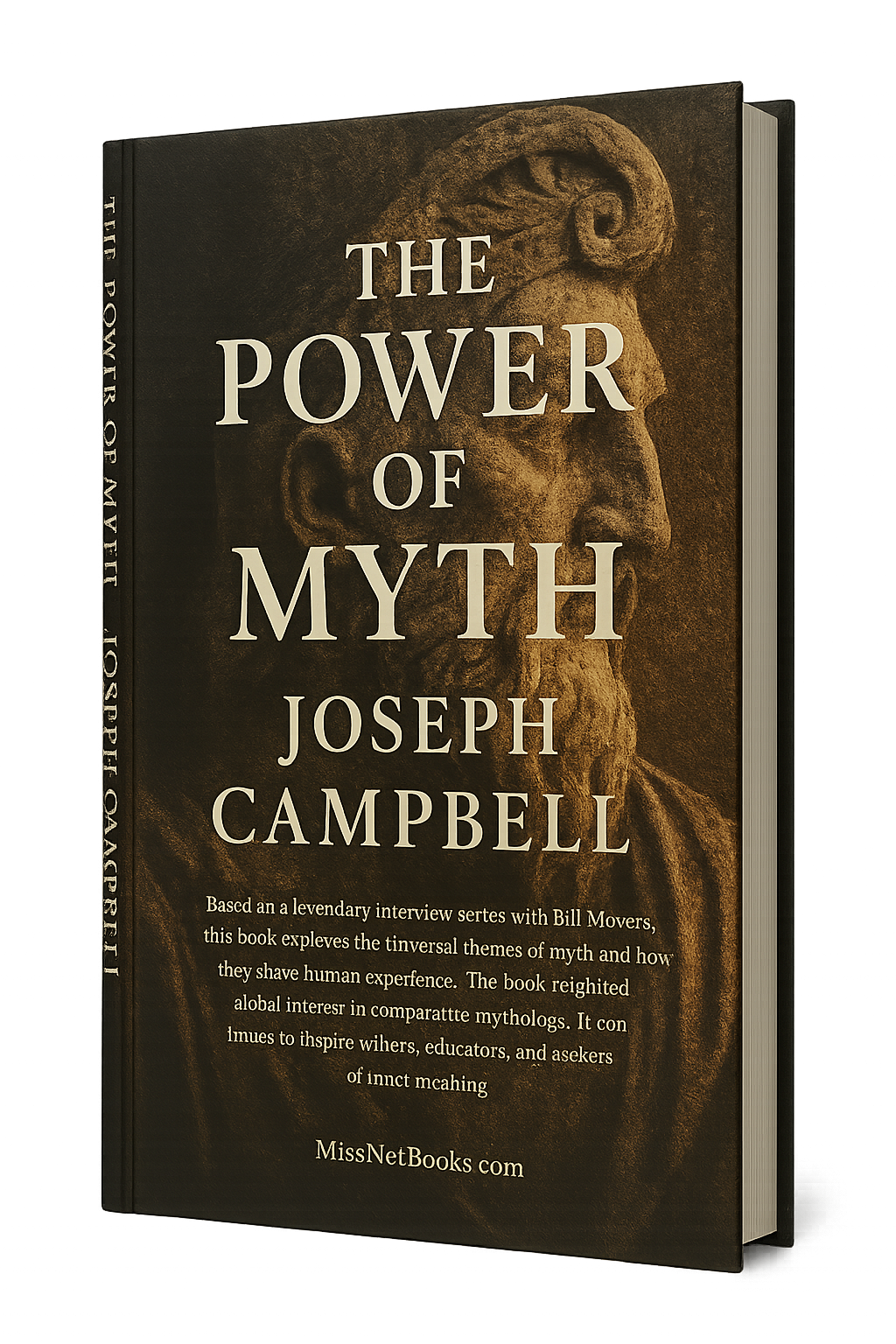
The Power of Myth
In the realm of literature and storytelling, a particular work has emerged as a beacon of transformative insight, illuminating the intricate weave of human experience through the lens of myth. This book not only delves into the depths of mythology but also reveals its profound and often overlooked significance in the human story. By challenging conventional perceptions and expanding our understanding of narrative, it serves as a powerful reminder of the interconnectedness of cultures and the timeless truths embedded within their stories. Its groundbreaking approach to analyzing myth has paved the way for contemporary discussions in psychology, spirituality, and culture, ultimately revolutionizing our comprehension of what it means to be human.
Core Ideas and Main Arguments
- The Hero’s Journey: Introduces the archetypal journey of the hero that transcends individual cultures, illustrating the universal patterns in myths.
- Myth and Reality: Explores the relationship between myth and the human experience, affirming that myths hold significant truths about the struggles and fears inherent in life.
- Cultural Synchronicity: Emphasizes the common threads across different cultures, promoting an understanding of shared human experiences and values.
- Transformation Through Storytelling: Acknowledges the power of myths to enact personal and societal transformation, providing a framework for self-discovery and healing.
- Spiritual and Psychological Insights: Connects mythology with psychological archetypes, offering insights into the unconscious mind and the role of myth in shaping human consciousness.
Author’s Intentions and Context
The author embarked on a profound exploration of myths against the backdrop of a rapidly modernizing world. The mid-20th century was a time of shifting values and existential questioning, influenced by the aftermath of two world wars and the rise of consumerism. By illuminating the significance of myths in contemporary life, the author aimed to bridge the gap between ancient wisdom and modern existential dilemmas. The book challenges readers to reassess the narratives they live by, inviting them into a deeper understanding of how mythology shapes our worldview and personal identity.
Structure of the Book
The book is structured around thematic discussions that culminate in a cohesive narrative:
- Introduction to Myth: Sets the stage for understanding the essential role of myth in human society.
- The Hero’s Journey: Detailed exploration of the archetype, with various cultural examples illustrating its universality.
- Myths of Power and Wisdom: Analyzes different types of myths and their impact on individuals and societies.
- Mythical Symbols: Discusses the significance of symbols in myths and their interpretations in various cultures.
- The Role of Myth in Modern Life: Concludes with reflections on how the lessons of myth can guide personal growth and understanding in a contemporary context.
Key Takeaways
- Myths encapsulate universal truths that resonate across cultures.
- The hero’s journey serves as a metaphor for personal growth and self-discovery.
- Understanding mythology can foster greater cultural empathy and insight.
- Engaging with myths can lead to transformational experiences and deeper personal meaning.
Why It’s Important to Read
This work remains vital in today’s world, where disconnection from our historical narratives is prevalent. It offers valuable insights not just for those interested in literature and psychology, but also for anyone seeking a greater understanding of cultural heritage and human psychology. Readers of philosophy, spirituality, and the arts will find this book an enriching resource, as it invites them to appreciate the deep currents of tradition and mythology that continue to shape modern thought and identity.
Impactful Quotes and Analysis
-
“Myth is the map of the human experience.”
- This powerful statement encapsulates the notion that myths provide a guiding framework, helping individuals navigate the complexities of existence and find meaning in their lives.
-
“The cave you fear to enter holds the treasure you seek.”
- This metaphorical insight urges readers to confront their fears and insecurities, suggesting that true growth often lies just beyond our discomfort.
-
“We must let go of the life we have planned, so as to accept the one that is waiting for us.”
- This quote highlights the necessity of embracing uncertainty and evolution, a central theme that encourages readers to remain open to the transformative power of life’s unpredictability.
About the Author
Joseph Campbell (1904–1987) was a renowned American mythologist, writer, and lecturer whose work explored the universal themes found in myths. He gained widespread acclaim for his contributions to comparative mythology and comparative religion, influencing countless artists, writers, and thinkers. Campbell's ideas on the hero's journey and the significance of myth have become foundational in understanding narrative and its role in culture, making his legacy one of profound influence in both academia and popular culture.
Don’t miss the opportunity to engage with one of the most influential works of all time. Buy it today and explore the foundation of modern mythology. This monumental work is The Power of Myth by Joseph Campbell, brought to you for educational purposes by MissNotBooks.com.