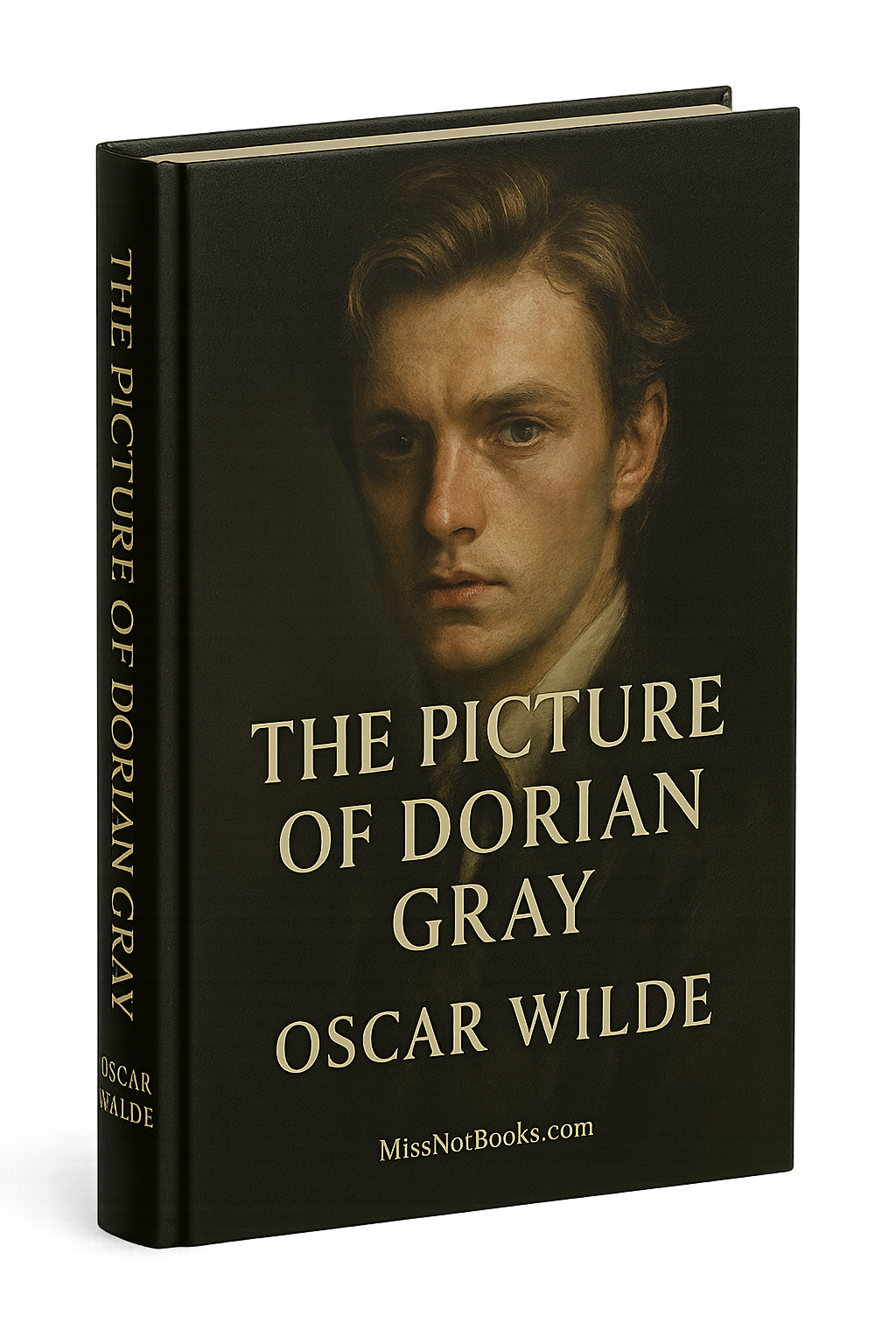
The Picture of Dorian Gray
In a world increasingly driven by appearances, one groundbreaking narrative has woven its way into the fabric of modern thought, challenging the very essence of morality and the pursuit of beauty. This seminal work interrogates the nature of self and the consequences of a life lived without accountability, introducing a lens through which we can examine the interplay between aestheticism and ethics. Its revolutionary ideas have spurred profound debates in philosophical, artistic, and sociopolitical realms, establishing itself as a cornerstone in the literary canon.
Don’t miss the opportunity to engage with one of the most influential works of all time. Buy it today and explore the profound implications of beauty and morality.
Core Ideas and Main Arguments
- The Duality of Beauty and Corruption: The narrative highlights the seductive power of beauty, juxtaposed with the moral decay it can engender.
- Consequences of a Hedonistic Lifestyle: The story vividly illustrates the fallout of pursuing hedonism without moral restraint, offering cautionary tales steeped in realism.
- The Nature of Identity: The protagonist’s transformation raises questions about the nature of the self and the societal expectations tied to physical appearance.
- Art and Reality: It probes at the conflict between artifice and authenticity, challenging readers to consider the distinction between reality and representation.
Author’s Intentions and Context
The author crafted this narrative during the late Victorian era, a time marked by strict moral codes and a burgeoning interest in individualism and aestheticism. Wilde sought to provoke thought and dialogue regarding the constraints placed on personal expression and the inherent conflict of moral hypocrisy present in society. By showcasing the life of a man who becomes ensnared by his own desires, the work serves as a critique of a culture enamored with outward appearance while neglecting the soul’s integrity.
Structure of the Book
The work unfolds in a seamless progression that effectively mirrors the protagonist's journey:
- Introduction: Establishes setting and characters, planting the seeds of the central themes.
- Rising Action: Explores Dorian’s initial life and his growing obsession with beauty and youth.
- Climax: Captures the pivotal moment of transformation as Dorian confronts the consequences of his choices.
- Falling Action: Chronicles the descent into hedonism and moral ambiguity, revealing the dark repercussions of a life led by vanity.
- Conclusion: Delivers a resolute and provocative end, solidifying the book’s central messages about ethics and existence.
Key Takeaways
- The Immutable Self: Readers will grapple with the idea that while one’s appearance may change, one's essence and the choices made cannot be escaped.
- Art’s Impact on Life: The narrative reinforces the profound influence art can have on our perceptions and choices.
- The Price of Aestheticism: Engaging with this tale forces readers to confront the potential detriments of prioritizing beauty over substance.
Why It’s Important to Read
This work remains profoundly relevant in contemporary society, where the pressures of aesthetic perfection and superficiality continue to grow. It provides a valuable lens for readers to reflect on their own lives and values, making it not only a literary exploration but also a cautionary tale for those navigating their paths in an image-obsessed world. Students, artists, philosophers, and general readers alike will find insightful reflections that resonate with modern dilemmas regarding identity, morality, and the cost of beauty.
Impactful Quotes and Analysis
-
“The only way to get rid of a temptation is to yield to it.”
This powerful statement encapsulates the seductive nature of desire and challenges the reader to consider their own responses to temptation and moral dilemmas. -
“Experience is simply the name we give our mistakes.”
Here, Wilde poignantly captures the human condition, reminding us that life’s lessons often come wrapped in missteps, inviting readers to reflect on their own journeys of growth.
About the Author
Oscar Wilde, born on October 16, 1854, in Dublin, Ireland, and died on November 30, 1900, was a prominent playwright, poet, and author noted for his sharp wit and astute social commentary. His works delved into themes of aesthetics, morality, and societal norms, establishing him as one of the most influential figures of the Victorian literary scene. Wilde’s legacy endures, as his incisive observations of human nature and societal hypocrisy continue to resonate with audiences today.
This monumental work is The Picture of Dorian Gray by Oscar Wilde, brought to you for educational purposes by MissNotBooks.com.