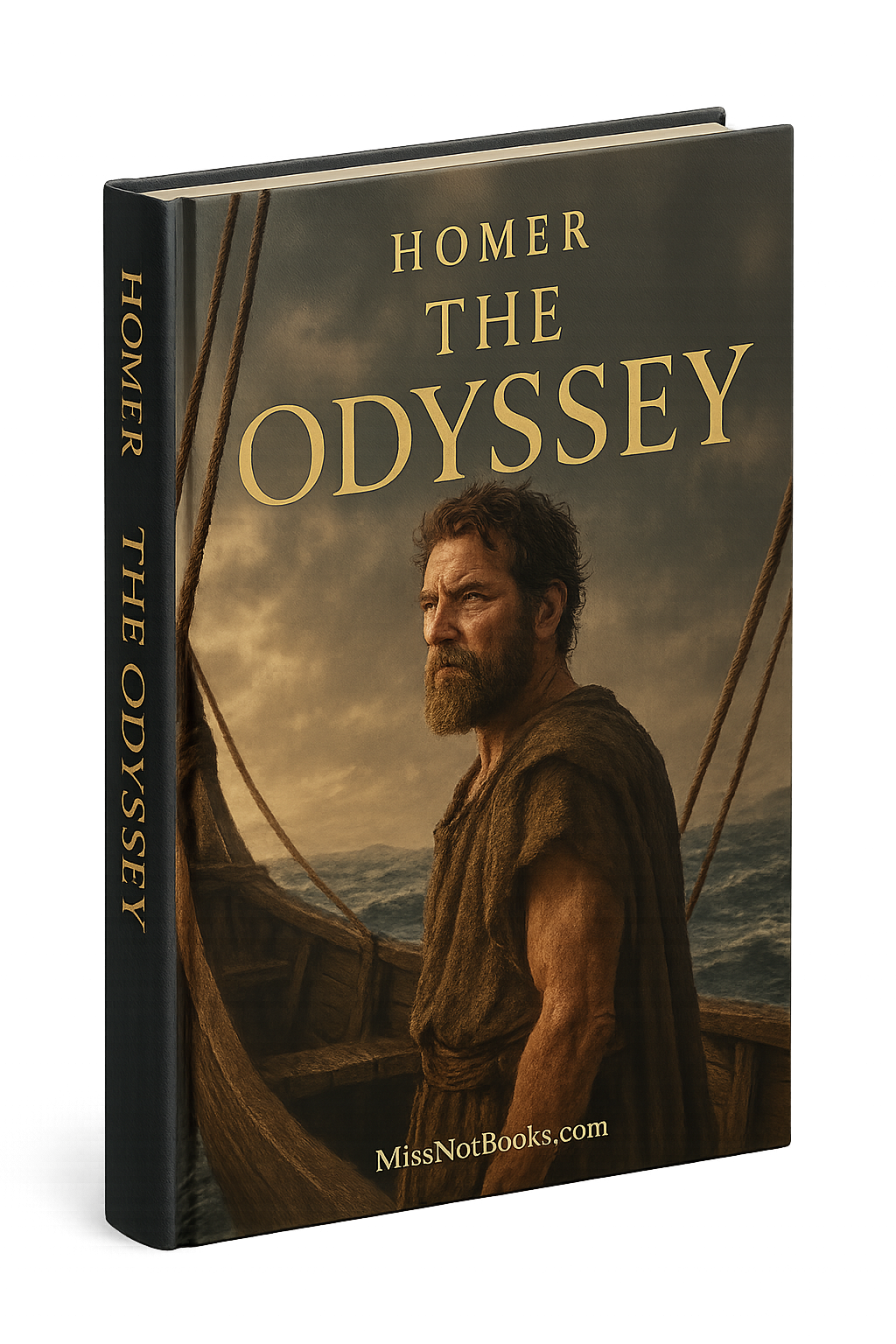
The Odyssey
Overview of a Transformative Work
In an era where storytelling shapes cultural identity and collective consciousness, one seminal work has transcended time, reshaping the very fabric of narrative and human experience. This book not only revolutionized the genre of epic poetry but also introduced profound themes of heroism, mortality, and the complex journey of self-discovery. Its enduring legacy continues to challenge our perceptions of adventure, loyalty, and the intersection of fate and free will, making it a cornerstone of Western literature and thought.
Don’t miss the opportunity to engage with one of the most influential works of all time. Buy it today and explore the roots of epic storytelling, heroism, and the timeless human quest for belonging.
Core Ideas and Main Arguments
- Heroic Journeys: The narrative centers on the protagonist's arduous journey home, illustrating the archetypal hero's journey and the trials faced along the way.
- Themes of Loyalty and Betrayal: Central to the text are the characters' loyalties—both romantic and familial—testing the bonds between individuals and their responsibilities.
- The Quest for Identity: The journey serves as a metaphor for self-discovery, revealing how experiences shape one's identity and destiny.
- Divine Intervention: The gods play an integral role, illustrating the tension between fate and freewill and the influence of the divine in mortal affairs.
- Cultural Values: The text reflects the societal values of the time, emphasizing honor, bravery, and the consequences of one’s choices.
Author’s Intentions and Context
This work was crafted during a period in which oral tradition dominated storytelling, serving as both entertainment and education. The author aimed to immortalize the tales of ancient heroes against a backdrop of mythological complexity, addressing the existential queries of humanity. Responding to the cultural milieu of ancient Greece, this epic not only entertained but also provided moral guidance, addressing the philosophical challenges of autonomy, fate, and divine influence that perplexed the society of the time.
Structure of the Book
- Invocation to the Muse: The narrative begins with an invocation, setting the stage for an epic journey and engaging the reader's imagination.
- Protagonist's Plight: The detailed account of the hero's struggles against mythical creatures and divine forces evokes a sense of empathy and urgency.
- Interludes and Subplots: Interwoven tales deepen the text, exploring themes of love, revenge, and the complexities of human relationships.
- Resolution and Return: The climax and ultimate resolution bring a sense of closure, reaffirming the values of perseverance and loyalty.
Key Takeaways
- Heroism is Flawed: True strength is depicted not through invulnerability but through resilience and the ability to confront adversity.
- Identity is Fluid: Personal growth occurs through challenges, reflecting the journey of life as multifaceted and continuous.
- Interconnectedness of Fate: Human lives are portrayed as interconnected with divine influence, prompting readers to reflect on their own agency.
Why It’s Important to Read
This work remains a vital read for anyone interested in the interplay of myth, history, and human psychology. Its themes resonate across generations, providing insight into the universal struggles of humanity. Scholars, students, and literary enthusiasts alike will find it indispensable, as it underscores the enduring power of storytelling in shaping our understanding of life and our place within it.
Impactful Quotes and Analysis
-
“Of all the creatures that breathe and move upon the earth, nothing is bred that is weaker than man.”
This quote encapsulates the fragility of human existence, reflecting on our vulnerabilities while simultaneously advocating for a deeper understanding of human resilience. -
“There is a time for many words, and there is also a time for sleep.”
Here, the author signals the balance necessary in life between action and rest, urging readers to contemplate the rhythm of their own lives. -
“The journey is the thing.”
A profound encapsulation of the central message: it is not merely the destination that matters, but the experiences and lessons learned along the way.
About the Author
Homer, believed to have lived in the 8th century BCE, is regarded as one of the greatest ancient Greek poets, profoundly influencing Western literature. Though little is known about his life, he is often credited with composing seminal works that have set the foundation for epic storytelling and poetic form. His legacy endures, continuing to inspire countless adaptations and interpretations throughout history, ensuring that his tales remain integral to the collective human narrative.
This monumental work is The Odyssey by Homer, brought to you for educational purposes by MissNotBooks.com.