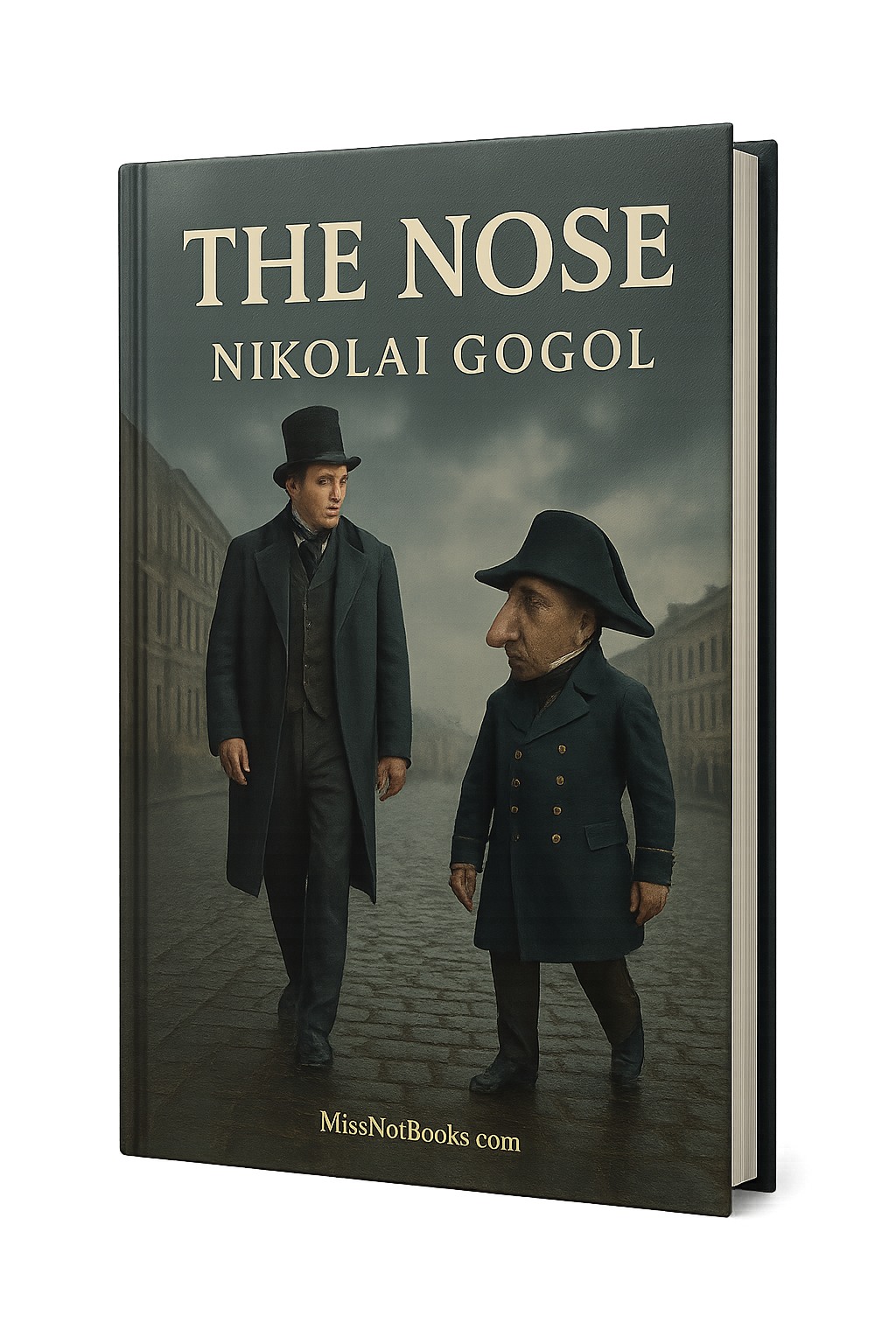
The Nose
Overview of a Transformative Literary Work
In the landscape of literature, few works have the power to transcend their time and stir the cultural consciousness like this extraordinary novella. In a remarkable fusion of absurdity and deep social commentary, this text revolutionized our understanding of identity, alienation, and the interplay between reality and the surreal. Through its daring exploration of one man's bizarre and unwelcome transformation, the narrative challenges established norms about human existence and societal expectations, leaving an indelible mark on literature and philosophy.
Don’t miss the opportunity to engage with one of the most influential works of all time. Buy it today and explore the uncanny depths of identity and the absurdities of modern existence.
Core Ideas and Main Arguments
- Identity and the Self: The novella confronts the fluid nature of personal identity, illustrating how external perceptions can distort one's sense of self.
- Absurdity of Bureaucracy: It critiques the rigid systems of bureaucracy that dehumanize individuals, reflecting a society obsessed with rank and appearance.
- Social Satire: The work serves as a biting satire of contemporary Russian society, exposing the folly and superficiality of social hierarchies.
- Transformation and Alienation: The protagonist's transformation into an inanimate object symbolizes profound alienation, illustrating the absurd lengths to which one’s personal crises can extend.
Author’s Intentions and Context
The author aimed to reflect the anxieties and absurdities of 19th-century Russian society, responding to the superficial values that permeated the social and bureaucratic landscape of his time. As the nation grappled with modernity, questions of self-worth, individuality, and the very nature of existence emerged as pressing philosophical challenges. This work sought to lay bare those struggles and parody the ridiculousness of social pretensions and the human condition itself.
Structure of the Book
The novella is structured in a straightforward yet impactful manner:
- Introduction of the Protagonist: It begins with the life of an ordinary man, setting the stage for his extraordinary predicament.
- The Transformation: The pivotal event occurs when the protagonist mysteriously loses his nose, launching the narrative into absurd territory.
- The Quest: Following the protagonist’s frantic attempts to reclaim his lost appendage, the story probes deeper into societal reactions to his plight.
- Resolution: The novella culminates in a thought-provoking conclusion, leaving readers to reflect on the implications of the absurd journey.
Key Takeaways
- The fluidity of identity is portrayed through metaphorical transformation, shedding light on societal pressures.
- The critique of bureaucracy emphasizes themes of dehumanization and social absurdity.
- Readers are invited to reflect on the nature of reality and the often absurd constructs of social life.
Why It’s Important to Read
This novella remains profoundly relevant in today's world, where questions of identity and social perception continue to resonate. It offers insight not only into the nature of self amidst societal expectations but also serves as a vehicle for humorous yet critical reflection on current societal issues. Those engaged in literature, psychology, sociology, and cultural studies will find invaluable perspectives that challenge their understanding of the human experience.
Impactful Quotes and Analysis
-
“What do you want with me? I lost myself!”
This poignant expression encapsulates the sense of existential crisis that pervades the work, emphasizing the desperation of losing one's sense of self amid societal chaos. -
“A nose is not merely a nose; it is a status, a position.”
This reveals the absurdity with which individuals often perceive status, highlighting the ridiculousness of societal preoccupations with appearance and rank. -
“Life is a series of absurdities, played out for the bemusement of the universe.”
This reflection encapsulates the novella’s thematic essence, inviting readers to consider the comedic tragedy of existence.
About the Author
Nikolai Gogol (1809-1852) was a Ukrainian-born Russian writer and playwright, renowned for his unique ability to blend the fantastical and the mundane. His works often contain elements of dark humor and social criticism, making him a foundational figure in both Russian literature and the broader cultural canon. Gogol's legacy lives on as a pioneering voice that laid the groundwork for future literary movements, particularly the absurdist and grotesque.
This monumental work is The Nose by Nikolai Gogol, brought to you for educational purposes by MissNotBooks.com.