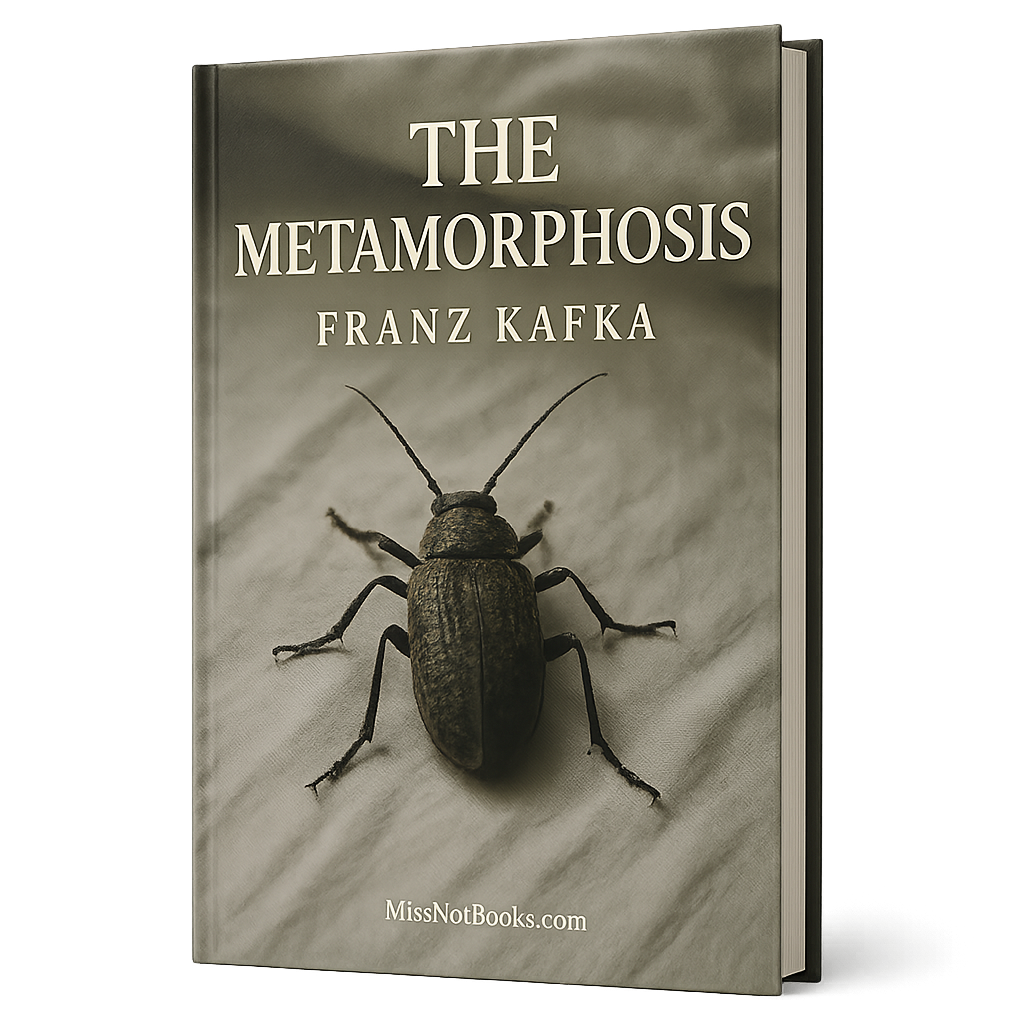
The Metamorphosis
Few literary works have possessed the profound ability to reshape our understanding of human existence and societal norms as a particular novella that delves into the absurdity of life and the plight of the individual within it. This transformative text has not only challenged our perceptions of identity and meaning but has also revolutionized the genre of existential literature. Its haunting exploration of alienation and self-estrangement resonates deeply with readers, prompting them to question the fabric of their own realities and societal roles.
Don’t miss the opportunity to engage with one of the most influential works of all time. Buy it today and explore the profound depths of human isolation and the complex nuances of identity.
Core Ideas and Main Arguments
- Alienation of the Individual: The protagonist's bewildering transformation into an insect serves as a metaphor for societal estrangement, reflecting the alienation felt by many in the modern world.
- Critique of Societal Norms: The narrative poignantly critiques the rigid expectations of work and family, illustrating how they can dehumanize individuals and lead to profound isolation.
- Existential Reflection: The work invites readers to contemplate the nature of existence and the absurdity of life, highlighting the struggles inherent in the search for meaning.
- Impact of Transformation: Gregor Samsa’s metamorphosis serves as a catalyst for examining personal identity and the relationship between an individual and their social roles.
Author’s Intentions and Context
The author sought to illustrate the deep disconnection felt by individuals within the rapidly industrializing society of the early 20th century. Emerging from a background steeped in existential and surrealist thought, the author was responding to the pervasive sense of anxiety and alienation that characterized modern life. This book aimed to confront the philosophical and cultural challenges of identity, purpose, and the human condition in a mechanized, uncaring world.
Structure of the Book
The novella is structured into three distinct parts, each contributing to the protagonist's tragic arc:
- The Transformation: The story begins with Gregor's inexplicable change and establishes his new reality, setting the tone for his struggle against societal expectations.
- Family Dynamics: The subsequent sections explore the reactions of Gregor's family as his condition complicates their lives, revealing tensions and shifts in familial roles.
- Isolation and Decline: The final part encapsulates Gregor's complete alienation and eventual demise, underscoring the consequences of societal neglect and the fragility of human relationships.
Key Takeaways
- The notion of identity is profoundly impacted by external perceptions and societal roles.
- Modern existence is inherently tied to feelings of isolation, highlighting the ongoing struggle to find personal significance.
- True understanding of self often comes through painful experiences and confrontation with absurdity.
Why It’s Important to Read
This work remains a cornerstone of modern literature, its themes echoing in today’s conversations about identity, mental health, and societal pressures. Readers seeking insight into the human condition, those grappling with feelings of alienation, and anyone interested in the evolution of philosophical thought will find value in its pages. Its relevance is timeless, offering critical reflections that resonate across generations.
Impactful Quotes and Analysis
-
"I cannot make you understand. I cannot make anyone understand what is happening inside me. I cannot even understand it myself."
This quote encapsulates the profound disconnection between internal experience and external perception, a central theme in the narrative. -
"He was a tool of the trade."
This stark statement underscores the dehumanization inherent in roles dictated by societal expectations, illustrating the tension between personal identity and external demands. -
"The quest for authenticity can lead to disintegration."
This powerful reflection on the pursuit of true self evokes the poignant struggle faced by many in their quest for meaning amid societal pressure.
About the Author
Franz Kafka (1883-1924) was an influential Czech-born writer, whose works have left an indelible mark on 20th-century literature. Often regarded as one of the most significant figures in existential literature, Kafka's unique blend of surrealism and psychological insight continues to inspire readers and writers alike. His exploration of themes such as alienation, guilt, and absurdity has shaped modern thought and resonates with the complexities of contemporary life.
This monumental work is The Metamorphosis by Franz Kafka, brought to you for educational purposes by MissNotBooks.com.