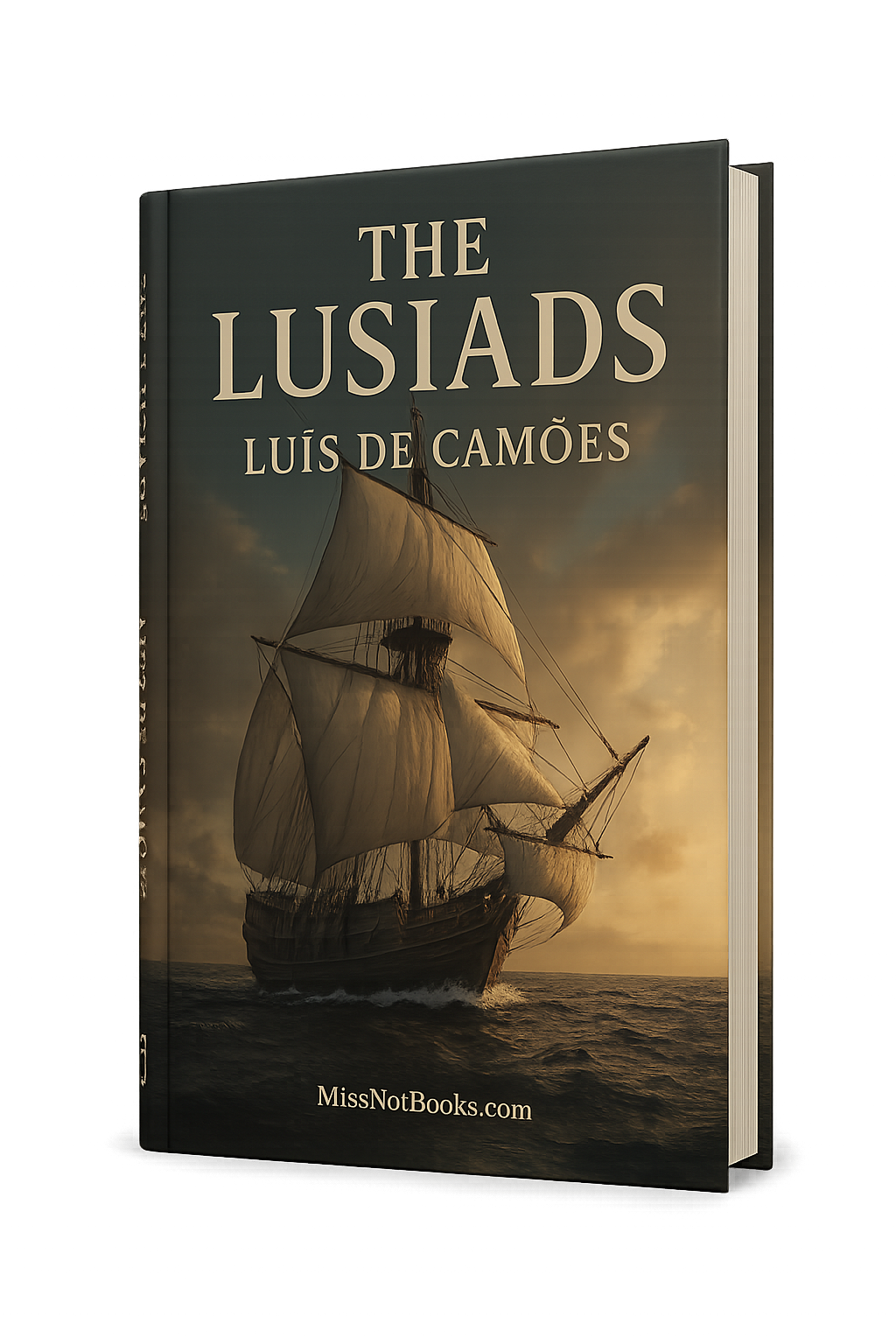
The Lusiads
In a literary world often dominated by epics that glorify battles and valor, one pivotal work ventured far beyond the traditional paradigms of heroism, introducing a narrative deeply intertwined with the exploration of humanity itself. This extraordinary poem deftly weaves together themes of discovery, national identity, and the struggles of the human spirit amid the vastness of the unknown. Its sweeping imagery and profound insights challenge readers to reflect on their own journeys and the price of ambition, marking a transformative shift in the way literature can portray the complexities of both the individual and society. Don’t miss the opportunity to engage with one of the most influential works of all time. Buy it today and explore the foundation of modern literary epic.
Core Ideas and Main Arguments
- The Human Condition: The poem explores the dichotomy of triumph and tragedy, portraying the explorer's psychological landscape as they navigate the seas and their own ambitions.
- Cultural Intersections: It reveals the complexities of encounters between civilizations, showcasing both the enlightenment and darkness inherent in exploration.
- Divine Influence: The invocation of gods and fate emphasizes the tension between human agency and divine intervention, questioning to what extent individuals are masters of their destinies.
- Heroism Redefined: Rather than mere tales of conquest, it delves into the moral and ethical dilemmas faced by its characters, redefining what true heroism means.
Author’s Intentions and Context
Luís de Camões crafted this epic during a period marked by Portugal’s sea explorations and its cultural flourishing in the 16th century. Faced with a rapidly changing world that was both exciting and perilous, he intended to celebrate Portuguese identity while simultaneously questioning the societal and personal sacrifices made for glory. This work sought to address the philosophical challenges of an age characterized by imperial ambition, revealing how these pursuits impact the human soul.
Structure of the Book
- Introduction: Sets the stage for the journey of Vasco da Gama and the Portuguese explorers.
- Cantos: Divided into ten cantos, each chronicles different phases of the sea voyage while interspersing tales of mythical and historical figures that resonate with the themes of ambition, destiny, and moral ambiguity.
- Conclusion: Reflects on the broader implications of exploration, emerging as a profound commentary on the costs and consequences tied to national pride and personal ambition.
Key Takeaways
- The interplay between ambition and morality shapes the core narrative.
- A critical lens on colonialism reveals the complexities of cultural encounters.
- The influence of fate and divine will challenges the notion of free will.
- The work serves as a reflection on the costs of exploration, both at sea and within the human spirit.
Why It’s Important to Read
This vast tapestry of narrative and introspection is as pertinent today as it was during its inception. Readers from varying backgrounds—literature enthusiasts, historians, philosophers, and those intrigued by the intricacies of human nature—will find a reflection of their own quests within its verses. The themes of ambition, identity, and the deep moral questions regarding exploration resonate with our contemporary lives, challenging us to consider the implications of our own pursuits in an ever-expanding world.
Impactful Quotes and Analysis
-
“A journey of a thousand miles begins with a single step.”
This line reflects the foundational belief in perseverance and the courage to venture into the unknown, mirroring the explorer’s journey and life itself. It emphasizes that significant achievements are born out of humble beginnings. -
“To know and not to act is to not truly know.”
This powerful assertion highlights the moral imperative behind knowledge. It calls upon readers to engage deeply with their understanding and to align their insights with action, making it a timeless exhortation for personal and collective responsibility. -
“The sea, which delights the soul and is terrible, is also a merciless teacher.”
The dual nature of the sea symbolizes the broader scope of existence, blending beauty and peril, often offering profound lessons through adversity. This speaks to the transformative journeys we all undertake in search of understanding.
About the Author
Luís de Camões (c. 1524–1580) stands as a towering figure in Portuguese literature, renowned primarily for his epic poetry, which has transcended cultural and temporal boundaries. Often regarded as Portugal's national poet, his seminal works reflect the richness of human experience through vivid imagery and philosophical depth. His legacy endures in the realms of literature and exploration, calling readers to confront the profound complexities of their own lives.
This monumental work is The Lusiads by Luís de Camões, brought to you for educational purposes by MissNotBooks.com.