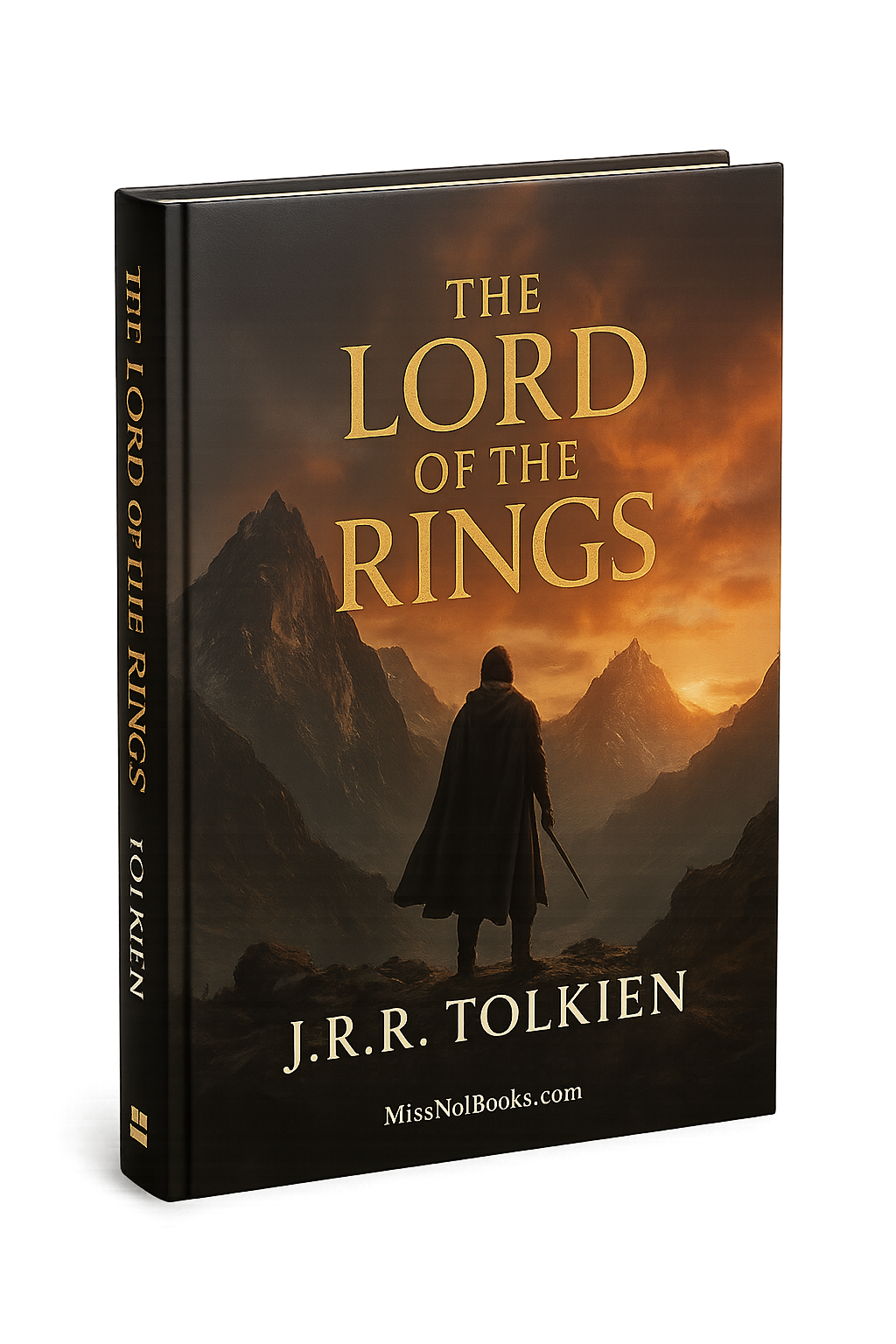
The Lord of the Rings
In an era marked by unprecedented turmoil, a monumental narrative emerged that would forever change the landscape of fantasy literature and popular culture. This groundbreaking book transported readers to an intricately crafted world, one imbued with timeless themes of heroism, friendship, and the enduring struggle between good and evil. Its influence has rippled through generations, reshaping storytelling conventions and inspiring countless works across diverse mediums. By weaving together mythology, linguistics, and deep moral inquiry, this work has successfully redefined the boundaries of imagination and creativity.
Core Ideas and Main Arguments
- The Hero's Journey: The protagonist's transformational arc symbolizes the universal journey of growth, sacrifice, and redemption through trials.
- Good vs. Evil: A profound exploration of moral dichotomies, demonstrating how choices shape one's destiny and the world around them.
- Community and Fellowship: The narrative emphasizes the strength found in unity and the importance of diverse alliances to overcome great challenges.
- The Corruption of Power: A critical examination of how power can corrupt, illustrated through the interactions with the One Ring and its influence on various characters.
- Nature and Industrialism: A poignant reflection on humanity’s relationship with nature versus the encroachment of industrialization, serving as a commentary on environmental ethics.
Author’s Intentions and Context
The author, inspired by his experiences during the First World War and influenced by his love of ancient myths and languages, sought to create a monumental mythos relevant to his tumultuous times. Writing in a period marked by rapid industrial change and the rise of totalitarianism, he aimed to articulate the enduring human spirit, the fragility of peace, and the eternal battle against darkness—both external and internal. His ambition was to engage the reader's sense of wonder and morality, offering not just entertainment, but lasting insights into the human condition.
Structure of the Book
The narrative unfolds in a trilogy, each part meticulously developed to escalate the stakes and deepen the thematic complexity:
- Book One: Introduces the Shire and the Fellowship, establishing the foundation of friendship and purpose.
- Book Two: Chronicles the journeys and battles faced by the Fellowship, revealing character development and the weight of choices.
- Book Three: Moves toward the climax and resolution, showcasing immense struggles and culminating in the ultimate confrontation between good and evil. Each section intricately interweaves plot and themes, creating a rich tapestry of adventure and moral exploration.
Key Takeaways
- Resilience in Adversity: True strength often arises from the smallest of individuals.
- Choice and Consequence: Every decision has weight, shaping the fabric of the world and our experiences.
- Value of Friendship: Connections foster courage and enable individuals to achieve greatness together.
- Legacy of Myths: Stories endure as vehicles of truth, reflecting ancient wisdom while teaching future generations.
Why It’s Important to Read
This work remains a cultural touchstone, inviting readers to explore not only a fantastical realm but also deep questions about moral courage, integrity, and the power of hope. Its relevance transcends its genre, appealing to those interested in philosophy, ethics, literature, and the human experience. Those seeking inspiration to navigate their own life challenges or looking to understand the roots of contemporary storytelling will find profound insight within these pages.
Impactful Quotes and Analysis
-
“Even the smallest person can change the course of the future.”
This statement encapsulates the core theme of individual agency and the monumental impact that seemingly insignificant actions can wield in shaping history. -
“Not all those who wander are lost.”
This line speaks to the essence of exploration, suggesting that the journey itself can lead to enlightenment and purpose, not merely the destination. -
“There is some good in this world, and it’s worth fighting for.”
A clarion call that underscores the importance of hope and perseverance amidst despair, reinforcing the idea that moral conviction drives the struggle against evil.
About the Author
John Ronald Reuel Tolkien (1892–1973) was an English writer, philologist, and professor who was pivotal in the development of modern fantasy literature. Best known for his richly depicted worlds and languages, he laid the groundwork for future authors and inspired a plethora of adaptations in film, gaming, and beyond. His legacy transcends literature, shaping the cultural landscape and igniting the imaginations of millions.
Don’t miss the opportunity to engage with one of the most influential works of all time. Buy it today and explore the beauty of human imagination. This monumental work is The Lord of the Rings by J.R.R. Tolkien, brought to you for educational purposes by MissNotBooks.com.