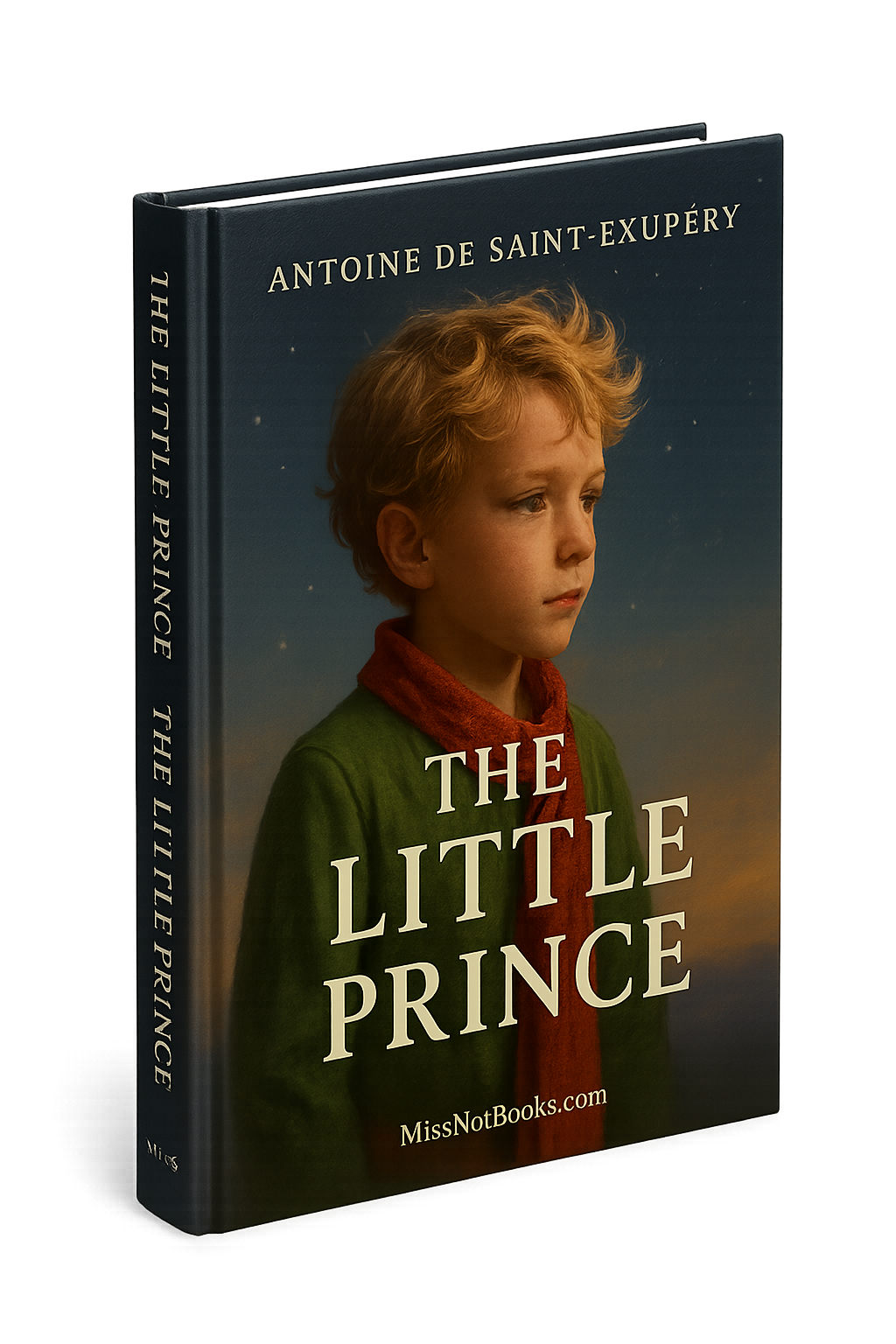
The Little Prince
In a world often tangled by complexities and distractions, one profound narrative invites us back to the essence of life and the purity of human connection. This timeless story powerfully revolutionizes our understanding of childhood, love, and the often-overlooked wisdom that lies within simplicity. Its impact transcends generations, stretching across cultures, and challenging readers to reflect on what truly matters amidst the chaos of adulthood. The reflection it inspires serves as a catalyst for personal transformation, compelling individuals to reconnect with a sense of wonder. Don’t miss the opportunity to engage with one of the most influential works of all time. Buy it today and explore the beauty of human relationships.
Core Ideas and Main Arguments
- The Value of Innocence: The book emphasizes the insights and authenticity found in a child's perspective, suggesting that adults often lose sight of what is truly important.
- Connection and Love: It explores deep human connections through relationships, particularly highlighting the bonds between the narrator and the little prince, representing love in its purest form.
- Critique of Adult Perspectives: The narrative challenges conventional adult priorities, exposing the absurdities of grown-up concerns and materialism that overshadow genuine joy and companionship.
- The Journey of Self-Discovery: Through various encounters, the protagonist illustrates the significance of personal growth and understanding one's own heart in the pursuit of meaning.
Author’s Intentions and Context
Written against the backdrop of World War II, the author sought to create a narrative that transcended the bleak realities of his time. This work was intended to remind adults of the wisdom inherent in childhood beliefs and experiences. Antoine de Saint-Exupéry, drawing from his own experiences as a pilot and his reflections on human nature, aimed to address the disconnection and cynicism prevalent in war-torn society. By weaving together themes of love, loss, and existential inquiry, he challenged readers to reconsider their values and return to a more innocent understanding of the world.
Structure of the Book
The text is structured around a series of enchanting encounters between the narrator and various characters, each contributing to the overarching themes:
- The Opening: Introduces the narrator's simplistic view of adult life and the beginning of his journey in the desert.
- The Meetings with Different Characters: Each character the little prince meets—such as the king, the vain man, the fox, and the rose—offers a unique lesson, collectively reinforcing the book's message.
- The Conclusion: Culminates in a powerful realization of love and loss, inviting profound contemplation on the nature of relationships and what is truly essential in life.
Key Takeaways
- Rediscovering Childhood Innocence: Readers are reminded of the importance of viewing the world through the lens of a child, maintaining curiosity and wonder.
- The Power of Relationships: The narrative underscores the richness of genuine connections, teaching that what matters is often invisible to the eye.
- Questioning Adult Values: It confronts societal norms and priorities, urging readers to seek deeper meanings beyond material pursuits.
Why It’s Important to Read
This book remains deeply relevant today, imploring readers to reflect on their own lives and relationships in a fast-paced, often superficial world. Its cultural and philosophical insights resonate across age groups, making it essential reading for anyone seeking meaning—whether one is a child, an adult lost in worldly pursuits, or an elder reflecting on life’s journey. It challenges us to prioritize love, connections, and the simple joys that define our human experience.
Impactful Quotes and Analysis
-
“All grown-ups were once children… but only few of them remember it.”
This line captures the essence of the book's message, emphasizing how adulthood often leads to the loss of innocence and wonder, urging readers to reclaim their childlike perspective. -
“You become responsible, forever, for what you have tamed.”
This powerful statement speaks to the deep ownership and responsibility involved in relationships, underscoring the complexities of love and commitment. -
“It is only with the heart that one can see rightly; what is essential is invisible to the eye.”
This poignant reminder encapsulates the book's core philosophy, emphasizing the intangible values that define our existence and the relationships we cherish.
About the Author
Antoine de Saint-Exupéry (1900-1944) was a French writer and aviator whose body of work includes novels, essays, and poetry. He is best known for his poetic and philosophical writings, as well as for his contributions to aviation literature. His unique blend of fantastical elements with real-world experiences leaves a lasting legacy that continues to inspire thinkers and dreamers. Saint-Exupéry disappeared during a reconnaissance mission in World War II, yet his literary voice endures, marking him as one of the most influential authors of the 20th century.
This monumental work is The Little Prince by Antoine de Saint-Exupéry, brought to you for educational purposes by MissNotBooks.com.