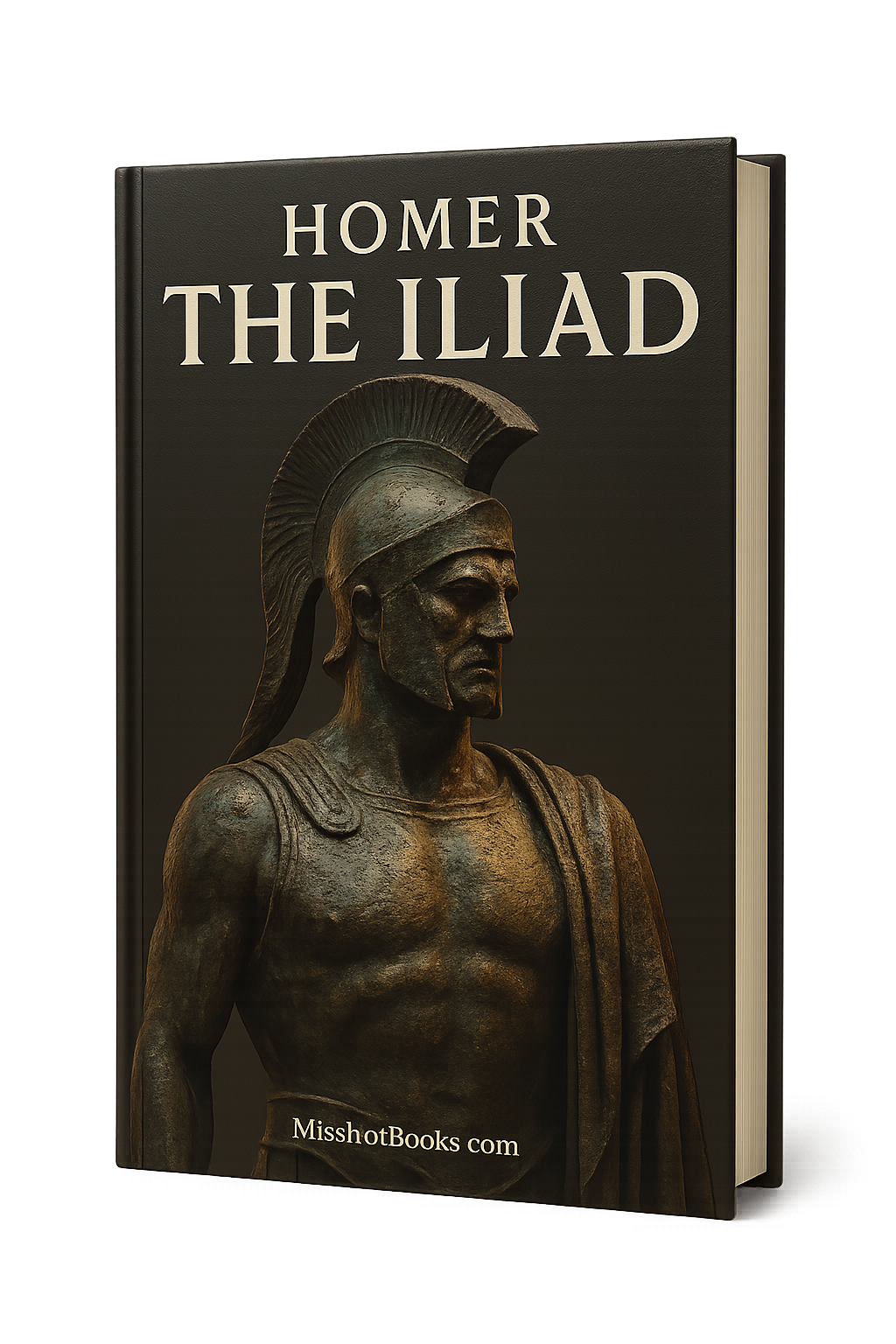
The Iliad
In the realm of literature and human thought, few works have wielded the power to reshape narratives about heroism, honor, and the complexity of human emotions quite like this groundbreaking masterpiece. By introducing a blend of myth and reality, it revolutionized not only storytelling but also our very understanding of war, conflict, and the human condition. This book challenges traditional notions of fate and divine intervention, offering an intimate portrayal of its characters, which invites readers to reflect on the nature of glory and the tragic consequences of pride and anger.
Don’t miss the opportunity to engage with one of the most influential works of all time. Buy it today and explore the foundations of epic poetry and the essence of human experience.
Core Ideas and Main Arguments
- The Nature of Heroism: It presents a nuanced view of what it means to be a hero, emphasizing personal glory and the costs of war.
- The Role of Fate vs. Free Will: The tension between predetermined fate and the characters’ choices drives the narrative, prompting readers to contemplate the limits of human agency.
- The Impact of Anger: Central to the narrative is the destructive force of rage, particularly the way it leads to suffering for both individuals and communities.
- Divine Intervention: Gods and goddesses play crucial roles, reflecting ancient beliefs about the interplay between the divine and mortal realms.
- The Complexity of Human Emotions: The work dives deeply into the emotional lives of its characters, blending feelings of love, betrayal, and desolation.
Author’s Intentions and Context
The author embarked on this monumental task during a period characterized by shifting social dynamics and a burgeoning sense of identity among the Greek peoples. After centuries of oral tradition, this written epic sought to preserve cultural heritage, answer philosophical inquiries about existence and morality, and address the contemporary societal challenges of honor and conflict. In doing so, it provided a reflective lens on the human experience amidst the backdrop of the Trojan War, a historical conflict that resonated deeply with its audience.
Structure of the Book
The work is organized into 24 books, each focusing on distinct events and interactions among characters, facilitating a rich, layered storytelling approach.
- Opening Invocation: Begins with an invocation to the Muse, setting a grand tone and inviting divine influence.
- Character Introductions: Key figures are introduced, their motivations and relationships explored in depth, allowing readers to engage emotionally with their journeys.
- Battle Scenes and Personal Struggles: Alternates between vivid descriptions of battle and poignant moments of personal reflection, illustrating the chaos of war and its impact on the human psyche.
- Climactic Resolutions and Reflections: Close with the eventual resolutions of personal and collective conflicts, culminating in bittersweet acknowledgments of loss and honor.
Key Takeaways
- The true cost of war extends beyond the battlefield, impacting families and communities deeply.
- Even the greatest of heroes are flawed, revealing the intricate interplay of strength and vulnerability.
- Our emotions can drive us toward destructive paths, yet they remain integral to the human experience.
Why It’s Important to Read
The relevance of this work remains undiminished, offering profound insights into human nature, ethics, and the enduring questions of existence that resonate across time. It is essential reading not only for students of literature and history but also for anyone seeking to understand the complexities of human emotions and relationships. Readers from all walks of life will benefit from engaging with this text, as it encourages introspection on the moral dilemmas faced throughout history and within our own lives.
Impactful Quotes and Analysis
- "Sing, O goddess, the anger of Achilles son of Peleus, that brought countless ills upon the Achaeans."
This opening line encapsulates the central theme of rage, foreshadowing the tragic consequences of personal feelings gone awry. It highlights how individual emotions can have wider societal implications. - "There is nothing alive more agonizing than a human heart."
This quote touches on the deep emotional currents that drive people to act in times of despair, showcasing the torment of the characters and inviting readers to empathize with them fully. - "Achilles, the greatest of the Achaeans, mourns not for himself but for the loss of honor."
Here, the exploration of honor versus personal loss presents a pivotal moral quandary, where societal ideals clash with personal grief, prompting reflection on what values truly matter.
About the Author
Homer, believed to have lived in the 8th century BCE, is one of the most celebrated poets in Western literature. His epic poems, primarily focusing on themes of heroism, human emotion, and the divine, laid the groundwork for the study of narrative and storytelling from antiquity to the present. Though much of his life remains shrouded in mystery, his works have profoundly influenced countless generations and established fundamental literary conventions that endure today.
This monumental work is The Iliad by Homer, brought to you for educational purposes by MissNotBooks.com.