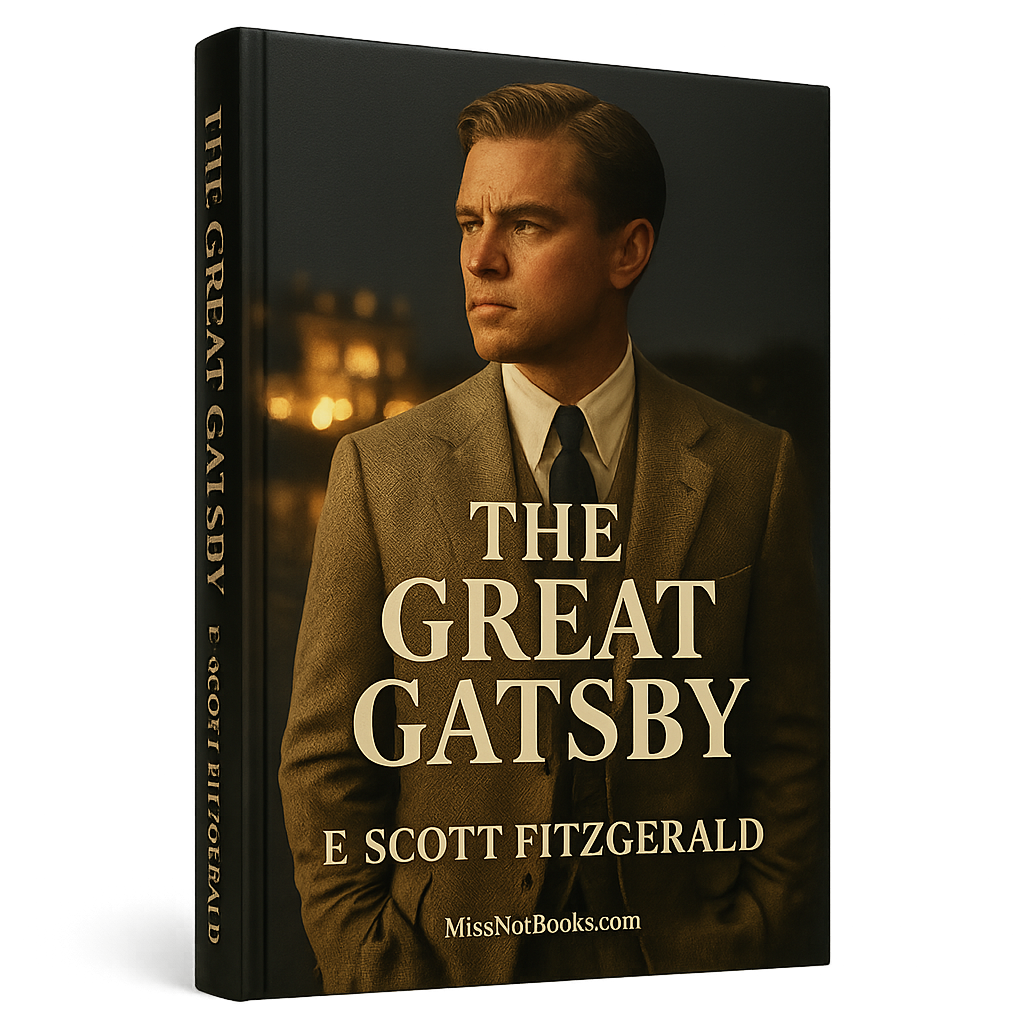
The Great Gatsby
In the annals of literature, few works have so profoundly captured the essence of an era while simultaneously unraveling the complexities of the human condition. This book revolutionized the depiction of the American Dream, unveiling the glittering façade that often belies the deep-seated disillusionment within society. It challenges readers to confront the stark realities of aspiration, identity, and morality, forever altering how we perceive both the pursuit of wealth and the human spirit. In a world where ideals often clash with reality, this work remains a poignant critique that resonates across generations. Don’t miss the opportunity to engage with one of the most influential works of all time. Buy it today and explore the very fabric of American culture and the fragility of dreams.
Core Ideas and Main Arguments:
- The Elusiveness of the American Dream: The narrative critiques the notion that wealth leads to happiness and fulfillment, showcasing the emptiness that can accompany success.
- Social Class and Stratification: It illustrates the rigid social structures of the 1920s, highlighting the disparities between old money and new money, and the resulting tensions.
- The Power of Memory and the Past: The storyline reflects the haunting nature of past experiences and how they shape one's identity and aspirations.
- Romantic Idealism vs. Reality: The protagonist’s quest for love and acceptance leads to profound insights into the nature of desire and the often painful rift between dreams and reality.
Author’s Intentions and Context:
The author aimed to expose the contradictions and moral decay of an America caught in the throes of unprecedented wealth and cultural change in the 1920s. Responding to a post-World War I society marked by rampant consumerism and social stratification, he sought to examine the consequences of blind ambition and the disillusionment that ensues. By articulating these themes through the lens of a tragic love story, the author not only documented his contemporary society but also instigated a discourse on morality and the costs of chasing unattainable dreams.
Structure of the Book:
The book is artfully divided into nine chapters, each contributing to a seamless narrative progression:
- Introduction to the Protagonist: Initial character development sets the stage for a deeper exploration of social dynamics and aspirations.
- The Rise and Fall: Subsequent chapters depict the protagonist's lavish lifestyle juxtaposed with hidden emptiness.
- Climactic Interactions: Key events unfold that challenge perceptions and reveal long-buried truths, driving the narrative towards its tragic conclusion.
- Resolution and Reflection: The final chapters bring critical reflection on the nature of dreams, love, and loss, culminating in a poignant exploration of human vulnerability.
Key Takeaways:
- The pursuit of the American Dream can often lead to disillusionment and despair rather than fulfillment.
- Wealth does not equate to happiness; instead, it can exacerbate feelings of isolation and emptiness.
- Our past relationships and experiences shape our identities and perceptions of success.
- The contrast between idealism and reality often leads to tragic outcomes in human relationships.
Why It’s Important to Read:
This book has transcended its historical context, continuing to offer a critical lens through which to examine contemporary social issues such as class division, the nature of success, and the quest for identity. It is essential reading for students of literature, history, and psychology alike, as it invites profound reflections on our own aspirations and the societal structures that shape our lives.
Impactful Quotes and Analysis:
-
“So we beat on, boats against the current, borne back ceaselessly into the past.”
This powerful closing line encapsulates the struggle against time and the weight of past experiences, echoing the universal human desire to reclaim lost dreams. -
“I hope she'll be a fool—that's the best thing a girl can be in this world, a beautiful little fool.”
A penetrating commentary on gender roles and societal expectations, this quote reveals the tragic limitations placed on women in a patriarchal society. -
“Gatsby believed in the green light, the orgastic future that year by year recedes before us.”
The green light symbolizes unattainable dreams and the perpetual struggle towards an often elusive future, striking a chord in the hearts of all who strive for their desires.
About the Author:
Francis Scott Key Fitzgerald (1896–1940) was a renowned American novelist and critic, often hailed as one of the greatest American writers of the 20th century. He is best known for his vivid depictions of the Jazz Age and for exploring themes of decadence, idealism, and social upheaval. Fitzgerald’s legacy endures through his ability to weave poignant social commentary into his narratives, making his works timeless reflections on the human condition.
This monumental work is The Great Gatsby by F. Scott Fitzgerald, brought to you for educational purposes by MissNotBooks.com.