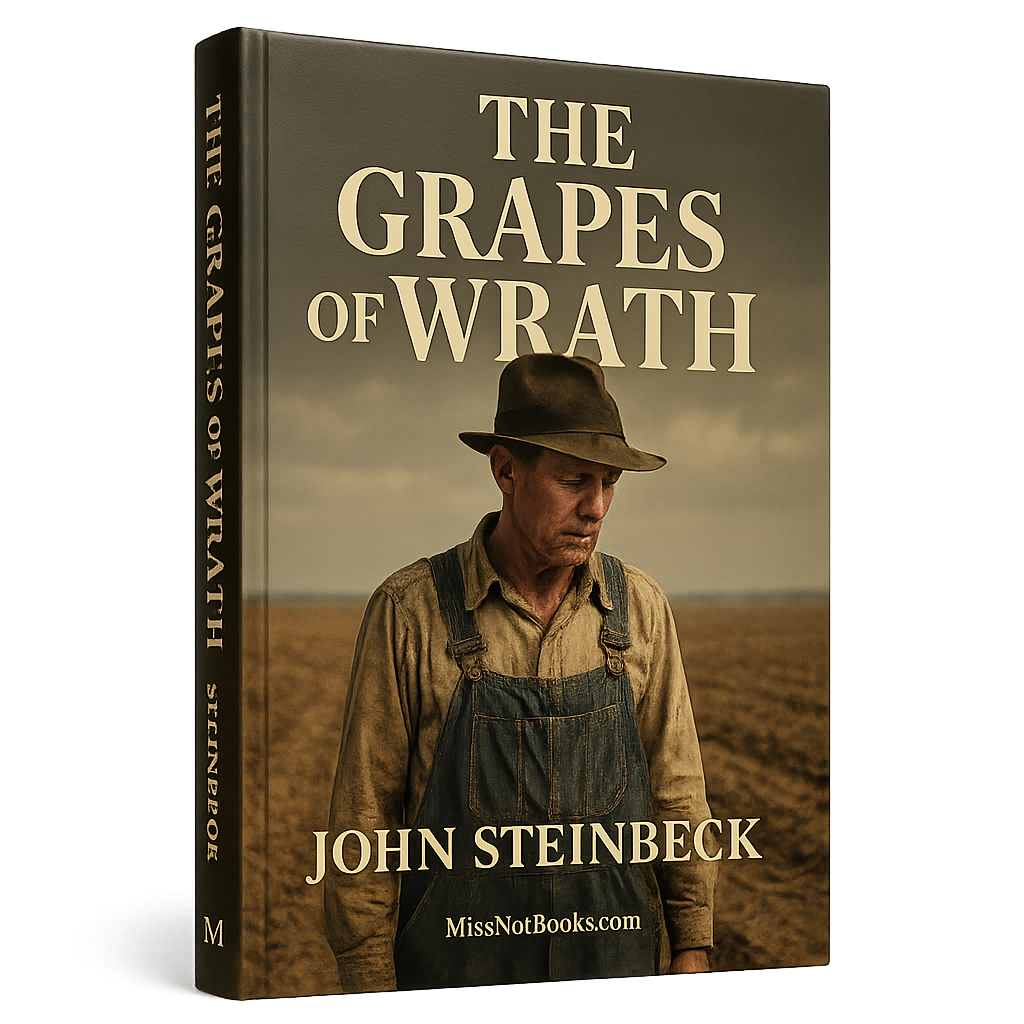
The Grapes of Wrath
In an era defined by economic despair and social upheaval, one work emerged that would capture the collective struggle and resilience of a generation, revolutionizing how literature could reflect the human experience in the face of adversity. By weaving together the personal and the political, this remarkable book not only chronicled the plight of the disenfranchised but also challenged the systemic inequalities of its time, resonating across decades as a profound critique of societal norms and human rights. Its unflinching portrayal of hardship and hope became a powerful vehicle for empathy and understanding, mobilizing consciousness and inspiring change. Don’t miss the opportunity to engage with one of the most influential works of all time. Buy it today and explore the complexities of human dignity amidst economic hardship.
Core Ideas and Main Arguments
- Human Resilience: The narrative illustrates the indomitable spirit of people facing insurmountable odds, showcasing the strength found in community and solidarity.
- Critique of Capitalism: The book delves into the failures and dehumanizing effects of an economic system driven by greed, presenting a stark contrast between the powerful and the powerless.
- Social Justice: It highlights the need for social reform and the responsibility of individuals and society to care for one another, advocating for a more equitable distribution of resources.
- Journey and Transformation: The protagonist’s journey from the Dust Bowl to California serves as a metaphor for the search for a better life and the harsh realities that accompany that quest.
Author’s Intentions and Context
The author sought to shed light on the struggles of the migrant workers during the Great Depression, a time characterized by profound economic turmoil and social displacement. In crafting this narrative, he aimed to foster understanding and empathy for the disenfranchised, while also calling into question the societal structures that perpetuated inequality. The book was a response to the widespread suffering caused by environmental disaster and economic collapse, encapsulating the struggles of families torn away from their homes and the injustice they faced in their quest for survival.
Structure of the Book
- Opening Chapters: Introduce the harsh realities of the Dust Bowl and the loss of farmland, setting up the central conflict.
- Journey West: Follow the Joad family as they travel to California, encapsulating their hopes and dreams amidst the stark realities they encounter.
- Interludes: These chapters provide broader socio-economic commentary, expanding on the book's themes of injustice and resilience.
- Climax and Resolution: Conclude with poignant reflections on family, sacrifice, and community, leaving readers with a powerful message about humanity.
Key Takeaways
- The power of community in overcoming adversity is paramount, emphasizing interdependence in times of crisis.
- A critical examination of the social and economic policies that contribute to suffering is essential for progress.
- Empathy and understanding for marginalized communities are vital to fostering social change and justice.
Why It’s Important to Read
This book remains an essential read for anyone interested in understanding the human condition, particularly within the context of economic injustice and resilience. Its themes resonate across time and geography, speaking to current struggles faced by marginalized communities around the world. Activists, students of history, and lovers of literature will find invaluable lessons within its pages, making it a timeless piece of social commentary that continues to spark conversations about equity, dignity, and human rights.
Impactful Quotes and Analysis
-
“I’ll be everywhere. Wherever you can look. Wherever there’s a fight so hungry people can eat, I’ll be there.”
- This quote embodies the spirit of collective action and the drive for social change, emphasizing that true justice requires active engagement and solidarity in struggles against inequality.
-
“In the souls of the people the grapes of wrath are filling and growing heavy.”
- This evocative image suggests the deep-seated anger and frustration that arises from systemic oppression, reminding us of the emotional weight of social injustices and the potential for uprising that they can provoke.
-
“If you’re in trouble or hurt or need — go to the poor people. They’re the only ones that’ll help — the only ones.”
- This insight reinforces the idea that empathy often springs from shared experiences of hardship, pointing out that those who suffer are frequently the most compassionate.
About the Author
John Steinbeck (1902–1968) was an American author known for his poignant narratives of the human experience. His works often highlighted social issues, particularly in relation to the working class and dispossessed. Steinbeck’s literary legacy includes classics that explore themes of injustice, resilience, and moral integrity, earning him the Nobel Prize in Literature in 1962. His ability to weave the personal with the political has secured his place as a pillar of American literature and social advocacy.
This monumental work is The Grapes of Wrath by John Steinbeck, brought to you for educational purposes by MissNotBooks.com.