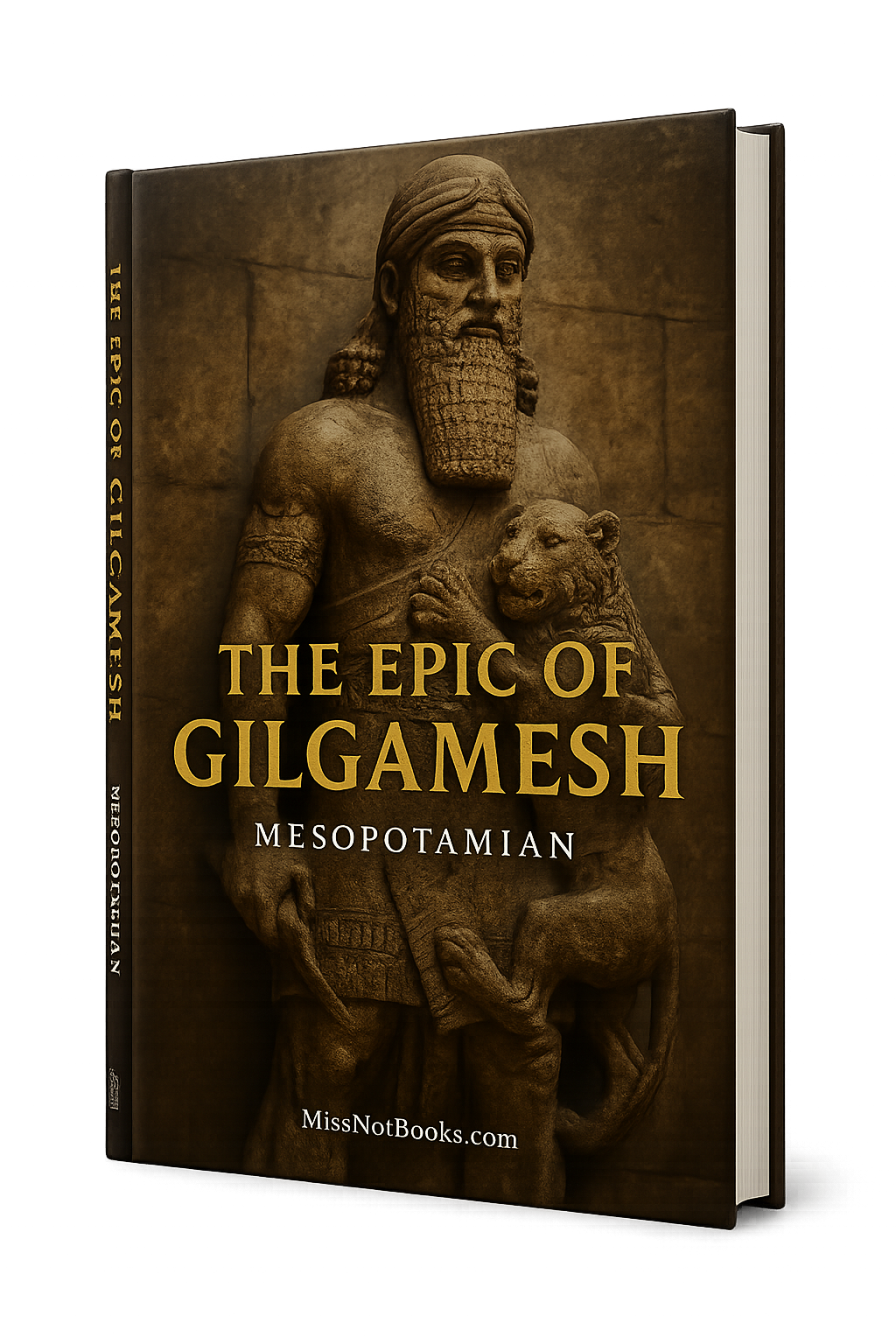
The Epic of Gilgamesh
In the annals of literature and human thought, few works have been as transformative as the ancient narrative that chronicles the adventures of a legendary king and his quest for immortality. This epic not only captures the imagination through its gripping storytelling but also delves into profound questions about existence, friendship, and the human condition. It revolutionized early literature by intertwining myth and human experience, offering insights that resonate across cultures and eras. Its historical and philosophical significance challenges readers to confront the timeless nature of human concerns, ensuring its place as a cornerstone in the evolution of narrative and epic poetry.
Core Ideas and Main Arguments
- The Quest for Mortality: At its heart, the narrative explores the inevitability of death and humanity's desire to seek meaning beyond mortal existence.
- Friendship and Loss: The powerful bond between the protagonist and his companion serves as a poignant reflection on love, loss, and the strengths and fragilities of human relationships.
- The Divine and the Human: Interactions with deities highlight the tension between human aspirations and the whims of powerful forces, questioning the role of fate in human endeavors.
- Civilization vs. Nature: The struggle between urban civilization and the untamed forces of nature suggests broader themes about human progress and the costs associated with it.
Author’s Intentions and Context
Written in a historical context where mythology and governance intertwined, the author sought to articulate the values and beliefs of their society. Responding to the challenges of a world emerging from the shadows of ancient chaos, the work aimed to define the human experience amidst uncertainties and the divine. It reflects a society grappling with issues of power, legacy, and the understanding of existence itself, revealing a profound engagement with both the joys and sorrows of life.
Structure of the Book
The narrative is typically divided into several key sections, each contributing uniquely to the overarching themes:
- Introduction to Gilgamesh: A presentation of the protagonist's strength and hubris.
- The Introduction of Enkidu: The creation of a wild man representing raw nature, and his transformation through friendship.
- Harsh Realities: Adventures that showcase their strength, followed by the calamity of loss when Enkidu dies.
- The Quest for Immortality: Gilgamesh’s journey to discover the secret of eternal life, which leads him to profound realizations about human existence.
- Conclusion and Acceptance of Mortality: The final reflections offer a resolution that embraces the wisdom gained through loss and experience.
Key Takeaways
- Understanding Impermanence: Readers will appreciate the importance of accepting mortality as part of the human experience.
- The Value of Relationships: The bond between Gilgamesh and Enkidu exemplifies how relationships shape our identity and journey.
- Cultural Reflections: Insights into ancient society, governance, and religion provide a lens through which modern readers can examine their own world.
Why It’s Important to Read
This epic continues to hold profound relevance today, serving as a timeless exploration of fundamental human experiences. It touches on areas relevant to contemporary discussions about mortality, friendship, and the quest for meaning. Students of literature, philosophy, history, and even psychology can find immense value in its exploration of life's universal themes. Engaging with this work fosters a deeper understanding of humanity and can inspire modern thinkers and creators to reflect on the enduring questions of existence.
Impactful Quotes and Analysis
-
“The fate of mankind is death, and wisdom is built on the recognition of this truth.”
- This quote encapsulates the central theme of mortality and introspection, urging readers to grapple with the reality of life’s fleeting nature.
-
“The strongest of all is the one who faces his fear.”
- Here, the text highlights the idea that true strength lies not in physical prowess but in the courage to confront one’s vulnerabilities, a lesson that transcends time and culture.
-
“Friendship is a balm against the cruelty of life.”
- This poignant reflection underscores the emotional depth of relationships, emphasizing that connections with others enrich our lives and provide solace during hardship.
About the Author
The author of this epic, whose name is lost to history, is often attributed to the rich tapestry of ancient Mesopotamian culture. Likely emerging around the early second millennium BCE, the work influences not only literature but also the broader tapestry of religious and philosophical thought. Its legacy bridges the ancient and the modern, embodying themes that continue to resonate within contemporary discourse.
This monumental work is The Epic of Gilgamesh by Unknown Author, brought to you for educational purposes by MissNotBooks.com.