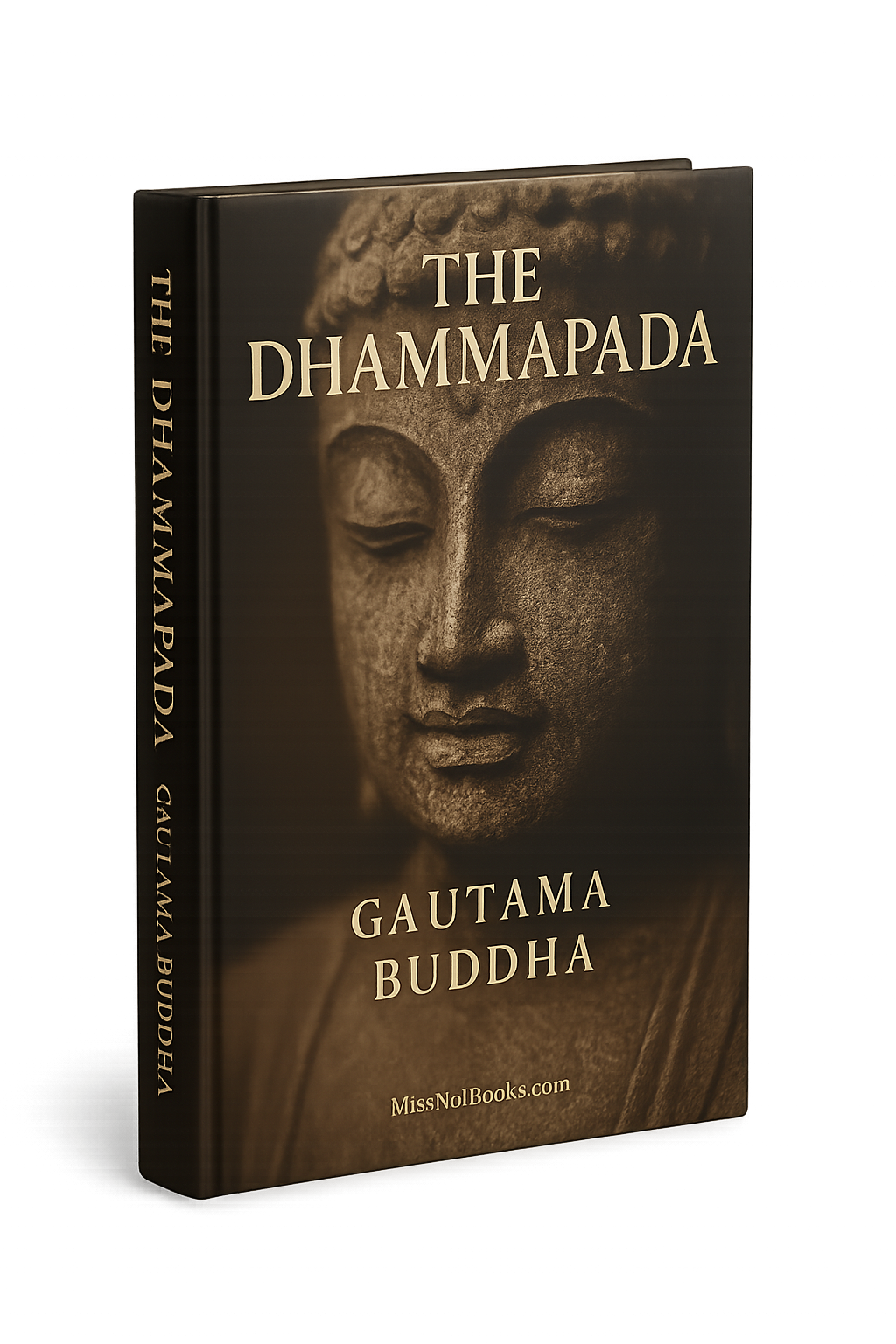
The Dhammapada
In a world often besieged by chaos and confusion, one work stands as a beacon of clarity and wisdom, redefining the understanding of human experience, morality, and the path to liberation. This transformative text not only revolutionized spiritual thought by offering profound insights into the nature of suffering and the pursuit of happiness but also challenged prevailing dogmas, promoting a philosophy centered on individual effort and ethical conduct. It serves as a guide for living a life of purpose and awareness, establishing foundational principles that resonate through time and across cultures.
Core Ideas and Main Arguments
- The Nature of Suffering: The text outlines the reality of suffering as an intrinsic part of life, urging readers to confront rather than deny their experiences.
- Ethical Living: It emphasizes the importance of actions and thoughts, laying out the moral foundations for living righteously, including the concepts of karma and rebirth.
- Mindfulness and Awareness: The teachings advocate for the cultivation of mindfulness as a means to attain inner peace and spiritual awakening.
- Impermanence: Acknowledging the transient nature of life, it encourages acceptance and understanding of impermanence as a source of freedom.
- Self-Responsibility: It posits that individuals have the power to shape their destinies through conscious choices and moral discipline.
Author’s Intentions and Context
The author sought to illuminate the path to enlightenment during a time of significant social and spiritual turmoil in ancient India. The philosophical landscape was rife with competing ideologies, and there was a growing need for a clear framework that addressed the suffering experienced by individuals. By distilling complex spiritual truths into accessible verses, the author aimed to empower individuals to explore their own capacities for compassion, wisdom, and insight, providing a counter-narrative to the rigid caste systems and ascetic practices prevalent at the time.
Structure of the Book
- Introduction and Opening Verses: A poetic initiation into core principles.
- The Verses on Virtue: A focus on ethical behavior and the transformative power of good actions.
- Mindfulness and Meditation: Sections dedicated to the practices of awareness and their significance in achieving enlightenment.
- Reflections on Impermanence and Suffering: Deep contemplations that encourage confronting the ephemeral nature of life.
- Closing Statements: A summation that reinforces the text's central tenets and encourages continual reflection.
Key Takeaways
- Readers will gain insights into the relationship between thought and actions, understanding how they intertwine to create one’s reality.
- The book advocates a path of personal responsibility and ethical living, providing a framework for building a more compassionate society.
- It unveils the significance of self-awareness and mindfulness as essential tools for navigating life's challenges.
- The teachings offer profound, practical wisdom applicable across various facets of life, from personal growth to community relationships.
Why It’s Important to Read
This work remains critically relevant today, transcending its historical context to address universal human experiences. In an era filled with rapid change and uncertainty, it provides timeless strategies for dealing with life’s complexities. Scholars, spiritual seekers, and anyone interested in personal development will benefit immensely from its profound insights, which encourage a reflective and ethical approach to living in harmony with oneself and others.
Impactful Quotes and Analysis
- “Mind is everything. What we think, we become.”
- This powerful statement encapsulates the core belief that our thoughts shape our reality, urging readers to practice mindfulness in their thinking.
- “Better than a thousand hollow words is one word that brings peace.”
- It reminds us of the importance of meaningful communication and the deep impact it can have on both ourselves and those around us.
- “All that we are is the result of what we have thought.”
- This underscores the idea of personal agency and the responsibility each individual holds over their inner life and outward actions.
About the Author
Attributed to Gautama Buddha, who lived circa 563–483 BCE, this work’s teachings emerged from his experiences and realizations as a spiritual leader. As a founder of one of the world's major religions, his philosophies have shaped not only spiritual thought but also ethical and moral frameworks across cultures. His legacy continues to inspire millions towards the pursuit of peace, liberation, and understanding.
Don’t miss the opportunity to engage with one of the most influential works of all time. Buy it today and explore the beauty of human language. This monumental work is The Dhammapada by Attributed to Gautama Buddha, brought to you for educational purposes by MissNotBooks.com.