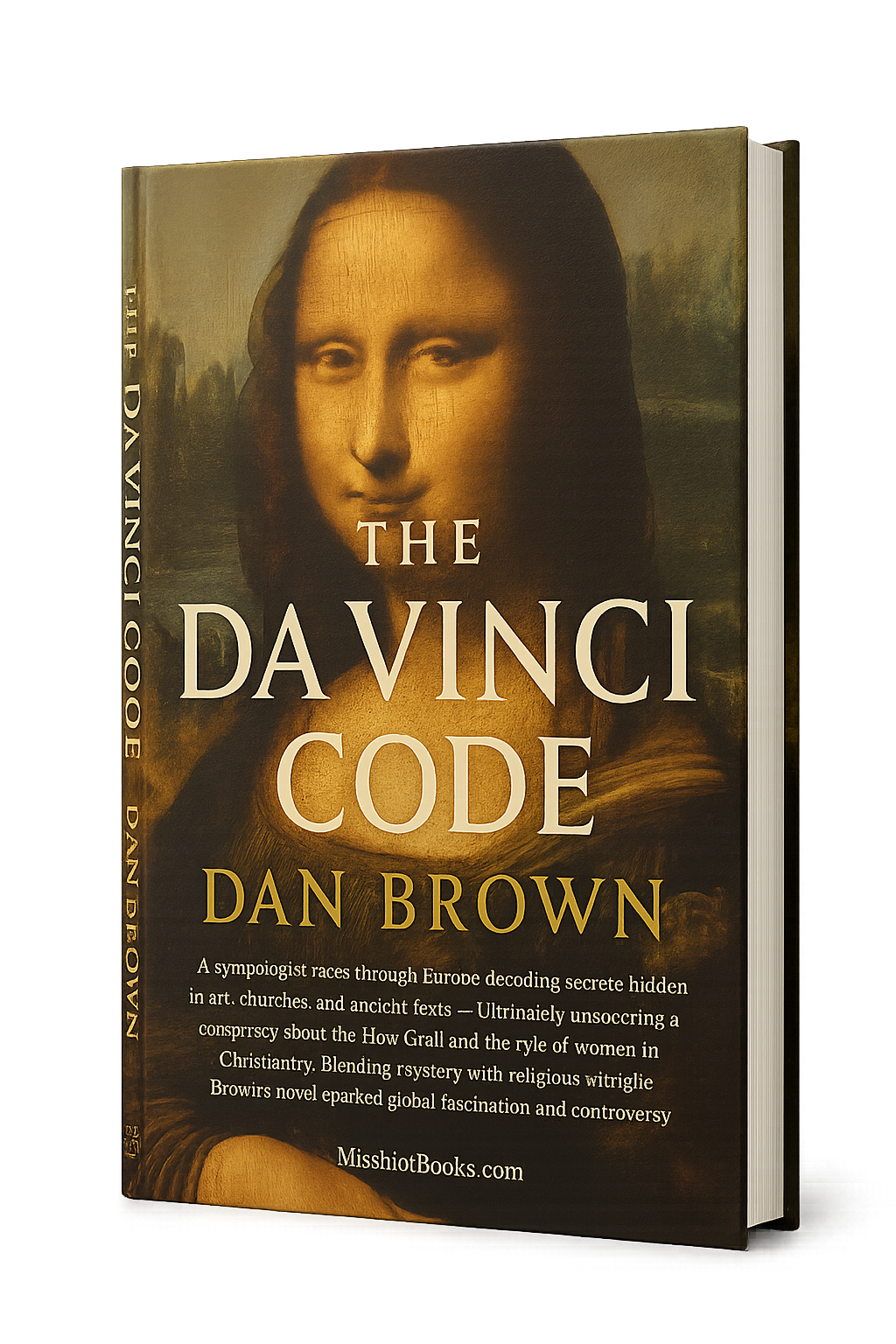
The Da Vinci Code
The evolution of our understanding of religion, history, and art has been irrevocably altered by a narrative that not only intertwines fiction and reality but also challenges the very foundations upon which our belief systems stand. With deft storytelling, this groundbreaking novel has opened up discussions about faith, power, and the hidden truths that shape our world. Its provocative exploration of symbolism and conspiracy revitalized both the thriller genre and popular interest in historical mysteries, challenging readers to reconsider the narratives of culture and spirituality they had long accepted.
Don’t miss the opportunity to engage with one of the most influential works of all time. Buy it today and explore the intertwining depths of faith and knowledge that continue to resonate in modern society.
Core Ideas and Main Arguments
- The interplay between faith and reason: The narrative posits that historical events are often manipulated to serve power, and that truth often lies obscured beneath layers of tradition.
- The role of symbolism: The book emphasizes the importance of symbolism throughout history, especially in art and religious iconography, demonstrating how these elements convey deeper meanings.
- The questioning of established narratives: It invites readers to scrutinize historical accounts and encourages skepticism of dogma, especially as it relates to organized religion.
- Feminine power in sacred texts: It explores the notion of the divine feminine and points to historical erasure of women’s roles in spiritual narratives.
Author’s Intentions and Context The author crafted this novel in the early 21st century against a backdrop of rising interest in historical mysteries and the interplay of faith and science. Responding to a world grappling with issues of religious extremism and a quest for deeper truths, the intention was to create a thrilling narrative that would encourage readers to question the narratives they've been presented with, particularly regarding Christianity and historical fact. This novel confronts the tension between faith and knowledge, urging readers to explore the meaning behind the symbols that populate our cultural lexicon.
Structure of the Book The book is divided into several chapters that follow the journey of its protagonists through various locations in Europe, uncovering secrets tied to the past. Each section unfolds a piece of the mystery, gradually revealing interconnections between the characters' personal journeys and larger historical revelations, building momentum toward a climactic conclusion. The structure not only serves the thriller aspect but also reinforces the thematic exploration of truth hidden within layers of deception.
Key Takeaways
- History is often written by those in power, and exploring the past can yield unexpected truths.
- Symbols and art offer rich insights into the beliefs and practices of societies.
- Challenging accepted narratives can uncover profound spiritual and philosophical revelations.
- The interconnectedness of knowledge and belief reveals the complexity of the human experience.
Why It’s Important to Read This work remains essential not only for its thrilling narrative but also for its profound engagement with essential questions about faith, authority, and the nature of truth. It is particularly relevant for readers interested in history, art, and the philosophical exploration of belief systems. Scholars, students, and general readers alike will find in its pages a catalyst for thought and discussion about the interplay of religion and society.
Impactful Quotes and Analysis
- “The truth is always there, it’s just hidden.” This quote captures the central premise of the narrative: that understanding often requires delving into the obscured layers of history and mythology.
- “Symbols are a language that speak to the heart.” Here, the author underscores the power of symbols to transcend fundamental divides, conveying profound truths that intellectually anchored narratives can fail to express.
About the Author Daniel Gerhard Brown, born on June 22, 1964, is an American author known for his thriller novels that often combine historical themes, art, and science. His works have captured the imaginations of millions worldwide, and he has cemented his legacy as a gripping storyteller who challenges the boundaries of historical fiction and invites readers to interrogate the truths they hold dear.
This monumental work is The Da Vinci Code by Dan Brown, brought to you for educational purposes by MissNotBooks.com.