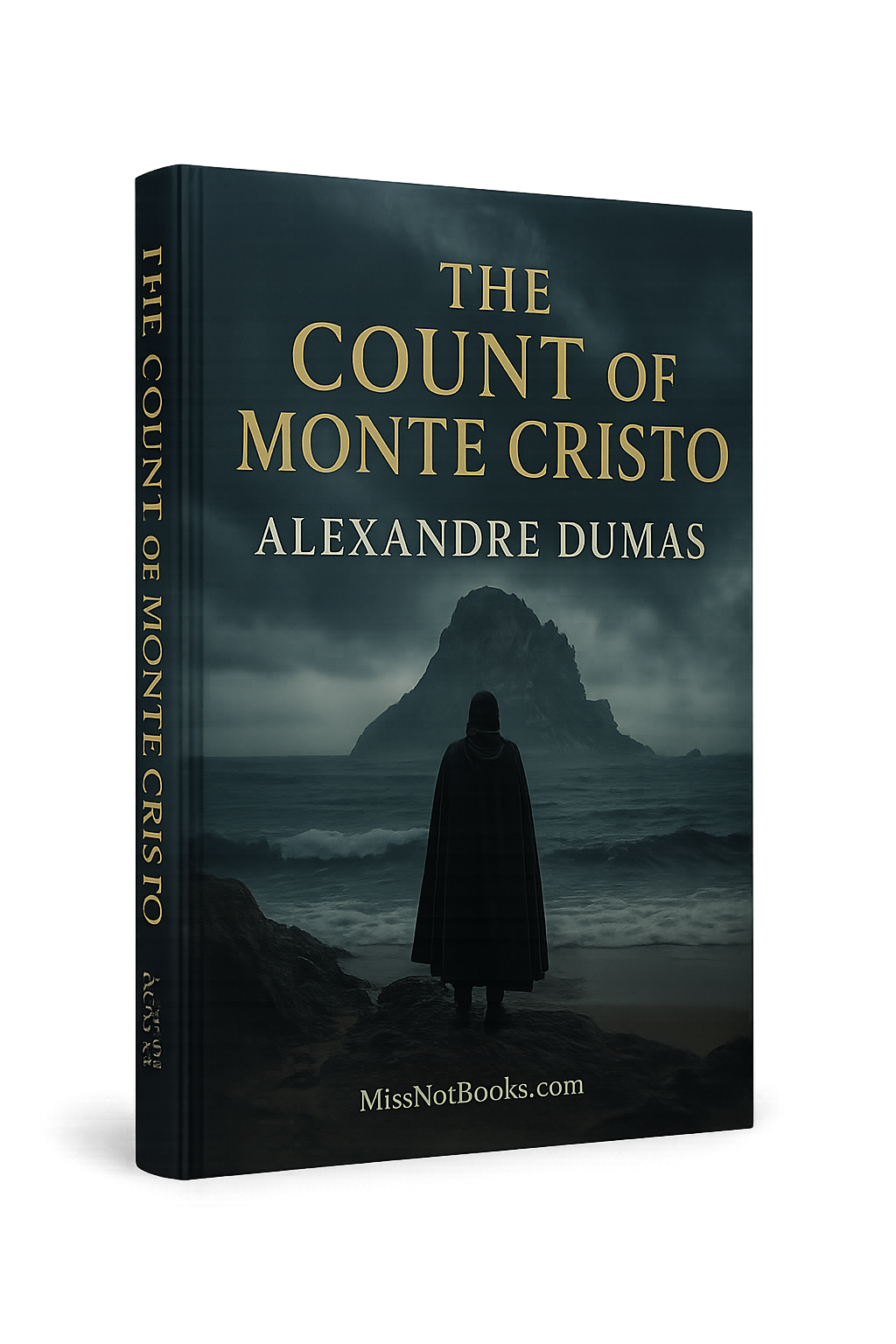
The Count of Monte Cristo
In a world where justice often eludes the innocent and revenge consumes the soul, one literary masterpiece dares to explore the depths of human emotion, morality, and the undying quest for freedom. This significant work not only redefined the adventure novel but also delved into themes of betrayal, retribution, and redemption, pushing the boundaries of 19th-century literature. Its profound exploration of the complexities of the human spirit has resonated across generations, igniting imaginations and inspiring countless adaptations in art, film, and theatre. Don’t miss the opportunity to engage with one of the most influential works of all time. Buy it today and explore the essence of hope and the transformative power of vengeance.
Core Ideas and Main Arguments
- Justice and Injustice: The narrative intricately examines the concept of justice, portraying a stark contrast between the moral failings of society and the protagonist’s personal vendetta.
- Revenge as a Double-Edged Sword: It delves into the personal ramifications of seeking revenge, illustrating how the pursuit of retribution can lead to the erosion of one’s humanity.
- Transformation and Identity: The protagonist’s evolution from an innocent man to a vengeful figure symbolizes the profound effects of trauma and the search for self-identity in the face of overwhelming adversity.
- Friendship and Betrayal: Relationships play a crucial role, highlighting the fragility of trust and the impact of betrayal on personal relationships and societal structures.
- Hope and Redemption: Ultimately, the tale serves as a testament to hope, showcasing how love and forgiveness can prevail even in the darkest of circumstances.
Author’s Intentions and Context
Written during a period marked by social upheaval and dramatic political change in France, the author sought to reflect the complexities of human nature and societal norms. He aimed to illuminate the struggles of the individual against corrupt systems, giving a voice to those marginalized by society. The narrative's backdrop of personal betrayal mirrors the broader historical context of societal injustice, enhancing its relevance and urgency. The author, through vivid storytelling, fostered a dialogue about the perils and possibilities inherent in the quest for power and retribution.
Structure of the Book
The novel is meticulously crafted into sections that reflect the protagonist's journey:
- The Fall of Edmond Dantès: Introduction to characters and the initial betrayal.
- The Transformation: Dantès's time in prison and his evolution.
- The Plan for Revenge: Strategic maneuvering as Dantès takes on new identities.
- Confrontation with the Past: The unfolding of Dantès’s revenge and its consequences.
- Resolution and Redemption: A conclusion that re-examines the tenets of forgiveness and morality.
This structure not only enhances the narrative arc but also emphasizes the evolution of the protagonist’s character and the overarching themes throughout the novel.
Key Takeaways
- The complex interplay between justice and personal vengeance prompts readers to ponder moral dilemmas in their own lives.
- The journey of transformation illustrates the impact of circumstances on identity.
- Themes of betrayal highlight the importance of loyalty and trust in human relationships.
- The story encourages a reflection on whether revenge ultimately brings fulfillment or destruction.
- Discovering hope amid darkness exemplifies the resilience of the human spirit.
Why It’s Important to Read
This novel remains a quintessential work that transcends time, speaking to fundamental aspects of the human condition. Its investigation into the darker sides of ambition and revenge is as relevant today as it was in the 19th century. Readers seeking profound reflections on morality, justice, and the intricacies of human relationships will find invaluable insights. This work offers inspiration not only for literary enthusiasts but also for anyone grappling with issues of betrayal, justice, and the quest for personal redemption.
Impactful Quotes and Analysis
-
“All human wisdom is contained in these two words: Wait and Hope.”
This quote encapsulates the theme of perseverance and the inherent belief in a better future, embodying the novel’s spirit of resilience. -
“I am not proud, but I am happy.”
This reflects the complex emotional landscape of the protagonist, highlighting the profound transformation he undergoes on his journey. -
“Revenge is a dish best served cold.”
This famous line underscores the calculated nature of retaliation, adding depth to the moral discussions surrounding vengeance that permeate the narrative.
About the Author
Alexandre Dumas (1802-1870) was a French writer renowned for his historical novels, theatre plays, and literary contributions that have had a lasting impact on Western literature. He is best known for his engaging storytelling and multifaceted characters, often intertwining themes of adventure and romance with social commentary. Dumas's legacy as a pioneer of the historical novel genre is firmly cemented, influencing subsequent generations of writers and thinkers in countless ways.
This monumental work is The Count of Monte Cristo by Alexandre Dumas, brought to you for educational purposes by MissNotBooks.com.