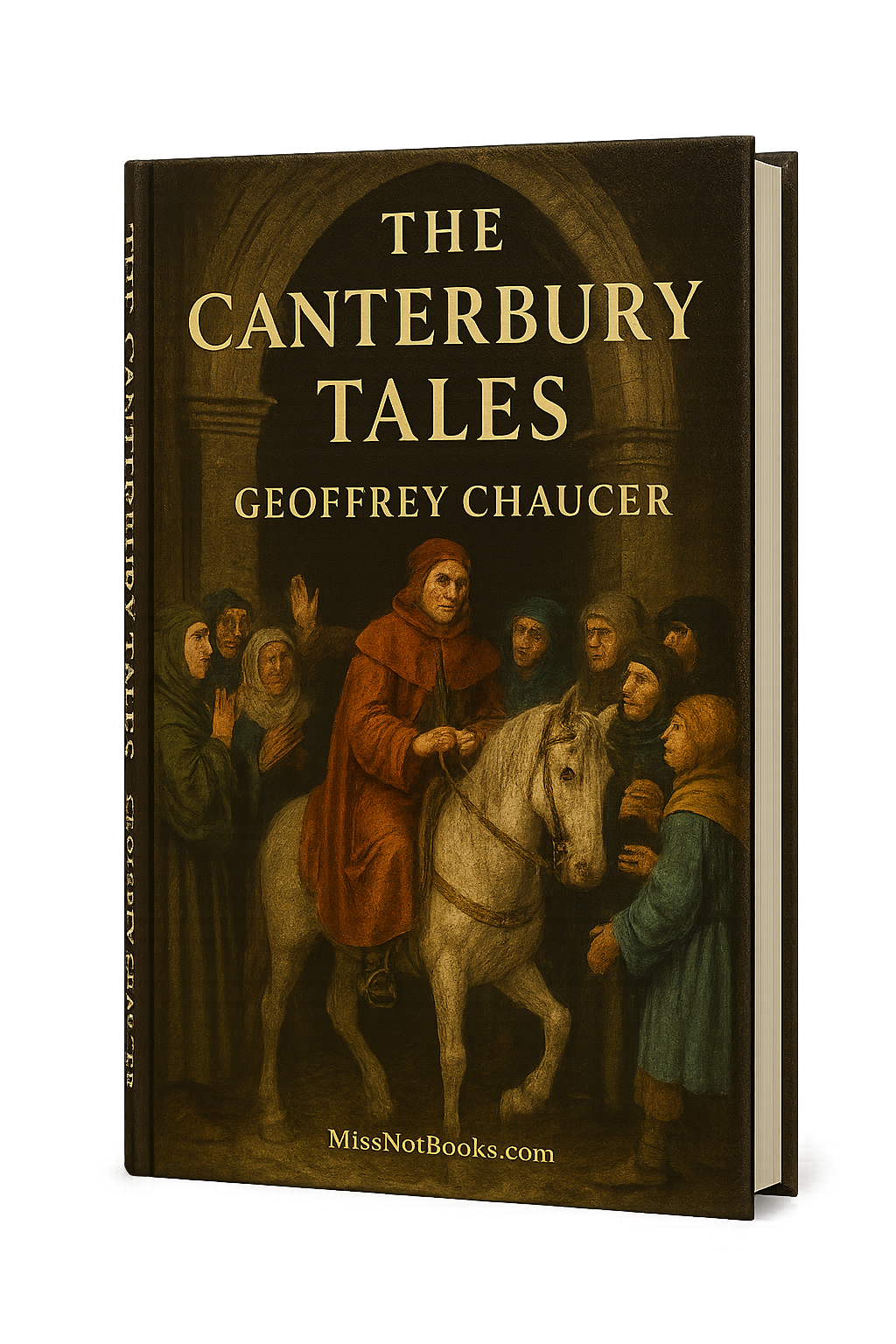
The Canterbury Tales
In a world where societal norms and human behavior intertwine, a groundbreaking collection of stories has persistently illuminated the intricacies of the human condition. This work has transformed our understanding of narrative form, social commentary, and the vibrant tapestry of human experiences. It evokes a compelling exploration of the medieval psyche while addressing timeless themes of morality, social class, and the nature of truth. By skillfully weaving rich characters and diverse perspectives, it challenges established notions and invites readers to reflect on their own beliefs and behaviors. Immerse yourself in the dialogue of ages; don’t miss the opportunity to engage with one of the most influential works of all time. Buy it today and explore the intricacies of everyday life through masterful storytelling.
Core Ideas and Main Arguments
- Social Commentary: The narratives provide a sharp critique of the various social classes and their interactions, highlighting hypocrisy and moral contradictions prevalent in society.
- Humanity in Diversity: Each pilgrim embodies different facets of human nature, illustrating that truth and folly coexist within every individual, regardless of status.
- Narrative Technique: The use of frame narrative allows for a multitude of voices and styles, showcasing the richness of storytelling as an art form, blending humor, tragedy, and reflection.
- Religious Reflections: The text grapples with the complexities of faith, virtue, and vice, presenting both commendable and flawed attitudes toward spirituality and dogma.
Author’s Intentions and Context
Written in the late 14th century against the backdrop of the Black Plague and social upheaval, the author sought to explore and illuminate the diverse fabric of medieval life. Chaucer's intent was not only to entertain but to provoke thought about virtue, society's moral fabric, and the emerging complexities of identity and agency in a rigidly hierarchical world. His work serves as a social mirror reflecting the values and contradictions of his time while challenging readers to discern their place within this spectrum.
Structure of the Book
The collection is organized as a pilgrimage narrative, where various characters from different walks of life tell their stories on the way to Canterbury. Each tale is distinct in style and theme yet contributes to the overarching journey:
- The General Prologue: Introduces the characters and sets the stage for the tales.
- Individual Tales: Vary from the comic to the tragic, such as "The Knight's Tale," "The Miller's Tale," and "The Wife of Bath's Tale," each providing unique insights into human nature and societal norms.
- The Conclusion: Offers reflections on the journey, tying together the themes explored throughout.
Key Takeaways
- The power of storytelling can reveal deeper truths about society and the self.
- Understanding human character requires an appreciation of both its nobility and its absurdity.
- Society is a complex tapestry of conflicting desires, beliefs, and realities that shape human interactions.
Why It’s Important to Read
This work remains crucial for anyone seeking to comprehend the roots of modern literature, social critique, and the complexities of human behavior. Scholars, students, and casual readers alike benefit from its exploration of timeless dilemmas, moral questions, and the intricacies of social stratification. It engages us in a dialogue that transcends centuries, prompting an examination of our own lives and societies.
Impactful Quotes and Analysis
-
“The greatest scholars are not always the wisest.”
This quote underscores the notion that intellectual prowess does not equate to moral or practical wisdom, challenging societal reverence for academia without critical reflection. -
“Love is all, and we all love.”
This succinct assertion highlights the universality of love, suggesting it as a binding force that transcends social class and human conflict, a resonant reminder of our common humanity. -
“The truth will out.”
A timeless expression of the belief that, ultimately, honesty prevails. It captures the ongoing struggle between deception and authenticity in human interactions.
About the Author
Geoffrey Chaucer (c. 1343 – 1400) was an English poet, author, and civil servant, often referred to as the "father of English literature." His remarkable influence on the use of the English language in poetry and prose, as well as his keen insights into society, have solidified his legacy in Western literature. Chaucer's ability to weave complex narratives and character depth has secured his place as a pivotal figure in the literary canon.
This monumental work is The Canterbury Tales by Geoffrey Chaucer, brought to you for educational purposes by MissNotBooks.com.