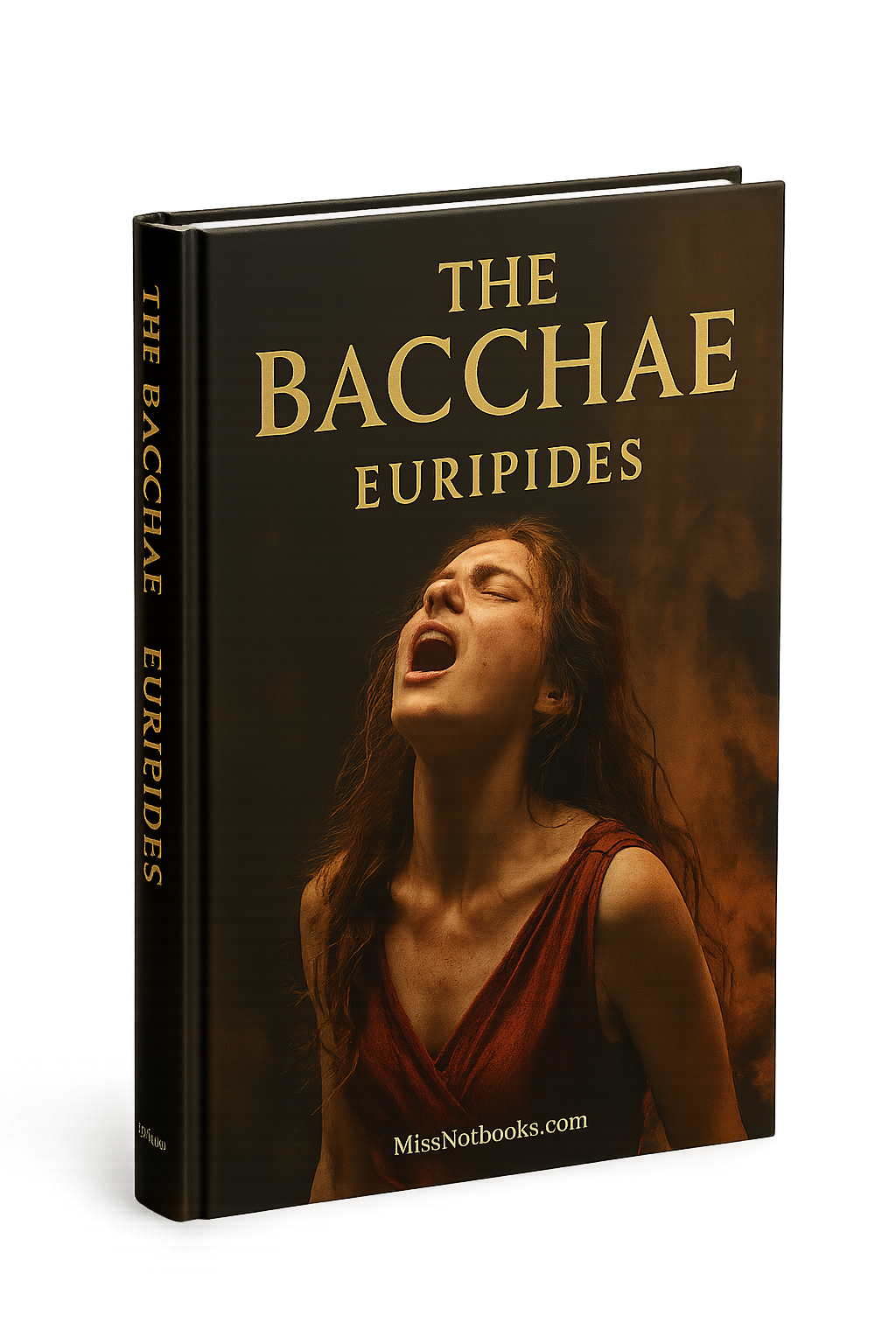
The Bacchae
In the realm of literature and drama, certain works transcend their time, sparking revolutions in thought and expression that reverberate to the present day. This particular play challenges the very fabric of societal norms, intertwining themes of instinct and rationality, revelry and restraint, and the eternal struggle between the human and the divine. Its powerful narrative questions the established order of civilization and showcases the inherent tensions between freedom and repression, inviting readers and audiences to confront their own cultural boundaries. Engaging with this seminal text is not merely an academic exercise; it is a transformative experience that invites profound reflection on the nature of humanity. Don’t miss the opportunity to engage with one of the most influential works of all time. Buy it today and explore the depths of human passion and the dynamics of divine influence.
Core Ideas and Main Arguments
- Duality of Human Nature: The text explores the dichotomy between rationality and instinct, emphasizing how each aspect influences human behavior.
- Societal Order vs. Individual Freedom: It presents a critique of societal norms, revealing the consequences of excessive repression and the chaos that can ensue from unrestrained freedoms.
- The Role of the Divine: Divine forces play a crucial role in human lives, highlighting the sometimes treacherous interplay between mortals and gods.
- Ritual and Ecstasy: The narrative showcases the importance of ritualistic practices and the ecstasy associated with them, serving as a counterpoint to the rationalism of society.
- Consequences of Hubris: It serves as a cautionary tale about the dangers of excessive pride and denial of the divine, culminating in tragic outcomes for those who overstep their bounds.
Author’s Intentions and Context
Euripides crafted this play during a time of significant upheaval in 5th century BCE Athens, a period marked by the democratic experiment and cultural flourishing, yet also by war and social discord. His intent was to explore the primal instincts that underlie human behavior, especially as they collide with the structured norms of society. By bringing Dionysus, the god of wine and ecstasy, into conflict with King Pentheus, he aimed to highlight the dangers of denying one's true nature and the complexities of worshipping the divine. This conflict reflects philosophical debates of the time regarding rationality and chaos, offering a profound commentary on the human condition.
Structure of the Book
The play is structured in a traditional format of Greek tragedy, consisting of:
- Prologue: An introduction that sets the stage for the conflict, where Dionysus reveals his purpose.
- Parodos (Entrance Ode): The chorus introduces the themes of the narrative, focusing on the revelry and instincts tied to Dionysus.
- Episodes:Several acts of dialogue and action that unfold the central conflict between the societal views of Pentheus and the liberating nature of Dionysian worship.
- Stasimon (Choral Odes): Reflective passages by the chorus that provide commentary on the events, enhancing the thematic depth.
- Exodus: The resolution, where the tragic consequences of Pentheus's denial unfold, striking a final blow to the tension between human instinct and societal order.
Key Takeaways
- Understanding the Human Psyche: Readers gain insight into the complexities of human desires and societal constraints that shape behavior.
- Critical Examination of Power: It prompts reflection on the balance of authority, urging consideration of how power dynamics influence personal and collective identities.
- Celebration of Arts and Ritual: The work elevates the importance of creative expression and the role of ritual in sustaining communal bonds.
Why It’s Important to Read
This work continues to resonate with contemporary issues of identity, freedom, and societal expectations, making it essential for students, scholars, and anyone interested in the human condition. It provides crucial insights into the moral complexities that define our lives, prompting readers to reflect on personal and societal boundaries. Those studying psychology, sociology, or the arts will find invaluable lessons in its themes, as will anyone seeking a deeper understanding of the interplay between divine influence and human agency.
Impactful Quotes and Analysis
-
“The man who drinks, and his senses are sent reeling, has no right to any shame.”
- This quote captures the essence of liberation found in drunkenness, suggesting that societal norms regarding shame are blurred by unrestrained ecstasy.
-
“You must not deny the power of the gods.”
- Here, Euripides succinctly underlines the dangers of hubris and the folly of ignoring divine influence, emphasizing a theme that permeates the play.
-
“Let me go, I want to be a martyr for my beliefs.”
- This reflects the intensity of conviction that can drive individuals to confront overwhelming challenges, echoing a recurring motif of sacrifice for passion.
About the Author
Euripides, born around 480 BCE and believed to have died in 406 BCE, was one of the three ancient Greek tragedians whose plays have survived to this day. Renowned for his innovative approach to character development and the exploration of complex themes such as morality, fate, and gender dynamics, he has left an indelible mark on theater and literature. His works delve into the depths of human emotion and societal critique, influencing countless generations of playwrights and thinkers. Euripides's legacy continues to inform modern storytelling and philosophical inquiry into the human experience.
This monumental work is The Bacchae by Euripides, brought to you for educational purposes by MissNotBooks.com.