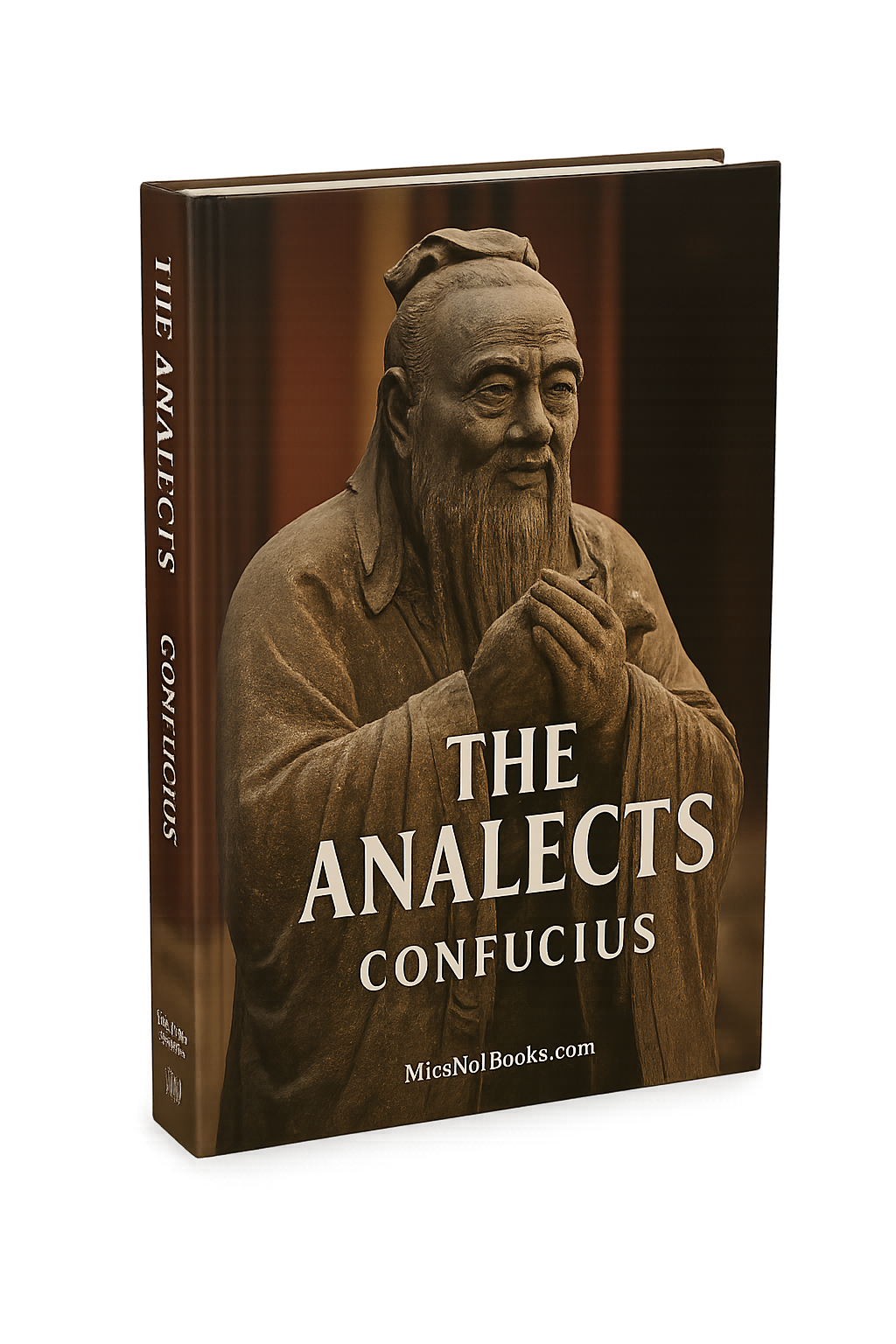
The Analects
Throughout history, certain texts emerge that not only reflect the values and concerns of their time but also reshape the very framework of thought itself. This particular book challenges conventional beliefs about morality and governance while presenting a profound exploration of personal ethics and social responsibility that resonates across cultures and epochs. Its impact is transformative, offering insights that have influenced political theory, educational principles, and human relationships for centuries.
In this seminal work, we encounter profound reflections on the nature of virtue, the role of the individual in society, and the importance of moral integrity. It invites readers to reconsider their own values and their responsibilities to others, making it a vital text for today’s complex world. Don’t miss the opportunity to engage with one of the most influential works of all time. Buy it today and explore the foundation of modern ethics.
Core Ideas and Main Arguments:
- Ethical Governance: The book argues that leaders should govern by moral example, promoting virtue over sheer power.
- The Importance of Education: It emphasizes lifelong learning and moral cultivation as essential for personal and societal progress.
- Human Relationships: The text delves into the significance of interpersonal relationships, particularly family and community bonds, in achieving a harmonious society.
- Ritual and Tradition: It explores how rituals contribute to social cohesion and personal discipline, framing them as vital to a well-ordered society.
Author’s Intentions and Context: The author crafted this work during a time of social upheaval in ancient China, a period known as the Spring and Autumn period, marked by political fragmentation and moral confusion. Confucius aimed to restore a sense of ethical clarity and social harmony by articulating a vision of a just society grounded in moral virtues. He sought to respond to prevailing cultural challenges, advocating for a return to values that emphasized respect, clarity, and personal responsibility.
Structure of the Book: The book is organized into a series of concise aphorisms and dialogues, typically grouped into themed sections covering various aspects of life, governance, and interpersonal ethics. This format allows for a rich tapestry of ideas that readers can contemplate individually or collectively, each section building upon the last to create a deeper understanding of Confucian thought.
Key Takeaways:
- Moral character is essential for effective leadership and governance.
- Education is a continuous journey essential for individual and collective improvement.
- Healthy relationships are the foundation of a peaceful and productive society.
- Rituals and traditions hold value in structuring social interactions and maintaining order.
Why It’s Important to Read: This work remains relevant not only for its historical significance but also for its powerful insights into ethical leadership and communal responsibility. It is particularly valuable for students of philosophy, political science, and sociology, as well as anyone seeking to navigate the complexities of modern life with a strong moral compass. Engaging with its teachings can inspire individuals to embody the virtues of empathy, respect, and integrity in their daily lives.
Impactful Quotes and Analysis:
-
"What you do not wish for yourself, do not do to others."
- This core ethical principle emphasizes the universality of compassion and underscores the importance of empathy in human actions, a timeless reminder that resonates in today’s increasingly individualistic society.
-
"The man who moves a mountain begins by carrying away small stones."
- This metaphor speaks profoundly to the notion of perseverance and incremental progress, encouraging readers to tackle large challenges through steady, deliberate efforts—a message deeply relevant in any pursuit of personal or societal change.
-
"When we see men of a contrary character, we should turn inwards and examine ourselves."
- Here lies a call for introspection, encouraging self-awareness as a means of personal growth and better social interactions, a concept that remains crucial in the quest for self-improvement and ethical living.
About the Author: Confucius, known as Kong Fuzi or Kongzi, lived from 551-479 BCE and is revered not only as a philosopher but also as a teacher and moral guide in ancient China. His teachings, which prioritized ethics, harmony, and proper governance, laid the groundwork for Confucianism, shaping Chinese society and influencing cultures around the world for over two millennia. His legacy endures as a cornerstone of Eastern philosophical thought and a vital reference in the discourse of ethics and governance.
This monumental work is The Analects by Confucius, brought to you for educational purposes by MissNotBooks.com.