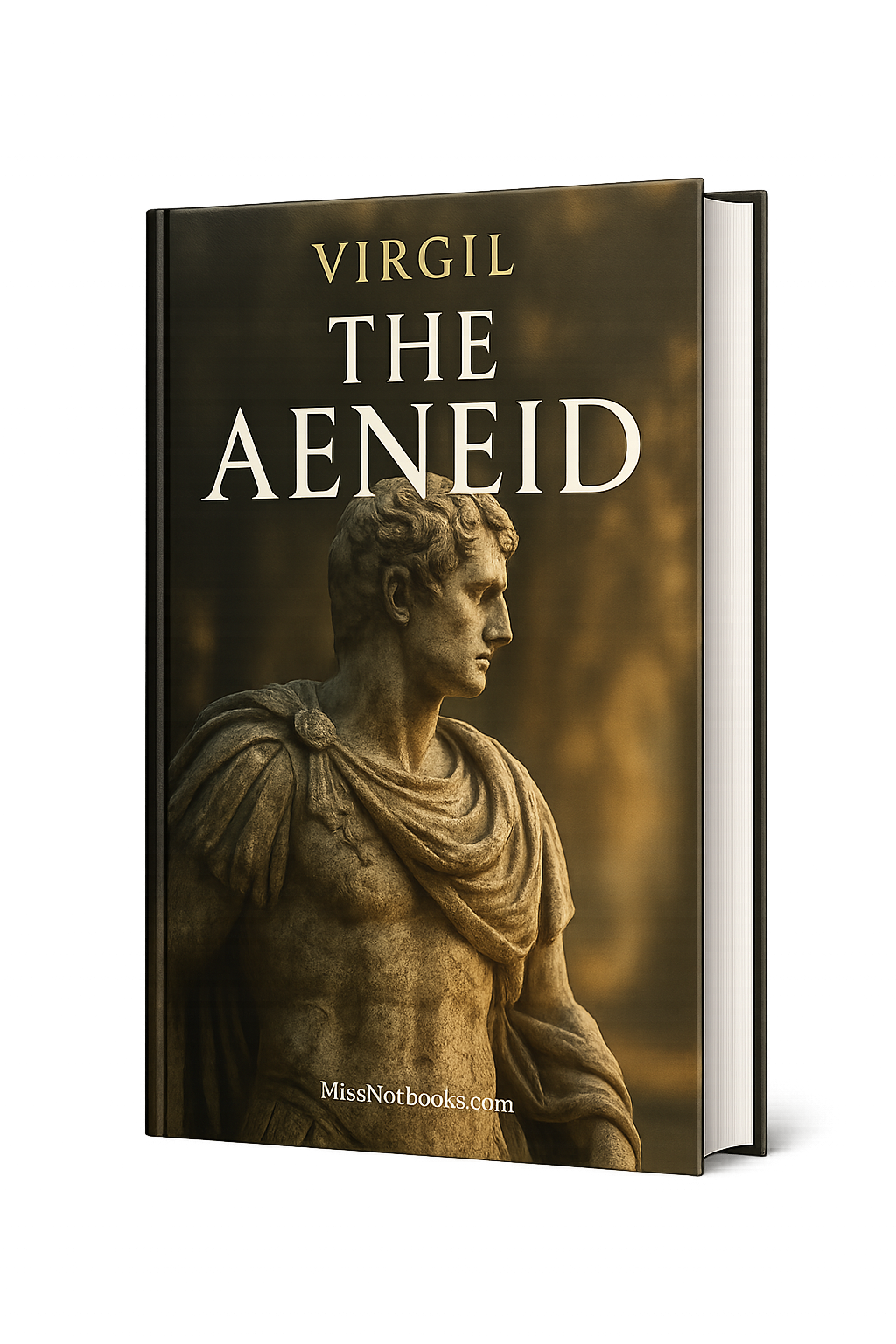
The Aeneid
In the realms of literature and cultural heritage, few works have managed to weave together history, mythology, and storytelling with as profound an impact as the epic narrative that chronicles the journey of its titular hero—one who embodies the virtues of endurance, sacrifice, and divine purpose. This work revolutionized the way we understand not only the odyssey of a single character but also the collective identity of a burgeoning nation, serving as an enduring symbol of resilience in the face of adversity. The themes and motifs introduced in this epic challenged existing narratives of heroism and destiny, giving voice to questions of duty and legacy that resonate through the ages.
Don’t miss the opportunity to engage with one of the most influential works of all time. Buy it today and explore the foundation of Western epic poetry.
Core Ideas and Main Arguments
- The Hero’s Journey: The protagonist’s odyssey illustrates the trials of fate and divine intervention, emphasizing the values of duty and honor in pursuit of a greater purpose.
- National Identity: The narrative serves as a foundation myth for an emerging civilization, reflecting the cultural aspirations and political ambitions of Rome.
- The Interplay of Fate and Free Will: It challenges readers to consider the tension between predetermined destiny and individual agency in shaping one’s path.
- Themes of Duty and Sacrifice: Central to the hero's journey is the idea of personal sacrifice for the sake of one's community and future generations.
- Divine Influence: The engaged presence of gods as characters serves to highlight the relationship between mortals and the divine, mediating human actions and outcomes.
Author’s Intentions and Context
Written during a time of political unrest and transformation in ancient Rome, the author crafted this epic not just as a story, but as a vehicle to unite the Roman people under a shared narrative of greatness. The sociopolitical landscape demanded a reinforcement of values that embodied Roman ideals—strength, virtue, and piety. By intertwining the destinies of gods and men, the work sought to provide a moral compass for an audience grappling with questions of identity and purpose during the rise of the Roman Empire.
Structure of the Book
The epic is typically divided into several distinct sections that mirror the hero’s journey:
- Books 1-6: These sections focus on the trials faced by the protagonist as he embarks on his journey to establish a new homeland, highlighting themes of perseverance and divine intervention.
- Books 7-12: The subsequent sections shift to the conflicts encountered upon arrival in Italy, where the protagonist must confront not only external adversaries but also internal struggles, embodying the challenges of founding a new city.
Each part builds upon the last, creating a cohesive narrative arc that emphasizes the necessity of trials in the path to eventual success and fulfillment.
Key Takeaways
- Readers will discover the profound connection between mythology and national identity.
- The ambivalence of fate versus free will prompts reflection on our own choices and destinies.
- The concept of duty transcends personal ambition, forging a deeper understanding of community and sacrifice.
- Exploration of divine influence on human affairs invites contemplation of the interplay between the sacred and the mundane.
Why It’s Important to Read
The work’s relevance extends far beyond its historical context, gripping readers across centuries with its exploration of universal themes that continue to shape human experience today. It remains vital for those interested in literature, history, philosophy, and cultural studies. While scholars have long revered it for its artistry and intellectual depth, general readers will find it offers rich insights into the human condition, making it a rewarding endeavor for anyone seeking to understand the foundations of storytelling and collective memory.
Impactful Quotes and Analysis
-
“Forsan et haec olim meminisse juvabit.” — “Perhaps someday we will look back on these things with joy.” This quote evokes the enduring human capacity to find hope amid suffering, resonating with those who face their own trials.
-
“Man cannot choose his fate.” This statement captures the essence of the struggle between the predetermined paths set by the gods and the actions of individuals, encouraging readers to reflect on their own lives.
-
“The mind of man is like a winding road.” Here, the author captures the complexity of human thought and decision-making, reminding us that our journeys are seldom straightforward.
About the Author
Publius Vergilius Maro, commonly known as Virgil, was born in 70 BCE and died in 19 BCE. A Roman poet of the Augustan period, his works, particularly his epic poetry, have had a lasting impact on Western literature and culture. His exploration of themes such as duty, fate, and heroism has influenced countless writers and thinkers, solidifying his legacy as a foundational figure in literary history.
This monumental work is The Aeneid by Virgil, brought to you for educational purposes by MissNotBooks.com.