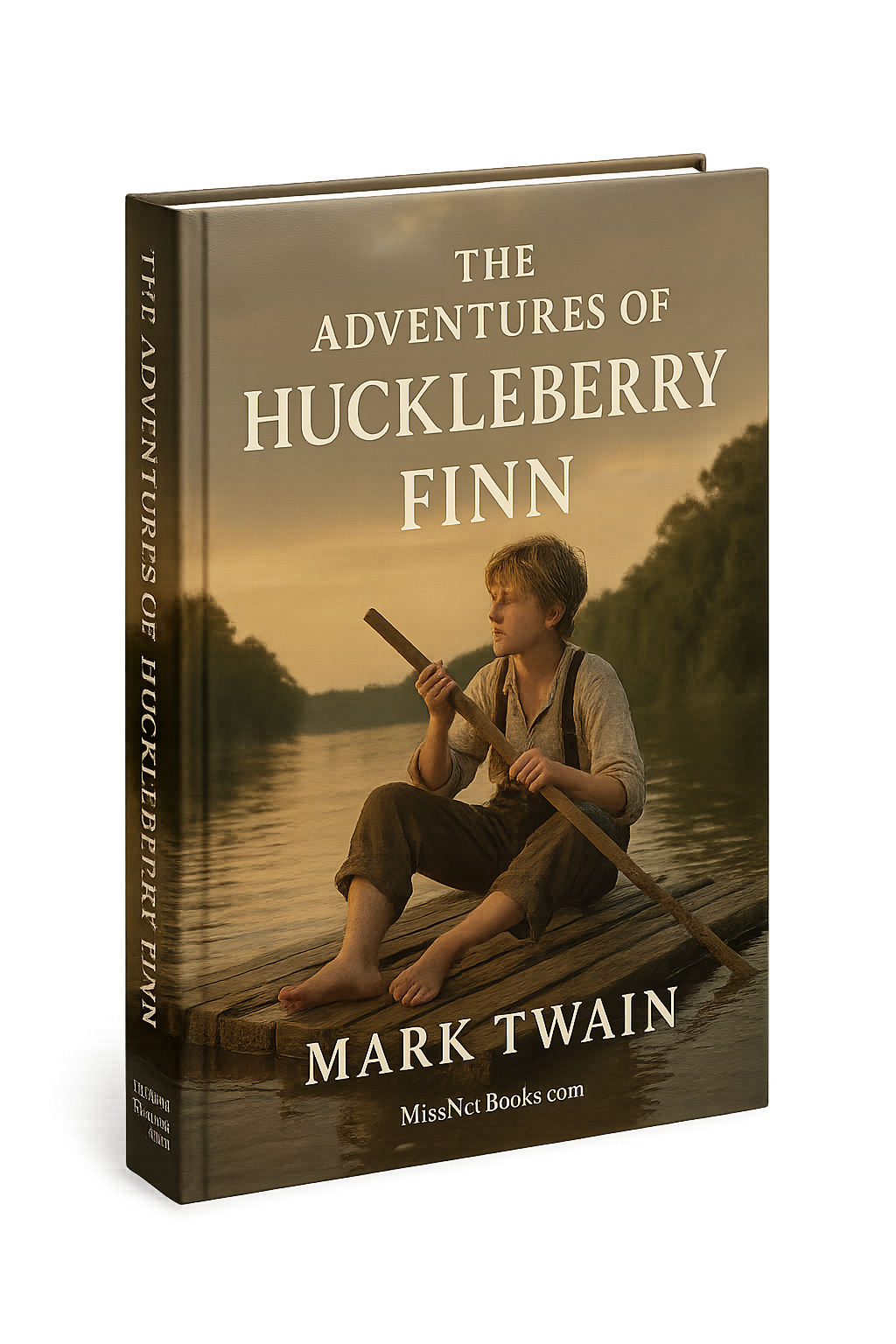
The Adventures of Huckleberry Finn
In the landscape of American literature, few works can claim the profound transformative impact that this book has had on the very fabric of societal consciousness. It boldly confronted prevailing notions of race, morality, and human freedom through the lens of an innocent boy’s journey down the Mississippi River. By weaving humor, adventure, and stark reality, this narrative challenged the status quo and initiated an enduring discourse on the human condition. Its influence reverberates through literature, education, and social justice movements today, making it an essential read for anyone seeking to understand the complexities of American identity and ethics. Don’t miss the opportunity to engage with one of the most influential works of all time. Buy it today and explore the roots of modern moral thought.
Core Ideas and Main Arguments
- Freedom vs. Conformity: The protagonist’s journey signifies a quest for personal freedom in defiance of societal norms.
- Moral Complexity: The narrative explores the nuances of right and wrong, demonstrating that morality is often not black and white.
- Critique of Racism: Through its characters and plot, the book exposes the pervasive nature of racism and its moral implications.
- Cultural Reflection: The novel serves as a mirror reflecting the social issues and cultural conflicts of pre-Civil War America.
- Childhood Innocence: The theme of innocence challenges adult perceptions of morality, suggesting that children often possess a clearer understanding of right and wrong.
Author’s Intentions and Context
Written during a time of great social upheaval in America, the author set out to capture the experiences of youth in a nation wrestling with its identity. He faced the daunting task of engaging readers with topics that were often too painful to confront directly. By choosing the voice of a young boy, he effectively highlighted the absurdities of adult prejudices and the moral dilemmas faced by characters navigating the complexities of a divided society. This book emerged as a sociopolitical commentary, urging readers to confront their biases and reconsider the definitions of freedom.
Structure of the Book
The novel is structured as a series of episodic adventures, each contributing to the protagonist's character development and the unfolding of key themes. The story follows Huck’s journey, framed by:
- Initial Conflict: Huck’s struggle with societal expectations and his desire for freedom.
- Travel and Exploration: Each encounter reveals different aspects of human nature and societal issues, effectively demonstrating the varied moral landscapes of America.
- Climactic Resolution: The eventual resolution encapsulates Huck’s internal changes and culminates in profound realizations about friendship, loyalty, and race.
Key Takeaways
- The struggle for identity and moral choice is universal and timeless.
- True friendship transcends societal barriers, revealing deeper truths.
- The narrative challenges readers to examine their own beliefs and biases regarding race and morality.
- The journey depicted serves as an allegory for the broader quest for human freedom and dignity.
Why It’s Important to Read
This book remains a crucial touchstone in American literature and social thought, providing insights that are still relevant in contemporary discussions on race, identity, and morality. Readers from various backgrounds—students of literature, history enthusiasts, and those engaged in social justice advocacy—will find value in its rich symbolism and thought-provoking themes. Engaging with this text will enhance your understanding of American history and the ongoing struggles for equality and freedom.
Impactful Quotes and Analysis
-
“All right, then, I’ll go to hell.”
This powerful declaration by Huck demonstrates his moral resolution to prioritize his loyalties to his friend Jim over societal expectations, encapsulating the book’s theme of personal ethics versus social norms. -
“We are all the same, but the world has painted us differently.”
This quote resonates with the book’s central critique of race and humanity, urging readers to see beyond superficial differences and understand shared humanity.
About the Author
Samuel Langhorne Clemens, better known as Mark Twain (1835-1910), was an American writer, humorist, entrepreneur, and lecturer. Often revered as one of the greatest American authors, Twain is noted for his keen observations of human nature and his pioneering contributions to the development of American literature. His legacy encompasses not only his narrative prowess but also his enduring critiques of social injustice and human folly, making him a foundational figure in the exploration of American identity.
This monumental work is The Adventures of Huckleberry Finn by Mark Twain, brought to you for educational purposes by MissNotBooks.com.