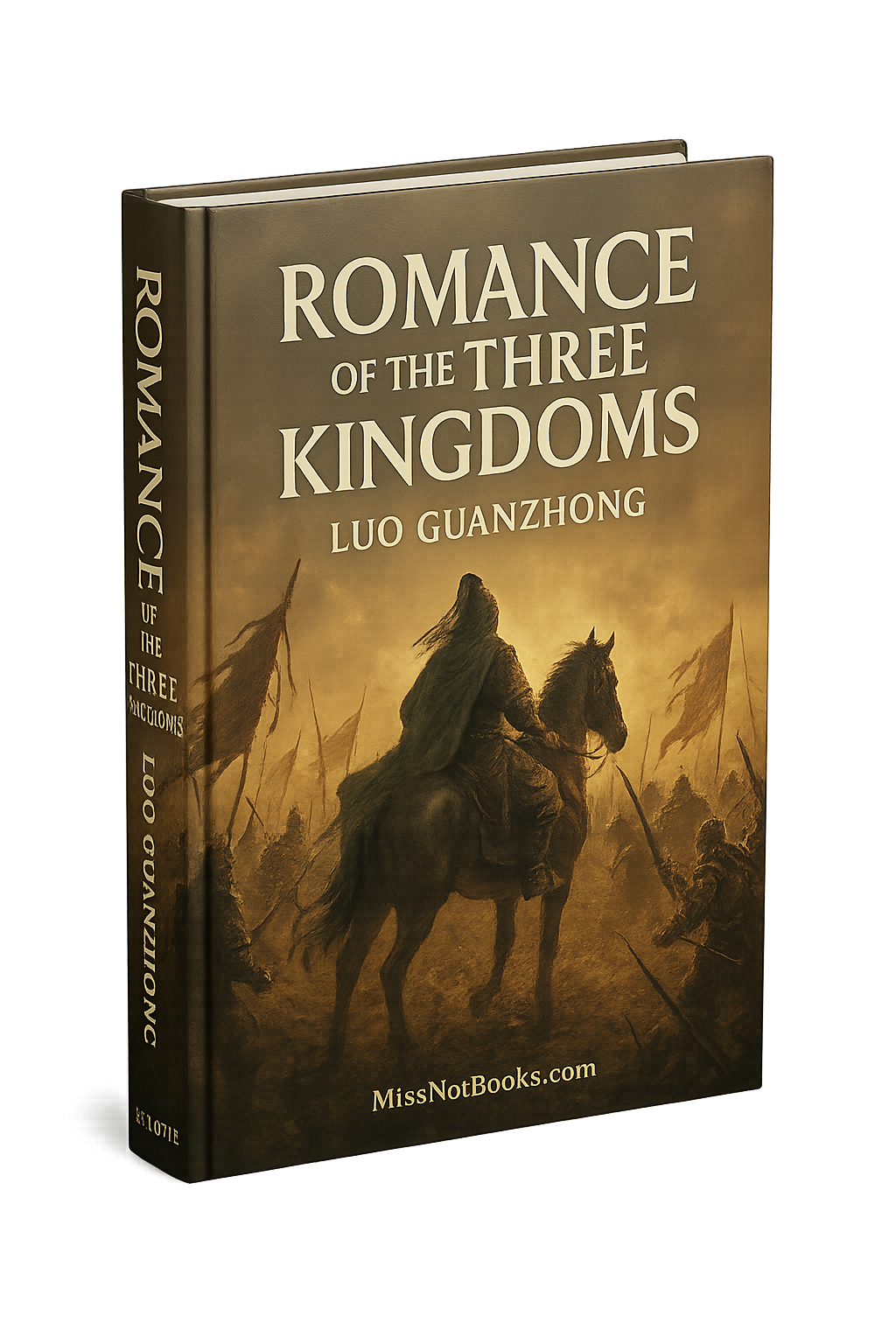
Romance of the Three Kingdoms
In a world where narratives have the power to shape cultural identities and influence the course of history, one book stands as a monumental force, revolutionizing the genre of historical fiction while delving into the complexities of loyalty, power, and the tragic nature of human ambition. Its epic saga intricately weaves together themes of conflict, honor, and the implications of political turmoil in a chaotic era. This work captivates the imagination and provokes profound reflections on governance and morality, offering a lens through which we can examine the human condition across time and culture.
Don’t miss the opportunity to engage with one of the most influential works of all time. Buy it today and explore the roots of political theory and the essence of strategic warfare.
Core Ideas and Main Arguments
- The Nature of Power: Explores how power is pursued, maintained, and lost, emphasizing the moral dilemmas leaders face.
- Friendship and Betrayal: Examines relationships and loyalty amidst betrayal, shaping the characters' fates and the broader historical narrative.
- Fate and Free Will: Challenges the notion of destiny through the characters' struggles against their ordained paths, prompting readers to reflect on agency.
- The Role of Strategy: Highlights the importance of intelligence and cunning in warfare, illustrating that success often hinges on wit as much as brute strength.
- Unity and Division: The narrative poignantly illustrates the consequences of factionalism and disunity, resonating with the political landscape of any era.
Author’s Intentions and Context
The author set out to capture the rich tapestry of a transformative period in Chinese history, during the late Han dynasty and the subsequent Three Kingdoms era. By recounting the tales of warlords and their exploits, the author aimed to inspire a sense of national identity and ethical governance during a time when the fragmentation of power loomed large. The work not only sought to entertain but also to serve as a moral edifice, encouraging readers to reflect on the lessons of history regarding leadership, moral integrity, and the social fabric.
Structure of the Book
The narrative unfolds across multiple volumes, each organized into chapters that depict critical battles, political intrigue, and character development. The structure serves to:
- Chronicle Events: Sequentially narrate the collapse of the Han dynasty, aligning with historical events to lend authenticity.
- Character Arcs: Develop rich, multifaceted characters whose motivations and evolutions highlight prevailing themes of fidelity and ambition.
- Interlaced Stories: Weave separate but interconnected tales that emphasize the broader socio-political commentary, enriching the reader's understanding of the era’s complexity.
Key Takeaways
- Complex Morality: Readers will confront the nuanced moral landscape of 2nd and 3rd-century China.
- Strategic Insight: The book offers timeless wisdom in strategy and leadership applicable across contexts.
- Historical Awareness: Enhances understanding of Chinese history and its enduring influence on contemporary society.
Why It’s Important to Read
The enduring relevance of this work is undeniable; it not only serves as a cornerstone of Chinese literature but also as a crucial study in the dynamics of leadership and statecraft relevant to any society facing division or conflict. Students of history, literature enthusiasts, and individuals interested in political theory will find profound insights within its pages. Its lessons on the interplay of morality and power echo through time, making it essential reading for anyone striving to understand the complexities of human nature and governance.
Impactful Quotes and Analysis
-
“The empire, long divided, must unite; long united, must divide. Thus it has ever been.”
- This opening line encapsulates the cyclical nature of history, suggesting that harmony and discord are inextricably linked in the social fabric.
-
“It is not what you do, but how you do it.”
- Here, the author emphasizes the virtue of character and the impact of method over mere success, resonating deeply with ethical leadership.
-
“Decisions made in times of peace determine the outcomes in times of war.”
- This quote stresses the importance of foresight and policy-making, manifesting the link between preparation and eventual outcome, applicable in both personal and political contexts.
About the Author
Luo Guanzhong (c. 1300–1400) was a Chinese historical novelist and playwright, often celebrated as one of the earliest and most significant figures in the genre of historical fiction. He is best known for this monumental effort, which not only laid the groundwork for modern narrative forms in Chinese literature but also influenced countless adaptations and interpretations in various media throughout the centuries. His legacy endures as a beacon of storytelling, capturing the essence of a pivotal epoch in Chinese history and offering timeless insights into the human experience.
This monumental work is Romance of the Three Kingdoms by Luo Guanzhong, brought to you for educational purposes by MissNotBooks.com.