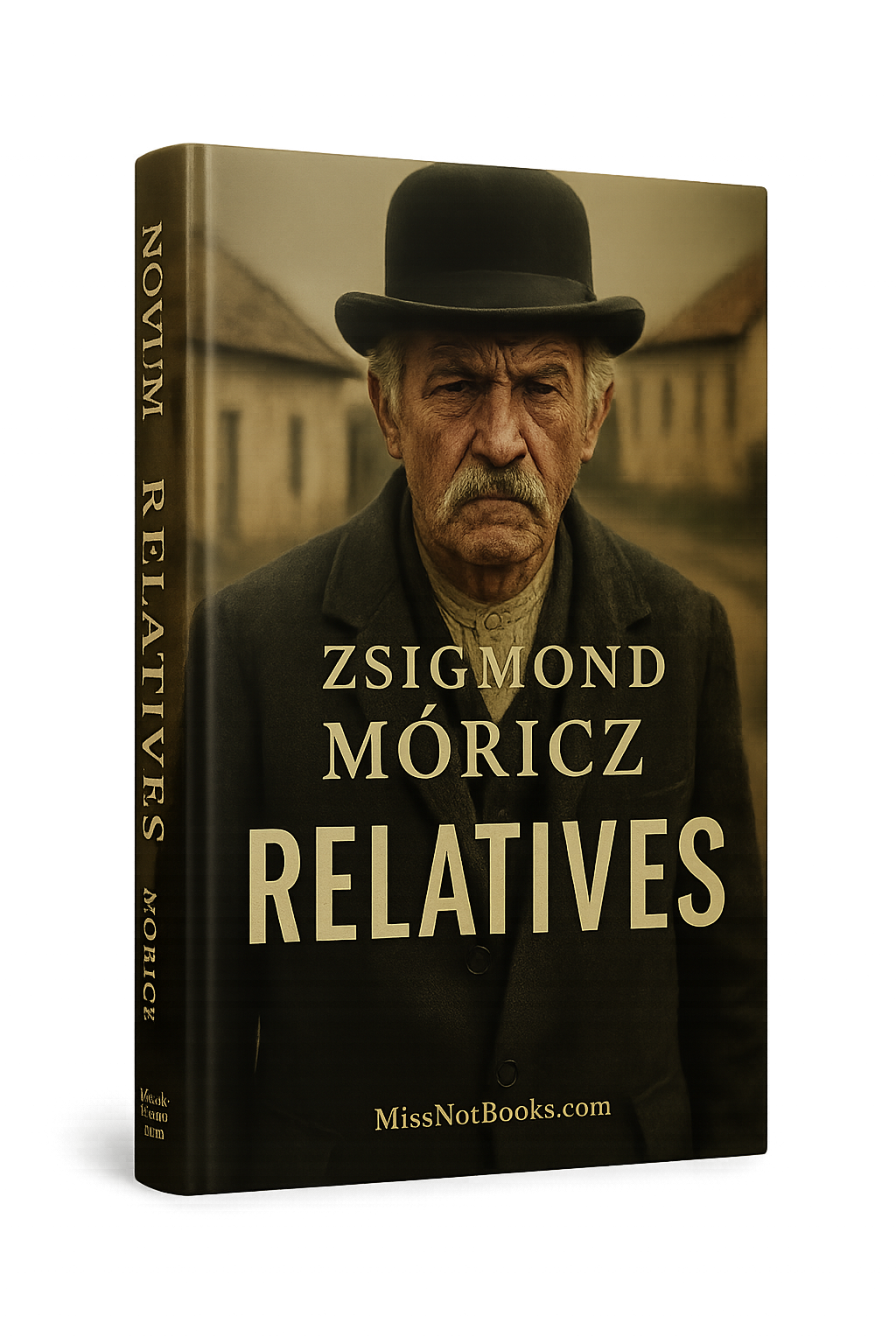
Relatives (Rokonok)
In the realm of literary and cultural discourse, few works have embodied the tumultuous interplay between tradition and modernity with the same clarity and insight as the book in question. This transformative publication serves as a mirror reflecting the complexities of societal change, revealing the struggles of the human spirit against the backdrop of shifting values, entrenched social hierarchies, and the relentless march of time. Its vivid exploration of personal and collective identity invites readers to question the status quo, making it a crucial touchstone in the literary canon. Don’t miss the opportunity to engage with one of the most influential works of all time. Buy it today and explore the intricacies of human relationships and the universal search for belonging.
Core Ideas and Main Arguments
- Conflict Between Tradition and Modernity: The book intricately portrays the clash between established customs and the evolving nature of society, focusing on how individuals navigate these tensions.
- Interpersonal Relationships: It delves deep into family ties, exploring both familial loyalty and the fractures that can arise under societal pressures.
- Social Critique: The author provides a profound critique of social norms, especially regarding class and gender roles, highlighting the struggles faced by individuals who dare to defy societal expectations.
- Identity and Self-Discovery: Central to the narrative is the journey of self-discovery, as characters confront their desires, fears, and societal roles in a rapidly changing world.
Author’s Intentions and Context
The author sought to capture the essence of a nation in flux during a period marked by rapid industrialization and cultural transformation. Responding to the sociopolitical upheavals of the early 20th century, this work challenges readers to consider the impact of modernization on the individual psyche. Through nuanced characters and poignant storytelling, the author aimed to evoke empathy for those caught in the web of changing ideologies, making a compelling case for the universality of human struggles amidst societal evolution.
Structure of the Book
The book is elegantly structured into thematic sections that each contribute to the overarching narrative of conflict and reconciliation.
- Introduction to Personal and Societal Frameworks: Sets the stage for the characters’ lives, outlining their relationships and the societal norms that govern them.
- Development of Individual Narratives: Each section deepens the exploration of individual characters, revealing their inner conflicts and desires.
- Climax of Tension: Builds towards a critical turning point, where the characters face their most significant challenges, encapsulating the themes of resistance and change.
- Resolution and Reflection: Concludes with a reflective lens, encouraging readers to ponder the outcomes of the characters’ choices in the context of broader societal implications.
Key Takeaways
- Understanding of Societal Change: Readers gain insight into how historical shifts influence personal identities and relationships.
- Empathy for Diverse Experiences: The narrative fosters a profound understanding of different social classes and their struggles.
- Challenging Norms: Encourages critical thinking about established norms and inspires readers to reflect on their values and beliefs.
Why It’s Important to Read
This book remains timeless, resonating with contemporary readers who face similar societal pressures and existential dilemmas. Its exploration of human relationships, identity, and the impact of societal expectations is not only relevant but necessary in today’s world. Scholars, activists, and anyone interested in the intricacies of human nature will find rich insights within its pages that encourage reflection and discussion.
Impactful Quotes and Analysis
- "The chains of tradition can be both a bond and a burden." This quote poignantly captures the duality of cultural heritage, illustrating how it can provide comfort while simultaneously constraining individual growth.
- "In the pursuit of self, one must often confront the shadows of others." This line speaks volumes about the nature of identity and emphasizes that self-discovery is often intertwined with the experiences and expectations of those around us.
- "Change is the only constant; in its wake, we are left to rebuild ourselves." This powerful statement serves as a reminder that societal evolution demands resilience and adaptability from individuals navigating its challenges.
About the Author
Zsigmond Móricz (1879-1942) was a prominent Hungarian novelist and playwright whose works captured the essence of early 20th-century life in Hungary. Renowned for his ability to blend social critique with deep psychological insight, Móricz's legacy lies in his commitment to portraying the struggles of the underprivileged and the complexities of contemporary life. His literary contributions have solidified his place as a key figure in Hungarian literature and a voice of social consciousness.
This monumental work is Relatives (Rokonok) by Zsigmond Móricz, brought to you for educational purposes by MissNotBooks.com.