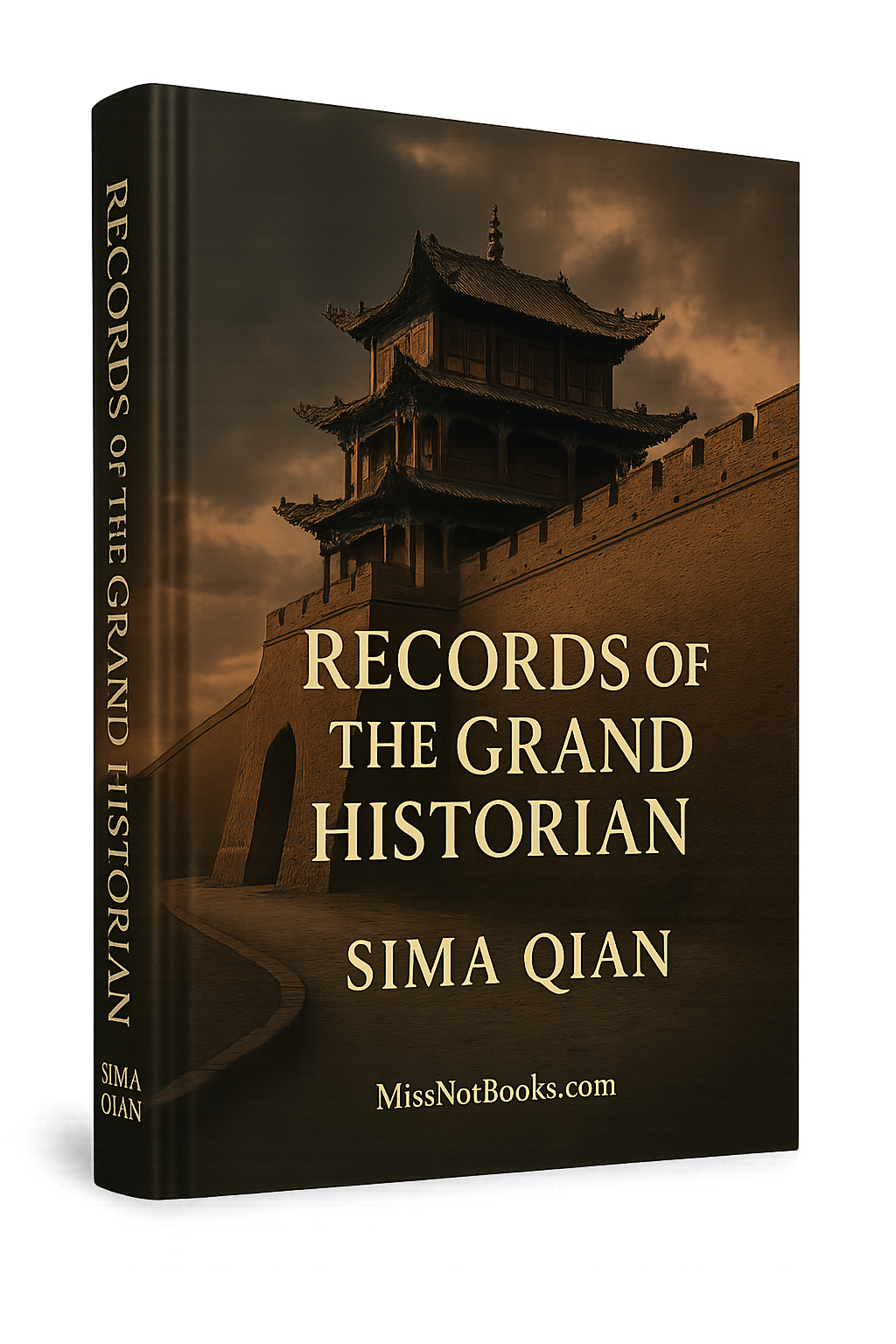
Records of the Grand Historian
Throughout the annals of history, there exists a seminal work that profoundly reshaped the way we perceive and record our past. This transformative text revolutionized the discipline of historiography, establishing the very framework upon which future historians would build their narratives. By intertwining detailed biographies with sweeping accounts of empires, this book dared to challenge prevailing notions of history, calling upon a moral and ethical lens that continues to resonate today. Its impact is such that it invites readers not merely to engage with the past but to reflect on the very nature of history and its role in shaping human experience.
Core Ideas and Main Arguments
- Comprehensive Historical Narrative: The book presents a sweeping chronicle of dynasties, emperors, battles, and societal changes in a way that interweaves the personal with the political.
- Moral and Ethical Reflections: It goes beyond mere chronology, offering philosophical insights and ethical lessons drawn from historical events, encouraging readers to consider the implications of past actions.
- Biographical Depth: The inclusion of detailed biographies illustrates the complexities of historical figures, highlighting their personal motivations and moral quandaries, thus humanizing history.
- Critical Examination of Sources: It emphasizes the importance of diverse perspectives in historical writing and often questions the reliability of sources, laying a foundation for critical historiography.
Author’s Intentions and Context
The author set out to preserve the memory of his culture amidst the tumultuous backdrop of the Western Han dynasty. Responding to the challenges posed by the ongoing conflicts and the need for a cohesive national narrative, the author aimed to assert the value of historical knowledge as a tool for wisdom and governance. This work was not just a recounting of events; it served as a moral guide and a call for ethical leadership, addressing the pressing philosophical dilemmas of life, loyalty, and duty in a fragmented society.
Structure of the Book
The book is organized into multiple sections, each delineating a different era or significant figure, ensuring a comprehensive exploration of historical progression:
- Chronological Framework: The first section chronicles the formation of the earliest dynasties, setting the stage for the subsequent analyses.
- Biographical Accounts: Following the historical narratives, detailed accounts of prominent figures provide insights into their personal lives and decisions.
- Philosophical Discourse: Interspersed throughout the text, discourses on moral philosophy challenge readers to reflect on the implications of leadership and governance.
Key Takeaways
- Understanding the interplay between personal motivations and the broader socio-political landscape is crucial in grasping the intricacies of history.
- Engaging with historical narratives fosters a deeper awareness of present challenges, particularly in terms of ethics in leadership and governance.
- The exploration of historical methodology encourages critical thinking about the sources and narratives we accept as truth.
Why It’s Important to Read
This book remains vital in understanding not only Chinese history but also the broader disciplines of historiography and ethics. Scholars, students, and anyone interested in the nuances of moral philosophy or the challenges of leadership will find profound insights within its pages. Its lessons transcend cultural boundaries, making it relevant to contemporary discussions about politics, ethics, and identity. Whether one approaches it as a scholar or as a layperson, its timeless wisdom offers invaluable guidance.
Impactful Quotes and Analysis
-
“The study of history is to return to antiquity and observe the rise and fall of emperors.”
This quote encapsulates the essence of historical inquiry: understanding the cyclical nature of power and its impact on society, a theme that resonates with readers across generations. -
“Those who do not know their history are doomed to repeat it.”
This poignant observation serves as a warning and a call to action, urging readers to learn from the past to inform their present decisions. -
“He who cherishes his life and his history must also cherish those who’ve come before him.”
This reflects the moral imperative of history, emphasizing respect for one’s cultural heritage and the lessons learned from it.
About the Author
Sima Qian (circa 145–86 BCE) was a Chinese historian, astronomer, and philosopher, renowned for his profound impact on historiography and the foundations of Chinese historical tradition. Born during the Western Han dynasty, Sima Qian was tasked with completing the history of China. His innovative narrative style and interdisciplinary approach have left a lasting legacy, establishing standards for historical writing that continue to influence scholars to this day.
This monumental work is Records of the Grand Historian by Sima Qian, brought to you for educational purposes by MissNotBooks.com.