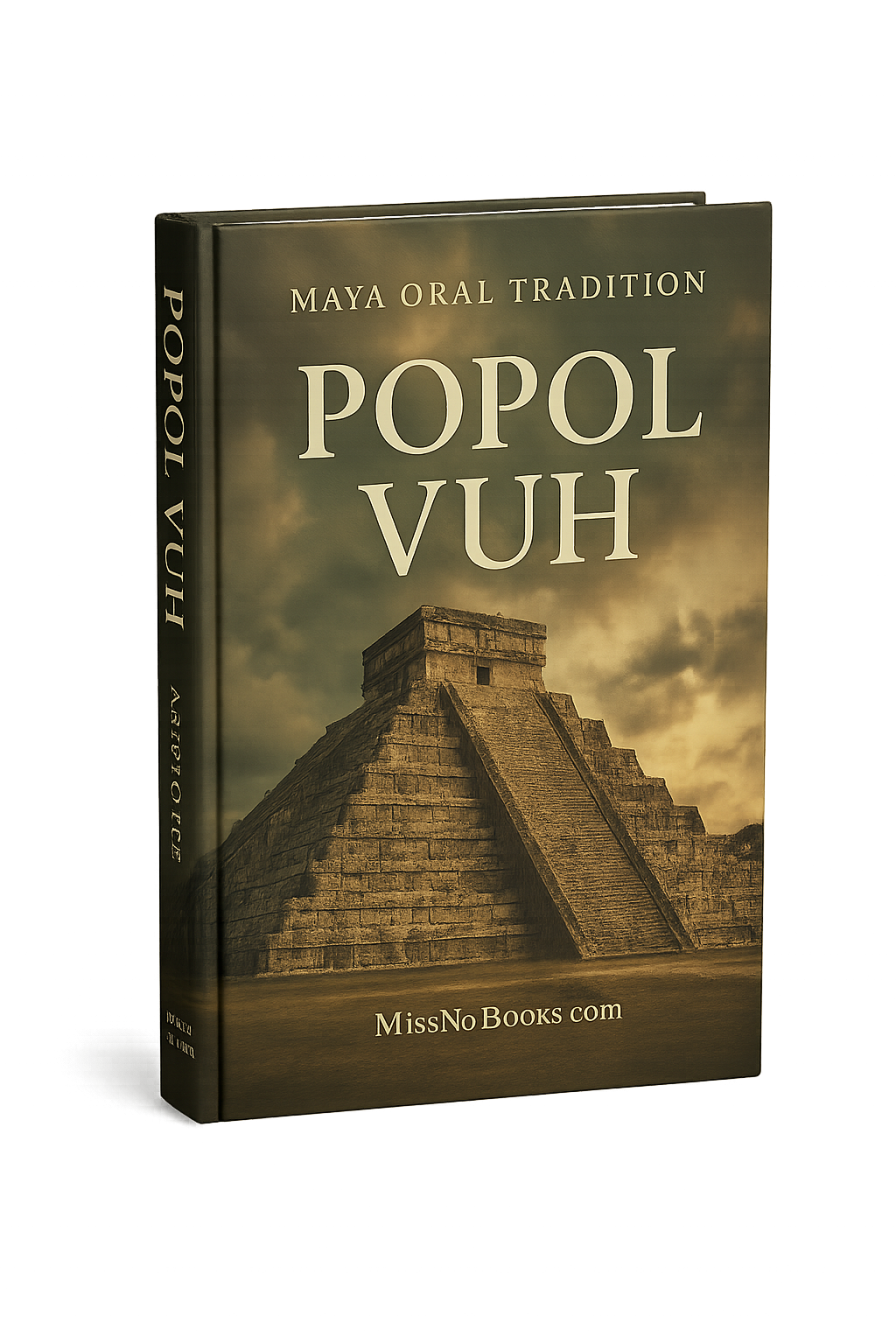
Popol Vuh
Throughout history, few texts have succeeded in reshaping our understanding of culture, spirituality, and identity as profoundly as this seminal work. It challenges readers to engage with the foundational narratives of a civilization, offering not only a glimpse into the past but also a lens through which to perceive the complexities of human existence. This book revolutionized our comprehension of mythology and history, laying bare the rich tapestry of a culture often overlooked by mainstream discourse. It invites us to reconsider the structures of our own beliefs and traditions through the vibrant stories of creation, heroism, and the human condition. Don’t miss the opportunity to engage with one of the most influential works of all time. Buy it today and explore the roots of Mesoamerican thought.
Core Ideas and Main Arguments
- Creation Myths: It presents multiple creation stories that illustrate the relationships between gods and humanity, reinforcing the significance of divine influence in earthly affairs.
- Heroic Quests: The narratives feature heroes who face trials, embodying the ideals and virtues of the culture while mirroring the journey of existential struggle and triumph.
- Cycles of Life: The text explores themes of life, death, and rebirth, emphasizing the cyclical nature of existence that resonates deeply within the community’s worldview.
- Cultural Identity: It serves as a cornerstone for understanding the cultural and spiritual values of the Maya, reinforcing the importance of recording oral traditions and historical accounts.
Author’s Intentions and Context
The author crafted this work in a period when the oral histories of the Maya were at risk of being overshadowed by colonial narratives. By documenting these creation stories and myths, the author aimed to preserve a rich cultural heritage and challenge the increasingly dominant European ideologies. The book reflects a profound response to the existential dilemmas facing the Maya Civilization, including the tensions between tradition and change, spirituality and materialism, as well as indigenous resilience in the face of outside forces.
Structure of the Book
This text is intricately divided into thematic sections, each weaving together narratives, explanations, and meditations on life:
- Creation: Discusses the origins of the world and humans, setting the stage for the tales to unfold.
- The Hero Twins: Chronicles the adventures and trials faced by the protagonists, illustrating their growth and the wisdom gained through experience.
- Historical Accounts: Provides insight into the lineage of gods and kings, linking the divine with the terrestrial, and solidifying cultural identity.
- Death and Renewal: Concludes with reflections on mortality and the promise of rebirth, encapsulating the cyclical concept of existence.
Key Takeaways
- The interplay of myth and reality reveals deep truths about the human experience.
- Identity is forged through stories; understanding one's past is essential to navigating the future.
- Challenges can lead to transformative growth and wisdom.
- Cultural narratives possess a power that transcends time, holding lessons for contemporary readers.
Why It’s Important to Read
This book holds immense relevance today, not only as a key text in understanding Mesoamerican culture but also as an exploration of universal themes of creation, existence, and identity that resonate across ages and societies. Scholars, students, and anyone intrigued by the narratives that shape human experience will find value in exploring its pages. The work serves as a reminder of the importance of preserving oral histories in a rapidly changing world, urging readers to reflect on their narratives and place within the continuum of life.
Impactful Quotes and Analysis
-
“They took the clay and made it with water, and this was the first heart of the human being.”
- This quote encapsulates the profound relationship between the divine and humanity, signaling the sacredness of creation and the intrinsic connection between all forms of life.
-
“The hero is marked by the struggles he endures, never losing sight of his purpose.”
- Here, the timeless theme of resilience is articulated, encouraging readers to find strength in adversity, a lesson that remains relevant across cultures and eras.
-
“In the end, it is not death that is feared, but the life unlived.”
- This reflection on mortality invites introspection about the choices we make, urging an engagement with the full spectrum of existence.
About the Author
The author of this pivotal text is an unnamed figure from the ancient Maya civilization, a culture renowned for its sophistication in art, science, and mythology. Its oral traditions were eventually transcribed in the Colonial period, aiming to preserve the legacies of a people who faced profound upheaval. The author’s intent was not merely to document history but to embed the cultural essence of a civilization in a form that could endure the ravages of time and conquest, ensuring that the voices of the Maya would resonate throughout history.
This monumental work is the Popol Vuh by the Maya Oral Tradition, brought to you for educational purposes by MissNotBooks.com.