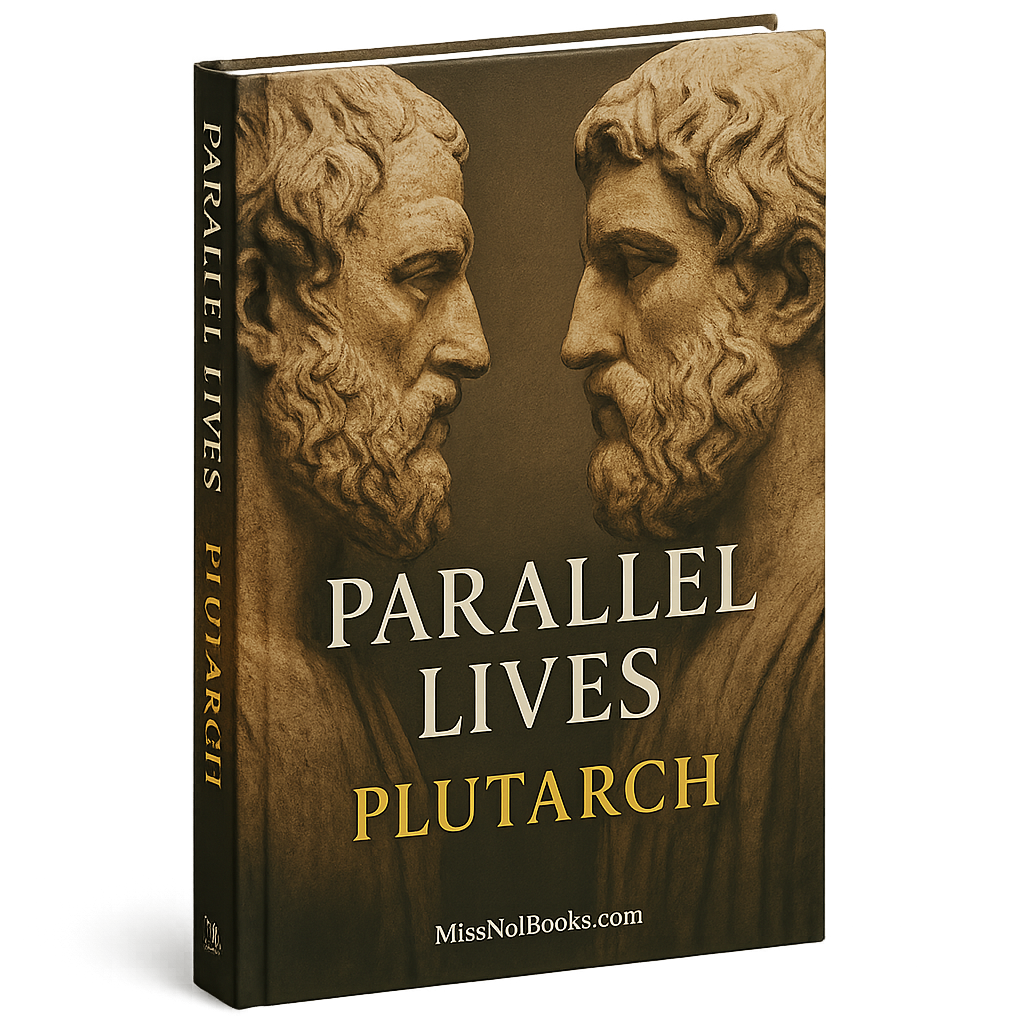
Parallel Lives
In a world where the intricacies of human character and the complexities of political dynamics often escape simplified explanations, few works have emerged to revolutionize our understanding of moral philosophy, history, and the nature of leadership. This transformative book invites readers to explore the lives of remarkable figures from the past and serves as a lens through which we can examine both greatness and failure. It confronts traditional narratives, presenting a rich tapestry of biographical insights that challenge how we perceive virtue, ethics, and the very essence of what it means to lead. By weaving together the threads of personal stories and universal themes, it has uniquely influenced generations seeking wisdom from the past.
Core Ideas and Main Arguments
- The Duality of Character: The book elegantly juxtaposes the lives of significant historical figures, revealing that greatness often arises from a combination of virtues and flaws.
- Moral Lessons: Each biography is designed to evoke ethical reflections, underscoring the idea that human strength and weakness can offer profound lessons to contemporary readers.
- Cultural Reflections: The work critiques societal norms and values, suggesting that understanding diverse perspectives is essential for personal and civic growth.
- Historical Continuity: By drawing parallels between individuals from different cultures, it illustrates the universality of certain human experiences across time and space.
Author’s Intentions and Context
Written during a period of philosophical revival in ancient Greece and Rome, the author aimed to confront the moral ambiguities of his time. The political turmoil and ethical dilemmas faced by society served as a backdrop for this work, which sought to offer guidance and inspiration through the lens of historical biography. By showcasing both renowned triumphs and failures, the author intended to foster a deeper understanding of human nature and the enduring lessons gleaned from the past.
Structure of the Book
The book is organized into pairs of biographies, each focusing on individuals who, although distinct in their backgrounds and cultures, exhibited parallel traits or faced comparable challenges. This comparative structure underscores the complexities of their achievements while allowing readers to draw insightful connections between different events and philosophies. Each section begins with a brief introduction to the figures and culminates in reflections that highlight their respective legacies.
Key Takeaways
- Historical figures are multifaceted, with their lives demonstrating that greatness is often fraught with struggle and moral tension.
- Understanding the past is crucial for navigating contemporary issues, as the lessons contained in these narratives remain timeless.
- Leadership is not merely about power; it also involves moral integrity, empathy, and resilience.
Why It’s Important to Read
This work remains profoundly relevant, inviting readers to engage with the moral ambiguities inherent in leadership and human behavior. It captivates historians, ethicists, and anyone interested in the legacy of human thought and action. Those seeking motivation in their own lives, as well as insight into contemporary issues of governance and morality, will find this exploration invaluable. Engaging with these narratives can illuminate the paths we traverse today, reminding us that understanding our history is key to shaping a better future.
Impactful Quotes and Analysis
- “The mark of an excellent leader is not just their achievements but their willingness to learn from their failures.” This thought resonates deeply, as it implies that true greatness involves reflection and growth, a lesson that remains crucial in leadership today.
- “What we can learn from the past we can apply to the present.” This poignant assertion emphasizes the continuous relevance of history, urging modern readers to glean wisdom from historical experiences to inform current decisions.
About the Author
The author, Plutarch of Chaeronea (circa 46 – circa 120 AD), was a Greek biographer and essayist whose works laid the groundwork for comparative biography in Western literature. His keen insights into human nature and moral philosophy have profoundly shaped both historical narrative techniques and ethical discourse. He is celebrated for his enduring legacy that bridges ancient wisdom with contemporary thought, influencing countless thinkers throughout history.
Don’t miss the opportunity to engage with one of the most influential works of all time. Buy it today and explore the moral fabric of leadership through the lives of extraordinary individuals.
This monumental work is Parallel Lives by Plutarch, brought to you for educational purposes by MissNotBooks.com.