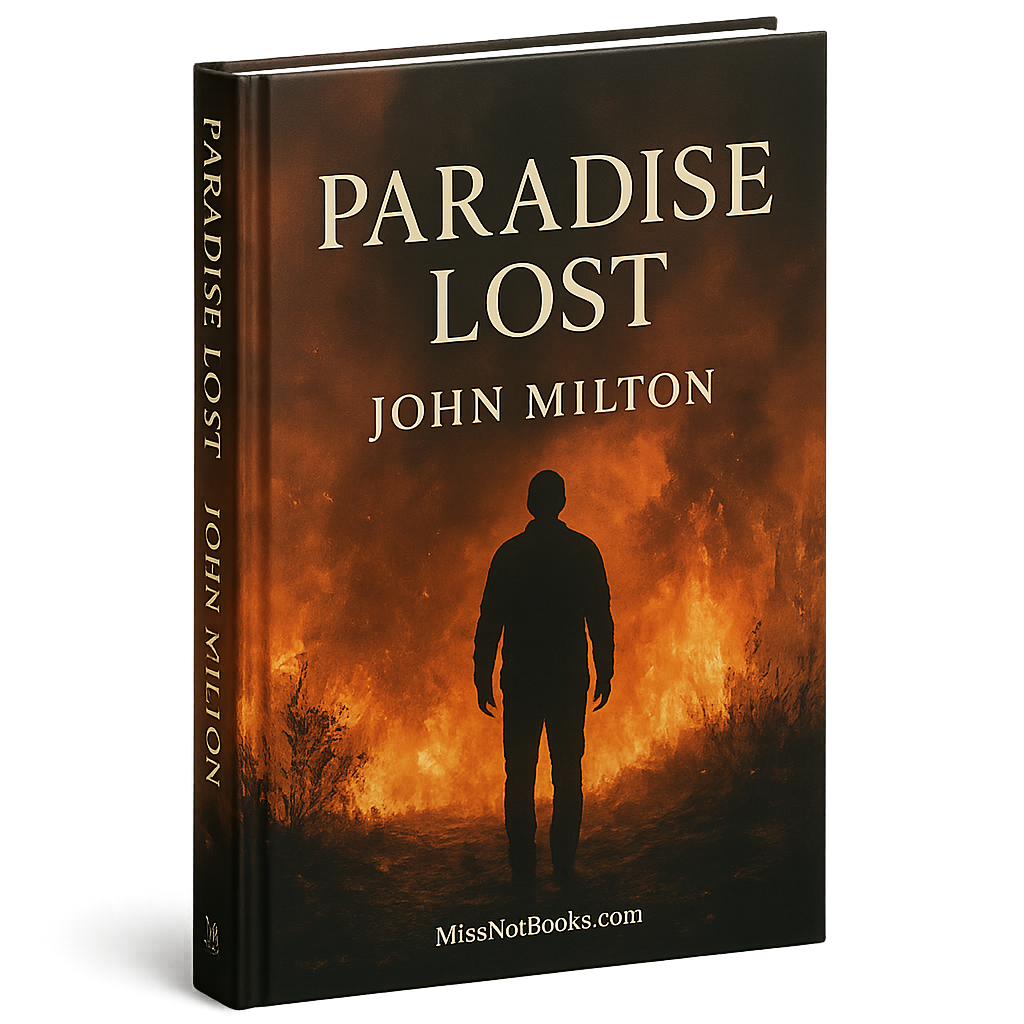
Paradise Lost
In a time marked by profound upheaval and intellectual ferment, one seminal work emerged that would forever alter the landscape of literature, theology, and philosophical inquiry. This book not only redefined epic poetry but also challenged contemporary notions of freedom, obedience, and the nature of good and evil. Through its nuanced portrayal of divine justice and the human condition, it laid the foundation for debates about morality and faith that continue to resonate today. It is a transformative force that invites readers to explore themes of temptation, redemption, and human agency. Don’t miss the opportunity to engage with one of the most influential works of all time. Buy it today and explore the roots of our understanding of human nature and the struggle between good and evil.
Core Ideas and Main Arguments
- The Complex Nature of Good and Evil: The text delves into the duality of existence, presenting nuanced characters who embody complex moral dilemmas rather than traditional archetypes of good and evil.
- Free Will and Predestination: A central theme is the tension between divine authority and human freedom, forcing readers to confront the implications of choice and accountability.
- The Heroism of Rebellion: The narrative reframes the notion of rebellion, suggesting that questioning authority is an inherent part of the human experience, raising important ethical questions about the legitimacy of power.
- Redemption and Grace: The exploration of redemption is profound, illustrating the possibility of grace amidst fallen human nature, and the hope that emerges through suffering and repentance.
Author’s Intentions and Context
The author, writing during the tumultuous period of the English Civil War and the Restoration, aimed to grapple with profound questions about faith, governance, and individual rights. He sought to articulate a vision of human dignity that could withstand the erosions brought about by political and religious strife. The text is a response to the challenges of dogma and tyranny, aiming to restore a sense of agency and moral clarity in a world overwhelmed by chaos.
Structure of the Book
This epic is divided into several books, each delineating key narrative arcs and themes:
- Books 1-3: Set the stage for the cosmic struggle between Heaven and Hell, introducing pivotal characters and the theme of free will.
- Books 4-6: Explore the Fallen Angels' rebellion and the consequences of their choices, providing deep philosophical reflections on disobedience and its repercussions.
- Books 7-9: Introduce the creation of man, the idyllic state of Eden, and the tragic fall, focusing on human relationships, temptation, and sin.
- Books 10-12: Conclude with the expulsion from Paradise and the promise of redemption, weaving together the narrative threads and solidifying the overarching themes of hope and moral struggle.
Key Takeaways
- Readers will encounter a rich tapestry of philosophical inquiry regarding the nature of freedom and authority.
- The text encourages a reflection on individual choices and their profound implications in shaping moral destiny.
- It emphasizes the importance of resilience in the face of adversity, presenting a narrative that is both cautionary and uplifting.
Why It’s Important to Read
This work remains a vital part of the literary canon because it transcends time, offering insights that apply to modern debates about ethics, governance, and individual rights. Its exploration of complex characters and dilemmas makes it essential reading for anyone seeking to understand the depths of human nature and the ongoing struggle between enlightenment and ignorance. Literature enthusiasts, philosophers, and historians will find themselves profoundly enriched by engaging with its themes.
Impactful Quotes and Analysis
-
"Better to reign in Hell than serve in Heaven."
This powerful assertion challenges conventional views of authority and hierarchy, inviting readers to consider the value of autonomy, even in less-than-ideal circumstances. -
"The mind is its own place, and in itself can make a Heaven of Hell, a Hell of Heaven."
This reflects the transformative power of personal perception and mental resilience, underscoring the idea that our internal landscapes can shape our realities. -
"What though the field be lost? All is not lost—the unconquerable will..."
Here lies a testament to the indomitable human spirit; it speaks to the capacity for hope and defiance, even after seeming failure.
About the Author
John Milton (1608-1674) was an English poet, polemicist, and civil servant known for his profound contributions to literature and political thought. A staunch advocate of freedom of speech and the rights of individuals, Milton's work played a significant role in the intellectual currents of his time, influencing religious, political, and literary discourses long after his death. His legacy endures as one of the greatest poets in the English language, with this monumental work standing at the center of his impressive body of literature.
This monumental work is Paradise Lost by John Milton, brought to you for educational purposes by MissNotBooks.com.