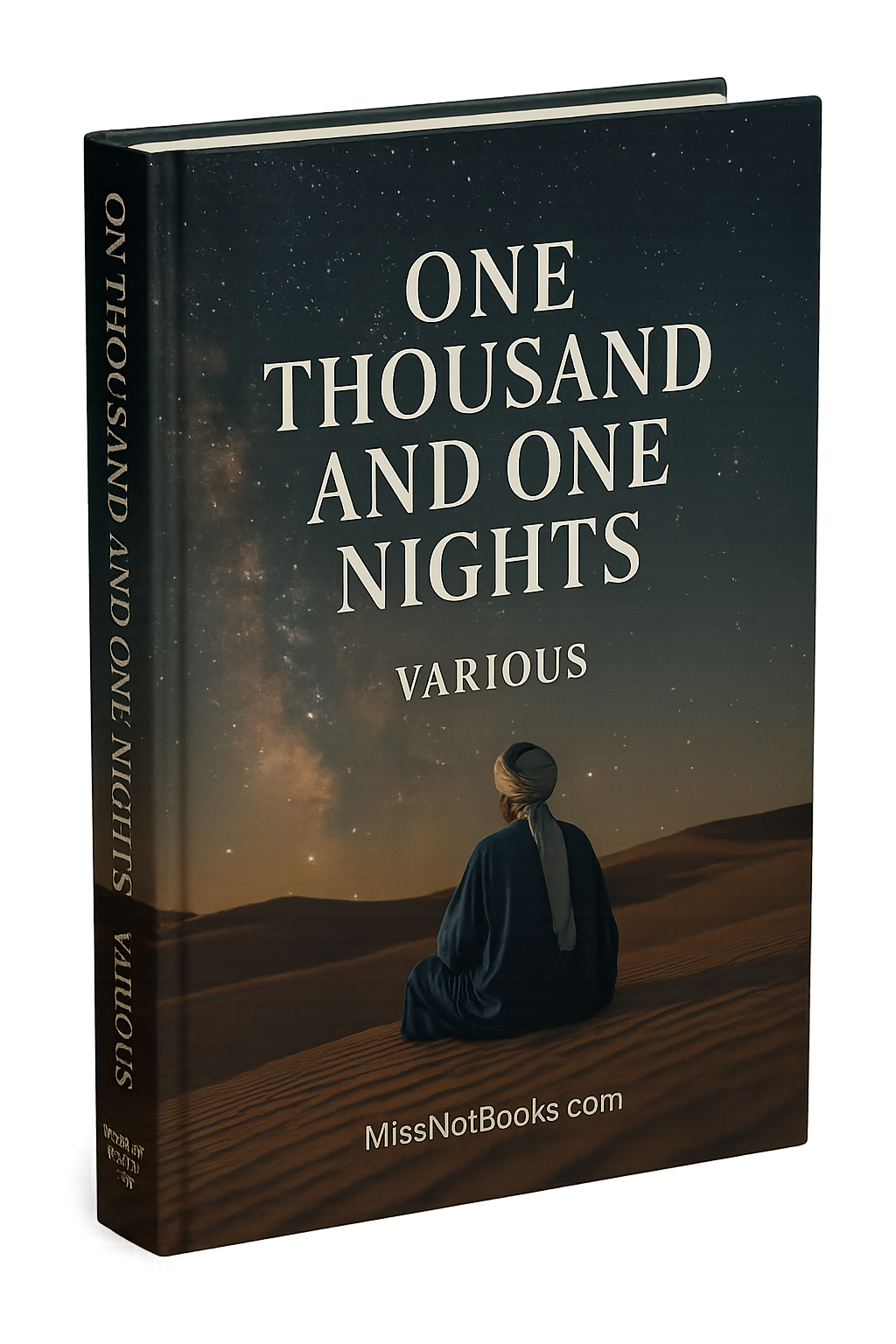
One Thousand and One Nights
In a world where storytelling wields the power to transcend time and culture, few collections have so drastically transformed the landscape of literature as the compendium known for its enchanting tales and rich narrative tradition. This monumental work invites readers into an intricate tapestry of adventures, wisdom, and the human experience, illustrating not only the art of storytelling but also the profound impact of narrative on cultural identity and moral contemplation. Its influence has revolutionized how we perceive fables and folklore, making it a cornerstone of both Eastern and Western literary traditions.
Core Ideas and Main Arguments:
-
The Power of Storytelling: Explores the idea that stories can capture hearts and minds, highlighting storytelling as a vital tool for survival and agency.
-
Cunning and Wit as Virtues: Proposes that intelligence and resourcefulness are paramount, epitomized through characters who navigate perilous situations through cleverness rather than brute strength.
-
The Interconnection of Human Experience: Links diverse tales of love, betrayal, adventure, and moral dilemmas, suggesting a shared human journey regardless of cultural background.
-
The Nature of Fate and Free Will: Delves into the tension between predestination and autonomy, as characters frequently face the consequences of their decisions amidst overarching fates.
Author’s Intentions and Context:
The intention behind compiling these timeless tales reflects a rich tradition of oral storytelling, aimed at both entertaining and educating audiences across centuries. Emerging during the Islamic Golden Age, this collection responds to a landscape ripe for cultural exchange, where narratives served to illuminate social norms, religious beliefs, and the complexities of human relationships. It invites reflection on morality, governance, and the interplay of power, making it a significant contribution against the backdrop of 8th to 14th-century literary developments in the Middle East and beyond.
Structure of the Book:
The structure consists of individual stories interwoven with a main narrative arc, wherein the character of Scheherazade tells tales to captivate King Shahryar night after night. Each night’s tale emerges as a standalone narrative while contributing to an overarching theme of survival and resilience:
-
Nightly Tales: A series of adventures featuring various protagonists—from merchants and princes to magical beings and clever commoners.
-
Interludes of Reflection: Moments where characters share insights or moral lessons, prompting readers to ponder deeper philosophical questions.
-
Cyclical Themes: Recurring motifs of love, betrayal, loyalty, and intrigue emphasize the complexity and richness of human emotions.
Key Takeaways:
-
Narrative as a Survival Mechanism: Readers recognize the crucial role of stories in navigating challenges and sustaining hope.
-
Complex Ethical Dilemmas: Engaging with the tales invites contemplation of ethics and morality, promoting critical thinking.
-
Cultural Richness and Diversity: The collection highlights the interconnected nature of various cultures, revealing shared narratives across human societies.
Why It’s Important to Read:
This anthology continues to resonate with readers seeking not only escapism but also profound insights into the human condition. Its versatility makes it an invaluable resource for lovers of literature, historians, and cultural enthusiasts alike. By immersing oneself in its pages, one gains appreciation for the nuanced intricacies of storytelling and its ability to bridge gaps between diverse cultures, reminding us of our shared humanity.
Impactful Quotes and Analysis:
-
"In the land of the blind, the one-eyed man is king."
- This quote underscores the theme of perspective and the relative nature of knowledge, suggesting that wisdom may come from embracing unique viewpoints.
-
"Tell me a tale that will teach me something."
- This invitation reflects the intrinsic human desire for learning through stories, emphasizing that narratives can be vehicles of education and personal transformation.
-
"The stories we tell are the stories we live."
- This powerful assertion stresses that storytelling shapes our identities and experiences, revealing the intrinsic link between narrative and reality.
About the Author:
The origins of this work are as diverse as its tales, having been penned by various authors and storytellers across centuries. While precise attribution remains elusive, its collective creation spans across cultures, with roots in Arabic, Persian, Indian, and other traditions. The stories themselves reflect the rich historical legacy and intellectual dynamism of their time, significantly influencing subsequent literature and art worldwide.
This monumental work is One Thousand and One Nights by Various, brought to you for educational purposes by MissNotBooks.com.