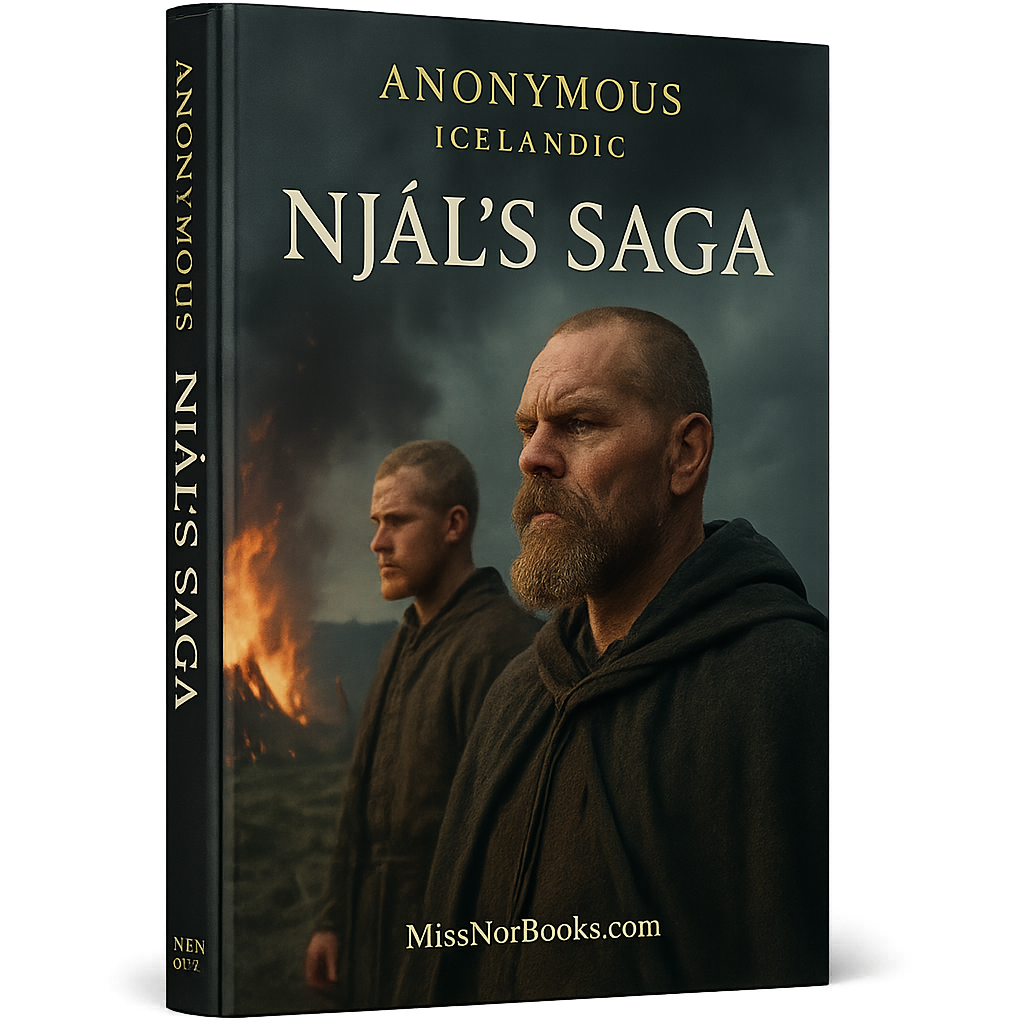
Njál's Saga
In an era steeped in legend and warfare, one groundbreaking narrative emerged to revolutionize the way we perceive heroism, morality, and the complexities of human relationships. This work not only transcended the boundaries of time and place but also challenged prevailing notions of justice and fate, serving as a profound commentary on the intersection of personal honor and societal obligation. By weaving together epic storytelling with poignant themes of revenge and reconciliation, it transformed Icelandic literature and offered insights that resonate within the broader spectrum of human experience. Don’t miss the opportunity to engage with one of the most influential works of all time. Buy it today and explore the intricate tapestry of honor, tragedy, and the human condition.
Core Ideas and Main Arguments
- The Nature of Honor and Revenge: The saga meticulously examines the motives behind personal vengeance and the subsequent cycles of retribution that ensue, questioning the morality of honor-based conflicts.
- Fate and Free Will: Characters grapple with their destinies, confronting the extent to which they are shaped by external forces or their own choices, illuminating the tension between predetermined fate and human agency.
- Complex Characterization: The richness of the characters, from flawed protagonists to cunning antagonists, reflects the intricacies of human nature, showcasing virtues and vices in equal measure.
- Community Dynamics: The saga highlights the importance of kinship and community, delving into how personal actions reverberate throughout societal structures and influence collective relationships.
Author’s Intentions and Context
The anonymous author of this saga sought to preserve and articulate the rich oral traditions of Icelandic culture while addressing the burgeoning conflicts intrinsic to Norse society in the 13th century. During a time when Iceland was navigating the complexities of law, governance, and familial loyalty, the author aimed to reflect on the harsh realities of life, the inevitability of strife, and the pursuit of justice. This narrative serves as both a cautionary tale and a celebration of the human spirit amidst chaos.
Structure of the Book
The saga unfolds through a series of interconnected episodes, structured around the lives of key characters and their entangled fates. It begins with the establishment of familial lineages, progresses through conflict and betrayal, and culminates in climactic confrontations and resolutions. Each chapter builds upon the last, creating a cohesive narrative that illustrates the themes of revenge and honor in a compelling, dramatic fashion.
Key Takeaways
- Readers will gain insights into the complicated moral landscape of human actions dictated by honor and revenge.
- The exploration of fate and free will prompts deep reflection on personal responsibility and the nature of choice.
- The saga serves as a mirror, revealing the enduring traits of human nature that transcend cultures and epochs.
Why It’s Important to Read
This saga remains a vital piece of literature not only for its aesthetic beauty and narrative depth but also for its incisive explorations of the human psyche and societal norms. Scholars, students, historians, and casual readers alike will find value in its timeless themes, making it an essential read for anyone seeking to understand the foundations of legal and ethical thought, as well as the evolution of narrative as a fundamental aspect of culture.
Impactful Quotes and Analysis
-
“Cursed is he who lives from revenge.”
This stark statement encapsulates the saga's core warning about the perils of vengeful ambition, inviting readers to reflect on the consequences of such a mindset on one’s life and legacy. -
“The best thing is to take revenge upon your enemies, but to plot against your friend is the worst of all.”
This quote underscores the complexity of human relationships, highlighting the narrative's shift from traditional revenge to the more profound betrayal that can occur within trusted alliances. -
“Fate is a bridge we must cross ourselves.”
Here, the author poignantly articulates the tension between destiny and human agency, emphasizing the role of personal choice in shaping one’s path.
About the Author
The true identity of the author remains shrouded in mystery, yet the impact of their contributions to Icelandic literature is undeniable. Living in the 13th century, during a transformative period in Iceland’s history, this anonymous storyteller captured the essence of Norse culture through vivid characters and intricate plots. Their legacy lives on as a cornerstone of saga literature, influencing generations of writers and thinkers.
This monumental work is Njál's Saga by Anonymous, brought to you for educational purposes by MissNotBooks.com.