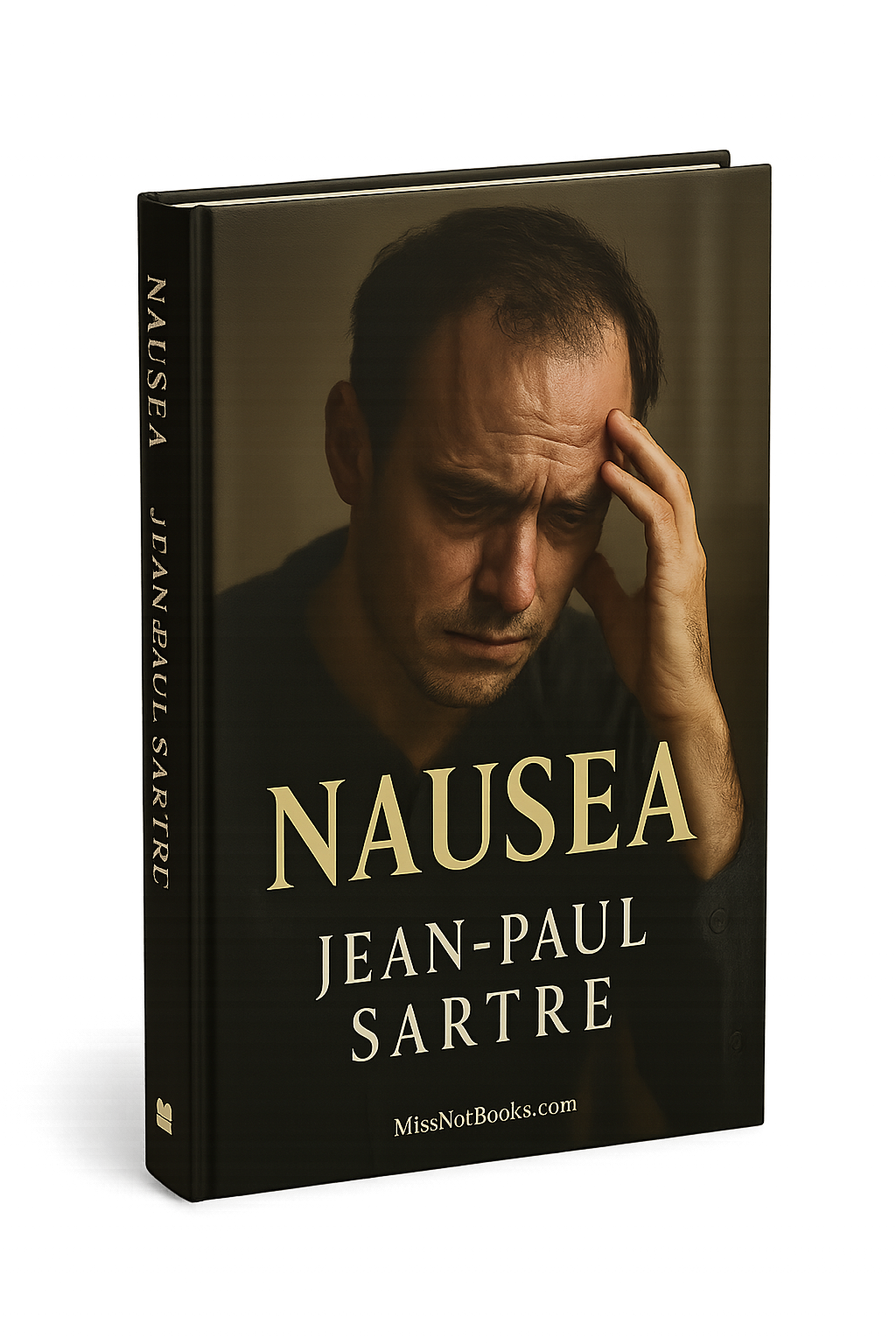
Nausea
In the landscape of modern philosophy and literature, few works resonate with the depth of existential inquiry and the human condition as powerfully as the profound narrative that immerses readers in the visceral experience of existence itself. This book revolutionized our understanding of subjective experience, challenging preconceived notions of reality and the self. It introduced a raw confrontation with the absurdity of life, compelling readers to examine their own existence, autonomy, and the stark truths of human freedom. As an exploration of anxiety, alienation, and meaning, this transformative piece has left an indelible mark on intellectual thought and continues to be a cornerstone in philosophical discourse today. Don’t miss the opportunity to engage with one of the most influential works of all time. Buy it today and explore the depths of human consciousness and existential philosophy.
Core Ideas and Main Arguments
- Existence Precedes Essence: The primary assertion that individuals must define their own meanings and values in a world devoid of inherent purpose.
- Nausea and Alienation: The protagonist’s emotional turmoil symbolizes a broader existential malaise, representing the disconnection many feel in a modern, materialistic society.
- Freedom and Responsibility: A pivotal exploration of the burdens that accompany human freedom, highlighting the weight of personal choice and accountability.
- Subjectivity of Experience: A focus on the deeply personal and often chaotic nature of one's perception and reality, emphasizing the uniqueness of each individual’s experience.
Author’s Intentions and Context
Jean-Paul Sartre crafted this work during a tumultuous time in history, shaped by the realities of World War II and the subsequent existential crisis confronting post-war Europe. His intention was to lay bare the angst and confusion that arose in a world where traditional values were crumbling. Sartre sought to provoke deep reflection about the nature of existence, insisting that individuals must confront their freedom and the accompanying anxiety of choice. This book serves as a response to the absurdity of life, encouraging readers to embrace their own existence and craft meaning through their actions.
Structure of the Book
The narrative unfolds through the introspective soliloquy of its central character, Antoine Roquentin, who grapples with his unbearable awareness of existence. The structure is predominantly divided into:
- Detailed Observations: Roquentin's reactions to his surroundings reveal the essence of his existential crisis.
- Philosophical Reflections: Interspersed throughout are deep, contemplative passages that articulate Sartre’s existential philosophy.
- Culmination of Awareness: As Roquentin's understanding evolves, the latter part of the book encapsulates his confrontation with the absurdity of his own existence, culminating in a profound realization of the need for self-definition.
Key Takeaways
- Recognition of Absurdity: Readers gain insights into the inherent absurdity and unpredictability of life.
- Empowerment through Freedom: Understanding that true freedom is accompanied by responsibility can be liberating yet daunting.
- Self-creation: The book emphasizes the power individuals have to define their own essence through choices and actions.
Why It’s Important to Read
This work remains an essential read for anyone contemplating the complexities of existence and the nature of freedom. Students of philosophy, literature, psychology, and anyone seeking to understand the nuances of human behavior will find value within its pages. It challenges readers to confront uncomfortable truths about themselves and the world, making it not just a philosophical inquiry but a life-altering journey. Moreover, its themes resonate with current societal issues, making it a relevant exploration of identity and consciousness in today's world.
Impactful Quotes and Analysis
- "I have no existence if I do not think of myself." This quote encapsulates the idea that self-awareness is fundamental to existence; it speaks to the central existentialist theme that one's reality is intricately tied to their consciousness and reflections.
- "The more one suffers, the more one is conscious of oneself." This statement highlights the transformative power of pain and suffering, suggesting that adversity can lead to greater self-understanding and existential awareness.
- "Existence is an empty word." Here, Sartre succeeds in unveiling the futility of seeking meaning in the external world, stressing that it is through self-creation that individuals must forge their own significance.
About the Author
Jean-Paul Sartre (1905–1980) was a French existentialist philosopher, playwright, novelist, and political activist. A significant figure in 20th-century philosophy, his contributions extended beyond literature into profound cultural and political thought. Sartre's existentialism has influenced a multitude of fields, advocating for authenticity and individual freedom, and his legacy endures in the ongoing discussions of human existence and consciousness.
This monumental work is Nausea by Jean-Paul Sartre, brought to you for educational purposes by MissNotBooks.com.