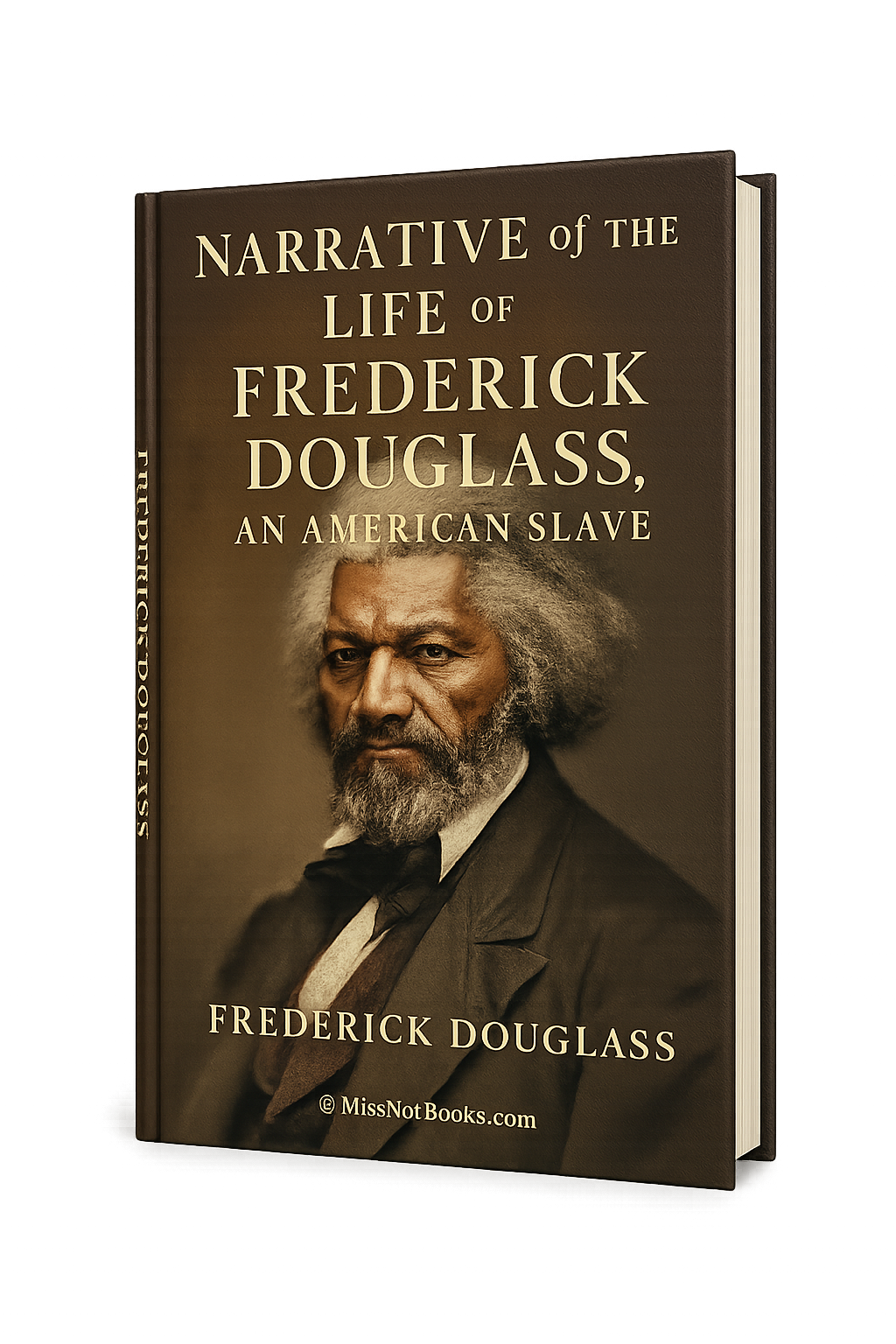
Narrative of the Life of Frederick Douglass, an American Slave
The text you are about to explore is more than just a narrative; it is a powerful testament to the human spirit and an unflinching challenge to the moral and ethical foundations of a society built upon oppression. This work revolutionized the discourse surrounding slavery, civil rights, and the pursuit of freedom, introducing a deeply personal, first-hand account that laid bare the brutal realities faced by enslaved individuals. In doing so, it not only transformed the conversations of its time but also paved the way for future generations to confront and dismantle systemic injustices.
Don’t miss the opportunity to engage with one of the most influential works of all time. Buy it today and explore the foundational principles of equality and justice that continue to resonate in contemporary dialogues around human rights and dignity.
Core Ideas and Main Arguments:
- The inhumanity of slavery: Douglass vividly illustrates the physical and psychological toll of enslavement, challenging readers to confront the barbarism of the system.
- The importance of literacy: He argues that education is a pathway to freedom and empowerment, emphasizing that knowledge can liberate the mind and spirit.
- The hypocrisy of Christianity: Douglass critiques the ways in which religious institutions often justified slavery while claiming to uphold moral values.
- The quest for identity: He explores the struggle for self-identity and dignity in the face of dehumanization, advocating for the recognition of inherent worth in every individual.
Author’s Intentions and Context: Frederick Douglass penned this narrative during a time of great national strife in the United States, amid increasing tensions surrounding slavery in the years leading up to the Civil War. His primary intention was to provide an authentic account of the enslaved experience, countering pro-slavery narratives that sought to portray enslavement as a benign institution. Douglass aimed to raise awareness, inspire change, and galvanize support for the abolitionist movement, challenging both societal norms and the complacency of his audience.
Structure of the Book:
- The narrative is structured chronologically, detailing Douglass’s life from his birth into slavery through his eventual escape to freedom.
- Key sections include:
- His early years in Maryland, where he begins to understand the nature of oppression.
- His transformation through literacy, highlighting pivotal moments of awakening.
- Descriptions of the physical and emotional brutality inflicted by slaveholders.
- His journey to freedom, underscoring the determination and resilience that defined his life.
Key Takeaways:
- The brutal realities of enslaved life must be addressed to understand the depths of human suffering and resistance.
- Education and self-empowerment are crucial tools in the fight against oppression.
- Awareness of moral hypocrisy is necessary for genuine ethical reform.
- The pursuit of freedom is not just a physical journey but a profound internal struggle for dignity and humanity.
Why It’s Important to Read: This work holds immense importance as it not only documents the harrowing experiences of slavery but also serves as a powerful indictment of systemic injustice that persists today. Readers will find value in its historical context, moral lessons, and the call to action it inspires. Activists, students of history, and anyone invested in social justice will benefit immensely from the insights contained within these pages.
Impactful Quotes and Analysis:
- “I know what it is to be a slave; I know what it is to be a man.” This profound declaration encapsulates Douglass’s journey from dehumanization to self-realization, emphasizing the inherent dignity that all humans possess.
- “Education is the most powerful weapon which you can use to change the world.” This reflection underscores the transformative power of knowledge, suggesting that education is essential for social progress and empowerment.
- “The limits of tyrants are prescribed by the endurance of those whom they oppose.” Here, Douglass highlights the dynamic between oppressor and oppressed, asserting that tyranny cannot exist without the complicity of the subjugated.
About the Author: Frederick Douglass (c. 1818–1895) was a former enslaved person who became one of the foremost advocates for abolition and social reform in 19th-century America. His eloquence as a speaker and writer made him a key figure in the abolitionist movement, and he later advocated for women’s suffrage and civil rights. Douglass’s legacy endures as a symbol of resilience and the enduring struggle for freedom and equality.
This monumental work is Narrative of the Life of Frederick Douglass, an American Slave by Frederick Douglass, brought to you for educational purposes by MissNotBooks.com.