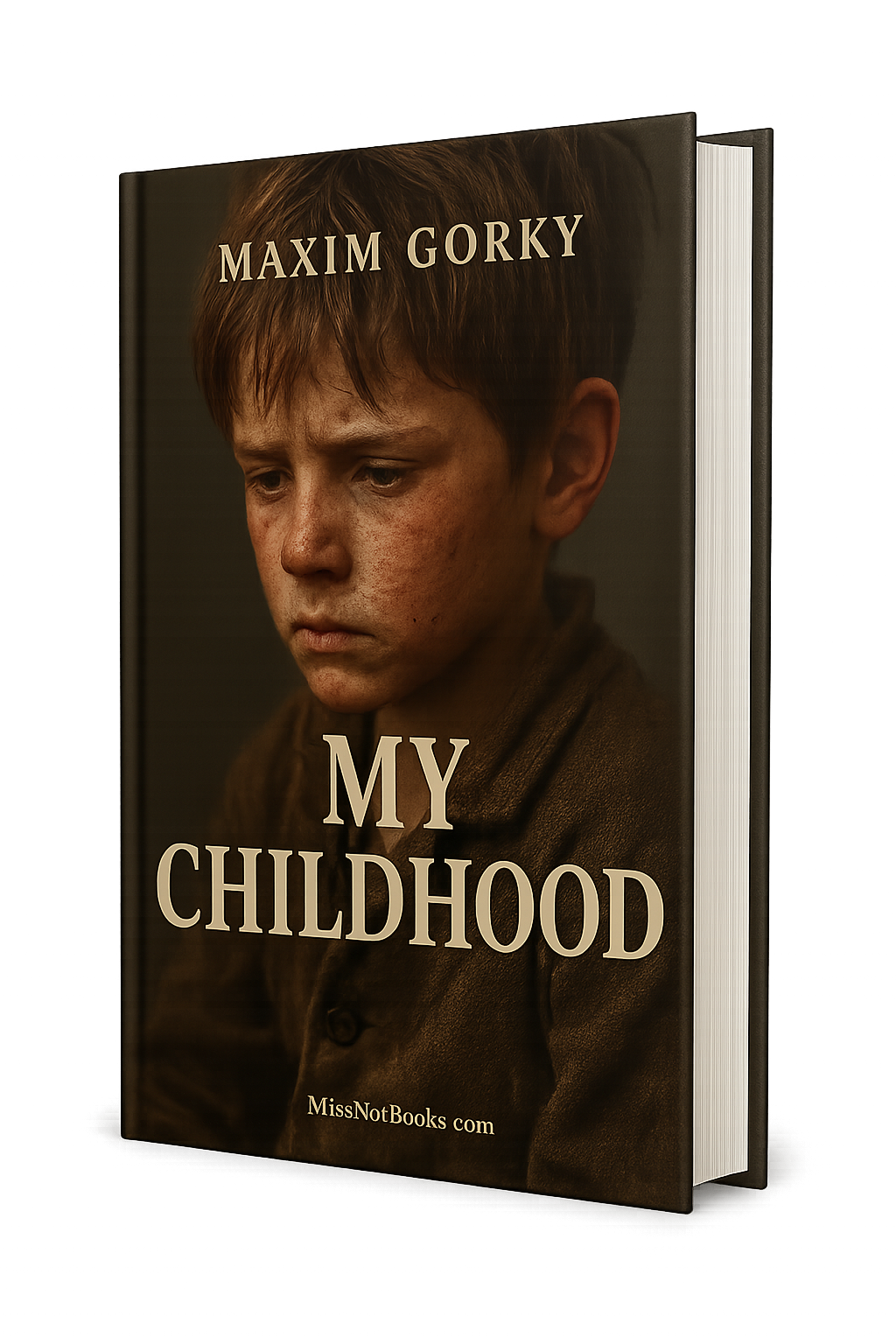
My Childhood
In the realm of literature, few works have had as profound a transformative impact on the narrative of childhood and childhood experience as the one we are about to explore. This book revolutionized the representation of youth, reshaping societal perceptions and artistic portrayals of childhood within the framework of early 20th-century literature. By delving deeply into the complexity of a child's worldview amidst adversity, it challenges conventional notions of innocence and resilience, inviting readers to confront the harsh realities faced by the most vulnerable members of society.
Don’t miss the opportunity to engage with one of the most influential works of all time. Buy it today and explore the depths of human experience through the eyes of a child.
Core Ideas and Main Arguments:
- Childhood as a Source of Strength: The narrative reveals how challenges faced during formative years can forge resilience and self-awareness.
- Social Critique: The book presents a stark commentary on the social injustices of the time, depicting the harsh realities of poverty and oppression that shaped childhood experiences.
- Memory and Transformation: By reflecting on past experiences, the author illustrates how memory serves as a transformative tool, allowing individuals to reclaim their narratives.
- The Role of Nature: Emphasizing the connection between children and the natural world, the book portrays nature as both a refuge and a source of inspiration.
Author’s Intentions and Context:
The author set out to authentically portray the trials and tribulations of his early life in a society rife with disparity and hardship. The book emerges from a time when the voice of the proletariat was being increasingly marginalized; thus, it sought to shed light on their stories, especially those of children, who were often overlooked. Gorky aimed to evoke empathy and raise awareness about the social conditions of the disenfranchised, using the power of narrative to challenge prevailing social norms and inspire change.
Structure of the Book:
The book is organized into a series of interconnected vignettes, each capturing a key moment or theme in the author’s youth.
- Early Memories: The opening chapters depict the innocence and wonder of childhood, setting a stark contrast with later experiences.
- Family Dynamics: The exploration of family life reveals the complexities of relationships fraught with conflict and love.
- Societal Observations: Midway through, the author shifts focus to broader societal themes, emphasizing the hardships faced by the working class.
- Personal Growth: The latter sections reflect on self-discovery and resilience, culminating in moments of clarity and understanding.
Key Takeaways:
- The complexity of childhood is enriched by the interplay of joy and suffering.
- Understanding the social context of a child's life is crucial to appreciating their narrative.
- Resilience and growth can emerge from the harshest circumstances.
- The transformative power of memory is a central theme that resonates throughout the work.
Why It’s Important to Read:
This work maintains its relevance today, offering insights into the universal experience of childhood across different cultures and eras. It serves as a reminder of the challenges faced by those on the margins, making it essential for educators, social workers, and anyone invested in childhood advocacy. Readers regardless of age can benefit from its rich narrative, which challenges them to rethink their perspectives on innocence, experience, and the societal structures surrounding them.
Impactful Quotes and Analysis:
-
“The childhood of a man, the beginning of a man’s spirit, is the most precious period of all.”
This quote encapsulates the essence of the book, emphasizing that the formative years are where one's character is built, highlighting the importance of nurturing vulnerable childhoods. -
“We must love life, and even if it is painful, we must not lose heart in the face of its trials.”
With this powerful sentiment, Gorky urges readers to embrace life's challenges with resilience, reflecting the strength and tenacity required to navigate hardship. -
“Memory is the key that unlocks the door to the past.”
Here, the author underscores the idea that memory not only shapes individual identity but also serves as a vehicle for understanding one’s position in the world.
About the Author:
Maxim Gorky (1868-1936), born Aleksei Maximovich Peshkov, was a prominent Russian writer and political activist known for his seminal contributions to socialist realism in literature. His early life experiences in poverty and persecution deeply informed his writing, which often focused on themes of social justice and the struggles of the downtrodden. Gorky's legacy endures not only through his works but also through his commitment to using literature as a means of social change and advocacy for the oppressed.
This monumental work is My Childhood by Maxim Gorky, brought to you for educational purposes by MissNotBooks.com.